8 Benefits of Timely Foundation Repair
You’re washing dishes after dinner when you notice it – that hairline crack running along the wall above your kitchen sink. It wasn’t there last month, was it? You pause, sponge dripping, and really look at it. Maybe it’s just the house settling, you tell yourself. Maybe it’s nothing.
But deep down, you know it’s something.
That little voice in your head – the one that whispers about expensive repairs and contractor bills – starts getting louder. You’ve seen enough home renovation shows to know that foundation issues aren’t exactly the fun kind of project that ends with dramatic reveals and happy tears. They’re more like… well, they’re more like finding out you need a root canal when you just wanted a teeth cleaning.
Here’s the thing though: I get it. Really get it. The instinct to look the other way, to hope that crack will somehow heal itself or at least stay put until you’ve saved up enough money to deal with it properly. We’ve all been there – standing in our homes, staring at signs we don’t want to see, calculating how much ignoring the problem might save us in the short term.
But here’s what I’ve learned after years of watching homeowners navigate these exact situations… and trust me, I’ve seen it all. From tiny stress fractures that seemed innocent enough to foundation failures that turned dream homes into money pits. The difference between a manageable repair and a financial nightmare? Usually just timing.
You know how they say an ounce of prevention is worth a pound of cure? When it comes to your foundation, it’s more like an ounce of prevention is worth about twenty pounds of cure – and a whole lot of sleepless nights wondering if your house is literally falling down around you.
That crack above your sink? Those doors that stick a little more each month? The way your floors seem slightly… off… in certain rooms? They’re not just cosmetic annoyances. They’re your house trying to tell you something important. And honestly, the sooner you listen, the better off you’ll be – financially, emotionally, and practically.
I know foundation repair isn’t exactly the most exciting topic. It’s not like picking out new paint colors or designing your dream kitchen backsplash. But stick with me here, because understanding what timely foundation repair can do for you might actually save you from having to choose between fixing your house and taking that vacation you’ve been planning.
The truth is, there are some pretty compelling reasons why addressing foundation issues sooner rather than later isn’t just smart – it’s actually kind of brilliant. We’re talking about benefits that go way beyond just “keeping your house from falling down” (though that’s obviously important too).
Think about it: your foundation is literally holding up everything else in your home. Every wall, every floor, every ceiling – it all depends on that concrete base doing its job properly. When it’s not? Well, that’s when things get complicated fast. And expensive. Really, really expensive.
But when you catch problems early and deal with them promptly? That’s when some pretty amazing things happen. You’ll save money – often thousands of dollars. You’ll protect your home’s value. You’ll sleep better at night knowing your biggest investment is secure. And honestly, you might even discover that the repair process isn’t nearly as disruptive or overwhelming as you imagined.
Over the next few minutes, I’m going to walk you through eight specific benefits of addressing foundation issues quickly. Some of these might surprise you – I know they surprised me when I first started learning about this stuff. We’ll talk about everything from the obvious financial advantages to some unexpected perks you probably haven’t considered.
Because here’s what I’ve realized: knowledge really is power, especially when it comes to protecting your home. The more you understand about why timing matters with foundation repairs, the better equipped you’ll be to make smart decisions about your own situation. Whether you’re dealing with that crack above the sink or just want to be prepared for the future, you’ll know exactly what you’re looking at and why it matters.
So let’s dive into why being proactive about your foundation isn’t just smart homeownership – it’s one of the best investments you can make.
What Actually Happens When Your Foundation Gets Cranky
Think of your foundation like the friend who never complains – until one day they absolutely explode. For months (or years), tiny shifts have been happening underground. Maybe the soil’s been getting too wet, then too dry. Maybe tree roots are playing an underground game of Jenga with your house’s support system.
Your foundation doesn’t just crack overnight because it’s bored. There’s usually a whole soap opera happening beneath your feet – clay soil that swells and shrinks like a moody teenager, poor drainage that’s been quietly plotting against you, or settling that happens so gradually you don’t notice… until you do.
The tricky thing? By the time you see obvious signs – those hairline cracks in your drywall, doors that suddenly don’t want to close properly, or floors that seem to have developed their own personality – the problem’s often been brewing for a while. It’s like noticing your jeans are tight after months of “just one more cookie.”
The Domino Effect Nobody Talks About
Here’s where it gets interesting (and honestly, a little scary). Foundation problems don’t stay foundation problems. They’re like that one gossipy neighbor who can’t keep anything to themselves – they spread the drama everywhere.
When your foundation shifts even slightly, it’s basically playing a very expensive game of telephone with the rest of your house. The floors start whispering to the walls, the walls start arguing with the ceiling, and before you know it, your entire house is having structural relationship issues.
You might notice windows that stick (because the frame’s been squeezed like a tube of toothpaste), or cracks that seem to appear overnight in places you swear were fine yesterday. Sometimes the garage door stops closing properly, or – and this one’s particularly annoying – your kitchen cabinets suddenly have gaps that collect mysterious crumbs.
Why “Wait and See” Usually Backfires
We’re all guilty of the “maybe it’ll fix itself” approach sometimes. I mean, who hasn’t hoped that weird noise in their car would just… stop happening? But with foundations, playing the waiting game is like ignoring a small leak in your roof because it’s only dripping into a bucket.
The thing about foundation issues is they’re surprisingly patient. They’ll wait. They’ll let you convince yourself it’s no big deal. And while you’re busy pretending everything’s fine, they’re busy getting worse – and more expensive to fix.
What starts as a $3,000 repair can easily become a $15,000+ nightmare if you give it enough time to really settle in (pun intended). It’s not that the foundation is being vindictive… it’s just physics. And physics doesn’t care about your budget or your timing preferences.
The Sneaky Connection to Everything Else
This might sound weird, but your foundation affects things you’d never expect. Like your HVAC system – seriously. When your house shifts, it can mess with ductwork connections, making your heating and cooling system work harder than it should. Suddenly you’re wondering why your energy bills are creeping up.
Or plumbing. Foundation movement can stress pipes in ways they weren’t designed for, leading to leaks in places that are expensive to reach. And don’t get me started on how foundation issues can affect your home’s value… actually, let me get started on that, because it’s important.
The Real Estate Reality Check
Here’s something that might keep you up at night: foundation problems are like having bad breath on a first date – they’re deal-breakers that are hard to hide. Potential buyers (and their inspectors) are trained to spot foundation red flags from a mile away.
Even if you think you’ve hidden the evidence well, buyers today are savvy. They know what to look for, and they’re not shy about walking away or demanding significant price reductions. And honestly? They should be cautious. Nobody wants to inherit someone else’s foundation headaches.
The good news – and yes, there is good news – is that properly repaired foundations actually add credibility to your home. It shows you’re the kind of owner who takes care of problems instead of passing them along like an unwanted chain letter.
When to Call the Pros (And When You’re Just Being Paranoid)
Look, I get it. Every little crack feels like your house is about to collapse into a sinkhole. But here’s the thing – not every foundation issue needs immediate panic mode. You’ll save yourself both money and stress by learning the difference between “call someone tomorrow” and “call someone right now.”
Immediate red flags: Doors that suddenly won’t close, windows that stick like they’re glued shut, or cracks wider than a quarter-inch. If you can slide a coin into a crack, that’s your cue. Also – and this might sound weird – trust your nose. A musty smell that wasn’t there before often means water’s getting where it shouldn’t.
On the flip side, hairline cracks that haven’t changed in months? Those tiny settling marks near corners? Yeah, those can probably wait until you’ve got your other home priorities sorted.
The Secret to Getting Accurate Repair Quotes
Most homeowners make this mistake: they call one company, get a quote, and either panic at the price or jump on it immediately. Don’t be that person.
Here’s what the smart folks do – get at least three quotes, but here’s the key part… ask each contractor to walk you through their assessment process. The good ones will spend time explaining what they’re seeing, not just throwing numbers at you. They’ll use words you actually understand instead of technical jargon designed to make you feel helpless.
And here’s a little insider secret: ask about their warranty. A contractor who stands behind their work for 10+ years? That tells you everything about their confidence in the job they’ll do. Someone offering a 1-year warranty is basically admitting they’re not sure it’ll last.
Timing Your Repairs Like a Pro
This is where most people mess up – they either wait too long or rush into repairs at the worst possible time. Spring and fall are your sweet spots for foundation work. The ground moisture is more stable, and contractors aren’t dealing with frozen soil or sweltering heat.
But honestly? If you’ve got active settling or water issues, don’t wait for perfect weather. Foundation problems are like that weird noise your car makes – ignoring it doesn’t make it cheaper to fix later.
Pro tip: if you’re planning other major home improvements, tackle foundation issues first. Nothing’s more frustrating than beautiful new hardwood floors that buckle because you didn’t address the underlying foundation settlement.
Preparing Your Home (And Your Sanity) for Repair Work
Foundation repair isn’t exactly a quiet, tidy process. Think of it more like… controlled chaos in your backyard. Here’s how to make it bearable
Before they arrive: Move everything away from your foundation walls – and I mean everything. Plants, decorations, that random pile of stuff you’ve been meaning to organize. The crews need clear access, and trust me, you don’t want your prize roses getting bulldozed.
Protect your indoor space: Cover furniture near exterior walls with plastic sheets. Foundation work creates vibrations, and that antique vase your grandmother left you? It might not appreciate the shake-up.
Set realistic expectations: A typical foundation repair takes 1-3 days, but weather can stretch that timeline. Don’t schedule your housewarming party for the weekend after repair work starts.
The Follow-Up Game That Everyone Ignores
Here’s where most people drop the ball completely. The work’s done, the crew’s gone, and you think you’re finished. Wrong.
Your foundation needs time to settle after repairs – kind of like letting a cake cool before you frost it. Take photos of your walls, doors, and windows about a month after completion. This creates a baseline for monitoring any changes.
The 6-month check: Walk around your house with fresh eyes. Are those doors still closing smoothly? Any new cracks appearing? Most reputable contractors will do a follow-up inspection, but you shouldn’t rely on them to catch everything.
And here’s something nobody tells you – keep detailed records. Photos, invoices, warranty information, even notes about what the weather was like during repairs. If issues pop up later, this documentation is gold.
The reality is, foundation repair isn’t just about fixing today’s problem – it’s about preventing tomorrow’s headaches. When you approach it with the right timing, proper preparation, and realistic expectations, you’re not just maintaining your home… you’re protecting your peace of mind.
When Money Gets Tight – Let’s Talk Real Numbers
Look, I’m not going to sugarcoat this – foundation repair isn’t cheap. You’re probably looking at anywhere from $4,000 to $15,000, and that’s enough to make anyone’s stomach drop. I’ve seen people put off repairs for years because they’re hoping the problem will just… disappear?
Here’s what actually works: Start with a payment plan. Most reputable contractors offer financing – sometimes even 0% interest for qualified buyers. Also, check if your insurance covers any portion (hint: if the damage is from a sudden event like a burst pipe, you might be covered). And honestly? Getting three quotes isn’t just smart, it’s essential. Prices can vary wildly, and you want to make sure you’re not getting taken for a ride.
The Contractor Nightmare – Finding Someone You Can Actually Trust
This one keeps me up at night on behalf of homeowners. The foundation repair industry has its share of… well, let’s call them “questionable” operators. You know the type – they knock on your door after a storm, quote you an astronomical price, then demand payment upfront.
Here’s your defense strategy: Always – and I mean always – check licensing and insurance. Ask for local references, not just testimonials on their website. A good contractor will happily give you addresses of recent jobs (with permission) so you can drive by and see the work. Also, be wary of anyone who won’t explain their process or tries to rush you into signing. Good foundation work takes time to plan properly.
Actually, that reminds me – get everything in writing. I can’t stress this enough. The scope of work, materials used, timeline, cleanup responsibilities… all of it.
Living Through the Chaos (Because Yes, It’s Going to Be Messy)
Nobody warns you about the dust. Or the noise. Or the fact that your landscaping might look like a construction zone for weeks. Foundation repair is invasive work – there’s just no way around it.
The solution isn’t to grit your teeth and suffer through it (though some of that’s inevitable). Plan ahead. If you have young kids or elderly family members, maybe arrange alternative accommodations during the heaviest work days. Protect your belongings – dust gets everywhere, and I mean everywhere.
Set realistic expectations with your contractor about daily schedules. Most work between 7 AM and 6 PM, but confirm this upfront. And here’s a pro tip: establish a communication protocol. You want daily check-ins, not radio silence followed by unpleasant surprises.
The Waiting Game – Dealing with Delays and Weather Issues
Foundation work is weather-dependent, which means delays are practically guaranteed. Rain, extreme heat, freezing temperatures – they all throw wrenches into the schedule. And concrete needs time to cure properly, so rushing isn’t an option even when the weather cooperates.
The key is building buffer time into your expectations from the start. If your contractor says three weeks, mentally prepare for five. This isn’t pessimism – it’s realistic planning that’ll save your sanity. Also, understand that quality work can’t be rushed. Would you rather have a job done right in five weeks or done poorly in three?
When Your Foundation Issues Keep Coming Back
Sometimes repairs don’t hold. Maybe the underlying cause wasn’t properly addressed, or the soil conditions are more challenging than initially thought. This is incredibly frustrating – you’ve spent thousands of dollars, endured weeks of disruption, and now you’re back to square one.
First, check your warranty. Most reputable contractors offer substantial warranties on their work – often 10-25 years. Don’t be shy about using it. Second, this might be the time to call in a structural engineer for an independent assessment. Yes, it’s an additional cost, but it could save you from throwing good money after bad.
The Emotional Toll Nobody Talks About
Let’s be honest – foundation problems are scary. They mess with your sense of security, both financial and physical. Your home is supposed to be your safe haven, and suddenly you’re questioning its stability. That stress is real and valid.
Don’t try to handle this alone. Lean on friends, family, or even online communities of homeowners who’ve been through similar experiences. Sometimes just knowing you’re not the first person to face this challenge makes all the difference. And remember – foundation problems are solvable. It might take time and money, but you will get through this.
What to Expect During the Repair Process
Let’s be honest – foundation repair isn’t exactly a weekend project. Most homeowners expect it to be faster than it actually is, and then they’re frustrated when reality sets in. A typical foundation repair job takes anywhere from 3-10 days, depending on the scope of work. Simple pier installations might wrap up in a few days, while extensive underpinning or drainage solutions… well, that’s more like a week or two.
The weather plays a bigger role than you’d think. Rain delays are common (you can’t pour concrete in a downpour), and extreme heat can affect curing times. Your contractor should explain this upfront, but many don’t. That’s why it’s smart to ask about weather contingencies when you’re getting quotes.
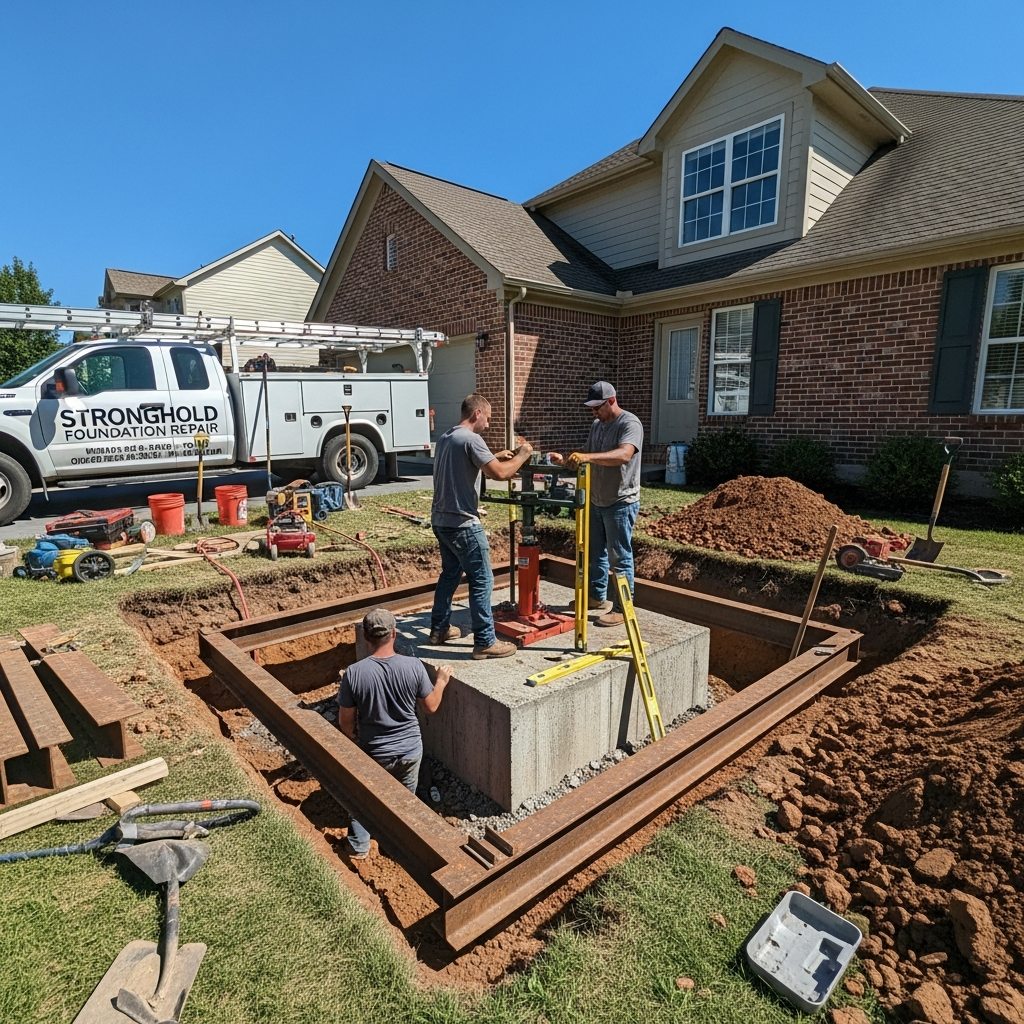
You’ll also need to prepare for some disruption. The crew will likely need access to multiple areas around your home’s perimeter, and there might be some excavation involved. Think of it like having house guests… except they’re bringing heavy machinery and creating temporary chaos in your yard. Most reputable contractors will walk you through exactly what to expect – and if they don’t volunteer this information, that’s a red flag.
The Reality of Costs and Financing
Foundation repair costs vary wildly – from a few thousand for minor settling issues to $15,000 or more for major structural work. I know… that’s not the number you wanted to hear. But here’s the thing: trying to save money by going with the cheapest bid often backfires spectacularly.
What drives the cost up? Soil conditions (clay soil is particularly challenging), the extent of damage, accessibility around your home, and the specific repair method needed. If your house sits on a steep slope or has limited access for equipment, expect to pay more. It’s like trying to deliver a refrigerator to a third-floor apartment – technically possible, but it’s going to cost extra.
Most quality contractors offer financing options because, frankly, they know foundation repair isn’t usually a planned expense. Some even work with third-party lenders who specialize in home repairs. Just… read the fine print carefully. A 0% interest deal might sound great until you realize it balloons to 24% if you don’t pay it off in exactly 12 months.
Choosing the Right Contractor
This is where things get tricky. The foundation repair industry has more than its share of questionable operators – from high-pressure door-to-door salespeople to companies that disappear after cashing your check.
Start with local companies that have been around for at least five years. Check their Better Business Bureau rating, but also look at recent Google reviews (not just the starred rating – actually read what people wrote). Pay attention to how they respond to negative reviews… that tells you a lot about their character.
A good contractor will provide a detailed written estimate that breaks down materials and labor costs. They should also explain exactly what warranty coverage you’re getting. Some companies offer lifetime warranties, others provide 10-25 years. The length matters, but so does the company’s stability – a lifetime warranty from a fly-by-night operation isn’t worth much.
Living with the Work in Progress
During active repairs, you might notice some interesting side effects. Doors that were sticking might suddenly close properly, or conversely, doors that worked fine might start binding as things shift into their new positions. This is completely normal – your house is literally finding its new equilibrium.
You might also hear some settling noises for a few weeks after completion. Think of it like your house is stretching and getting comfortable in its improved foundation. Unless you see new cracks appearing or doors suddenly won’t close, these sounds are just part of the adjustment process.
Moving Forward After Repairs
Once the work’s done, you’re not quite finished. Most contractors will schedule a follow-up inspection after 30-60 days to check that everything’s settling properly. This isn’t just good customer service – it’s their chance to catch any issues while they’re still under warranty.
Keep all your paperwork in one place. Take photos of the completed work. And honestly? Set a calendar reminder to check your foundation annually. Not because you expect problems, but because catching issues early makes everything easier and less expensive down the road. It’s like going to the dentist for cleanings – prevention beats emergency repairs every single time.
You know what? Taking care of your home’s foundation isn’t just about avoiding disaster – though that’s certainly part of it. It’s about giving yourself permission to feel secure in the place where you build your memories, raise your family, and simply… breathe.
We’ve all been there, haven’t we? Walking past that crack for the thousandth time, promising ourselves we’ll “deal with it next month.” But here’s the thing – your gut instinct about foundation problems is usually spot-on. That nagging feeling that something’s not quite right? Trust it.
Your Home Deserves This Investment
Think about it this way: you wouldn’t ignore chest pains or persistent headaches when it comes to your health. Your home’s foundation is basically its vital signs. When you address issues early, you’re not just fixing problems – you’re investing in peace of mind, protecting your family’s safety, and honestly… saving yourself from those 3 AM worry sessions about what that new crack might mean.
The beautiful thing about tackling foundation work sooner rather than later is how it ripples outward. Your energy bills drop. Those doors that never quite fit right suddenly close properly. The floors feel solid under your feet again. It’s like your whole house takes a deep breath and settles into being the sanctuary it’s meant to be.
You’re Not Alone in This
Here’s what I want you to know – feeling overwhelmed by foundation concerns is completely normal. Most of us didn’t grow up learning about soil composition and structural integrity over Sunday dinner. That’s exactly why getting professional guidance isn’t just smart, it’s necessary.
The right foundation specialist won’t make you feel foolish for waiting, or overwhelmed you with technical jargon you don’t need. They should explain things clearly, answer your questions patiently (even the ones you think might be obvious), and help you understand your options without pressure.
Actually, that reminds me of something important… not all foundation companies are created equal. You want someone who sees your home as more than just another job. Someone who understands that this is where you’ve built your life.
Taking the Next Step
If you’ve been putting off that foundation evaluation – or if you’re dealing with new concerns – consider this your gentle nudge. You deserve to feel confident in your home’s stability. Your family deserves that security too.
Reaching out for a professional assessment doesn’t commit you to anything except getting answers. Think of it like a health checkup for your house. Sometimes you’ll get great news – those cracks might be purely cosmetic. Other times, you’ll catch something early enough to handle it before it becomes a real headache.
Whatever you’re facing with your foundation, you don’t have to figure it out alone. A good foundation specialist will walk you through everything, explain your options clearly, and help you make the best decision for your home and budget.
Your house has been taking care of you – now it’s time to take care of it. And honestly? Future you will thank present you for not waiting any longer.