7 Warning Signs of Foundation Damage in Dallas Homes
You’re standing in your kitchen, making your morning coffee, when you notice it – that hairline crack running along the wall near your breakfast nook. Wasn’t there yesterday… or was it? You run your finger along it, thinking maybe it’s just the paint settling. But there’s that nagging voice in the back of your head whispering what every Dallas homeowner dreads: *foundation problems*.
Sound familiar?
Here’s the thing about foundation issues in Dallas – they’re not dramatic Hollywood disasters where your house suddenly splits in two. Nope, they’re sneaky little troublemakers that show up gradually, disguised as “minor settling” or “just the house getting older.” And by the time you realize what’s really happening… well, let’s just say your wallet won’t be happy about the delay.
I’ve lived in Dallas long enough to know that our unique clay soil doesn’t mess around. One week it’s bone dry and shrinking away from your foundation like it’s trying to escape, the next week we get a surprise thunderstorm and that same soil swells up like a sponge that’s been dunked in water. Your foundation? It’s stuck in the middle of this constant push-and-pull, expanding and contracting like it’s doing some sort of geological yoga routine it never signed up for.
But here’s what really gets me – and maybe you can relate to this – we’re all so busy with life that we become blind to the subtle changes happening right under our noses. That door that’s been sticking a little more each month? The crack in the drywall that you keep meaning to patch but somehow keeps getting longer? These aren’t just cosmetic annoyances that you can slap some caulk on and forget about.
They’re your house trying to tell you something important.
The truth is, catching foundation problems early isn’t just about avoiding a massive repair bill (though trust me, that’s motivation enough). It’s about protecting what’s probably your biggest investment… and honestly, your peace of mind. There’s nothing quite like the sinking feeling – pun intended – of realizing that what you thought was a small cosmetic issue is actually a symptom of something much bigger brewing beneath your feet.
And let’s be real about Dallas real estate for a minute. You know how competitive this market can be, right? If you’re ever thinking about selling, foundation issues are like kryptonite to potential buyers. Even if the problems are totally fixable, the mere mention of foundation concerns can send people running faster than you can say “structural engineer.”
Actually, that reminds me of my neighbor down the street… she ignored some warning signs for about two years, convinced she was just being paranoid. When she finally called in a professional, what could have been a $3,000 repair had turned into a $15,000 nightmare. The contractor told her that if she’d caught it eighteen months earlier… well, you can imagine how that conversation went.
But here’s the good news – and why I wanted to share this with you. Foundation problems don’t just appear overnight, which means you have time to catch them if you know what to look for. The key is understanding the difference between normal settling (which every house does) and the warning signs that something more serious is developing.
In the next few minutes, we’re going to walk through the seven most common warning signs that Dallas homeowners should never ignore. Some of them might surprise you – they’re not all dramatic cracks and sinking floors. We’ll talk about the subtle stuff too, like why your windows might be getting harder to close or why there’s suddenly a gap where your baseboard used to meet the wall perfectly.
Most importantly, we’ll cover what each sign actually means, when you should be concerned versus when it’s probably just normal house behavior, and – perhaps most crucially – what steps you should take if you spot these red flags in your own home.
Because the sooner you catch potential foundation issues, the more options you’ll have… and the more money you’ll keep in your pocket where it belongs.
Why Dallas Foundations Face Unique Challenges
Living in Dallas is a bit like owning a car that runs perfectly… until you hit that one pothole that changes everything. Your home’s foundation deals with similar unexpected stresses, and honestly? The soil here doesn’t make it easy.
You’ve probably heard neighbors complain about foundation issues, and there’s a reason it comes up at every block party. Dallas sits on what engineers politely call “expansive clay soil” – though I think “moody teenager soil” might be more accurate. This clay swells when it gets wet and shrinks when it dries out, kind of like a sponge that can’t make up its mind.
During those scorching Texas summers, the clay contracts and pulls away from your foundation. Then – surprise! – a thunderstorm rolls through, and suddenly that same soil expands like it’s trying to give your house an unwanted bear hug. This constant push-and-pull creates pressure that even the best-built foundations struggle with over time.
The Foundation Types You’ll Find Around Here
Most Dallas homes sit on one of three foundation types, and each has its own personality quirks.
Slab foundations are probably what you’re familiar with – a thick concrete pad that your entire house rests on. Think of it as a massive concrete raft floating on our unpredictable soil. They’re popular because they’re relatively affordable and work well in our climate… most of the time. The downside? When they develop problems, you can’t exactly crawl underneath to take a look.
Pier and beam foundations (sometimes called raised foundations) lift your home off the ground using concrete piers or wooden posts. It’s like putting your house on stilts – you get a crawl space underneath, which makes repairs easier but also creates more opportunities for things to shift or settle unevenly.
Basement foundations are the rare unicorns of Dallas real estate. You’ll find them occasionally, but they’re not common here. The clay soil makes basements… well, let’s just say it’s complicated and expensive.
How Weather Becomes Your Foundation’s Biggest Enemy
Here’s something that might seem backward at first – both drought and excessive rain can damage your foundation. I know, I know… it feels like your foundation just can’t win, right?
During drought periods (and we’ve had some doozies), the soil shrinks away from your foundation walls. This creates gaps and removes the support your foundation was designed to have. It’s like pulling the rug out from under someone, except the rug is dirt and the someone is your entire house.
Then comes the flip side. When we finally get rain – especially those gully-washer storms that seem to dump a month’s worth of water in an afternoon – the clay soil expands rapidly. This puts enormous pressure on foundation walls that were just dealing with the opposite problem a few weeks earlier.
The really tricky part? This cycle happens year after year, and concrete doesn’t bounce back the way we’d hope it would. Each cycle creates tiny stresses that add up over time… kind of like how repeatedly bending a paper clip eventually makes it snap.
The Underground Drama You Can’t See
Most foundation problems start where you can’t see them – in the soil beneath and around your home. Water is usually the culprit, but not always in ways you’d expect.
Poor drainage around your home means water sits where it shouldn’t, softening the soil and creating uneven support. On the flip side, if water drains away too quickly in some areas, you get uneven drying and shrinkage. It’s like trying to balance on a mattress where half the springs are broken – everything starts shifting toward the weak spots.
Tree roots add another layer of complexity. Those beautiful mature oaks that make Dallas neighborhoods so charming? They’re also incredibly thirsty and can pull moisture from the soil around your foundation, creating dry zones that lead to settling.
What makes this particularly challenging is that foundation problems don’t announce themselves with sirens and flashing lights. They develop slowly, quietly, often over months or even years. By the time you notice that door that suddenly won’t close properly or that new crack in the wall… well, the underground drama has probably been going on for a while.
The good news? Once you know what to look for, foundations are actually pretty good at telling you when something’s wrong. You just need to know how to listen.
When to Call in the Professionals (And When You Can Wait)
Look, I get it – nobody wants to hear they need foundation work. It’s like being told you need root canal surgery… on your house. But here’s the thing: timing can save you thousands of dollars.
If you’re seeing active movement – cracks that are growing, doors that worked fine last month but won’t close now, or windows suddenly sticking – don’t wait. Foundation problems are like that friend who “just needs to crash for a few days” and ends up staying six months. They don’t get better on their own.
On the flip side, hairline cracks that haven’t changed in years? Those little cosmetic issues around windows that your contractor mentioned during your last renovation? You can probably monitor those for a while. Just take photos with your phone every few months – date them so you can track any changes.
The $50 Foundation Inspection You Can Do Right Now
Grab a level from your garage (or borrow one from a neighbor) and walk through your house methodically. Place it against walls, on windowsills, across door frames. You’re looking for obvious slopes or dips.
Pay special attention to the corners of rooms – foundation issues often show up there first. That slightly slanted baseboard you’ve been ignoring? It might be trying to tell you something.
Here’s a trick most people don’t know: use a marble or small ball. Roll it across your floors in different rooms. If it consistently rolls toward one wall or corner, that’s worth investigating. Your foundation might be settling unevenly.
Documentation That Actually Helps (Not Just Pretty Pictures)
When you find something concerning, don’t just snap a quick photo and forget about it. Get systematic about this – your future self will thank you.
Take pictures with something for scale… a quarter, a pen, your hand. Crack width matters, and “about yay big” doesn’t help anyone six months later. Include the date and location in each photo.
Keep a simple log – even in your phone’s notes app. “North bedroom window – crack appeared around March 2024, hasn’t grown much but door starting to stick.” This timeline becomes crucial if you need professional help later.
The Insurance Conversation Nobody Wants to Have
Most standard homeowner’s policies don’t cover foundation damage from settling or normal wear. But – and this is important – they might cover damage from sudden plumbing leaks or other covered perils.
Before you file a claim, though, call your agent and have a hypothetical conversation. “Hey, if I had some foundation cracking, what would be covered?” You don’t want to create a record of problems before you understand your coverage.
Some policies have specific exclusions for earth movement, but others might surprise you. And if you’re in an area with expansive clay soil (hello, most of Dallas), you might want to look into additional coverage specifically for foundation issues.
Finding Contractors Who Won’t Rob You Blind
The foundation repair industry… well, let’s just say it attracts some characters. Here’s how to separate the good guys from the ones who see dollar signs the moment they pull into your driveway.
Get multiple quotes – at least three. But here’s the secret: don’t just compare bottom-line prices. Look at their proposed solutions. If one company suggests underpinning with steel piers while another recommends concrete, ask why. The best contractors will explain their reasoning without making you feel stupid.
Check Better Business Bureau ratings, sure, but also drive around and look for their yard signs. A company that’s been working in your neighborhood for years is usually a safer bet than the one with the flashy truck and no local references.
Prevention That Actually Works (Beyond the Basic Stuff)
Everyone tells you to keep consistent moisture around your foundation – water when it’s dry, ensure drainage when it’s wet. That’s good advice, but here’s what they don’t mention: timing matters.
Water deeply but less frequently. Think of it like watering a garden – you want the moisture to penetrate, not just wet the surface. A soaker hose on a timer can be your best friend here.
Watch your trees. Those beautiful old oaks that make your property so charming? Their roots can extend way beyond the canopy, potentially affecting your foundation. You don’t need to cut them down, but be aware of their impact during drought years.
And here’s something most people miss: pay attention to your gutters and downspouts after every major storm. A clogged gutter dumps water right against your foundation – exactly where you don’t want it.
The “It’s Just Old House Settling” Trap
Here’s the thing about foundation problems – they’re sneaky. Really sneaky. Most homeowners I talk to have been living with warning signs for months, sometimes years, before they realize something’s actually wrong. And honestly? I get it. When you’re dealing with a creaky 1950s ranch in Lake Highlands or a pier-and-beam in East Dallas, it’s tempting to blame everything on “character.”
The biggest challenge? Distinguishing between normal settling and actual foundation damage. Yes, houses settle – especially here in Dallas where our clay soil expands and contracts like it’s doing yoga. But there’s a difference between minor cosmetic cracks and structural red flags that’ll cost you serious money down the line.
Here’s what trips people up: hairline cracks in drywall are usually fine. Cracks you can stick a quarter into? Not so much. Door frames that are slightly off? Probably okay. Doors that won’t close at all or gaps you can see daylight through? Time to call someone.
The Overwhelming Expert Shopping Dilemma
Let’s be real – finding the right foundation contractor in Dallas feels like navigating a minefield blindfolded. You’ve got companies that’ll quote you $30,000 for pier installation, others saying it’s just a $500 drainage issue. One guy tells you your house is falling down, another says it’s totally fine.
The solution isn’t to get more quotes (though three is a good number). It’s to get the right kind of evaluation first. Start with a structural engineer – yes, it costs a few hundred bucks, but they don’t sell foundation repairs. They just tell you what’s wrong. Think of it as buying peace of mind… or confirmation that you need to act fast.
Also, and this might sound obvious, but check references. Not just the ones they give you – actual neighbors, online reviews, Better Business Bureau complaints. Dallas has some fantastic foundation companies, but we’ve also got our share of fly-by-night operations that’ll take your money and leave you with bigger problems.
When Insurance Becomes Your Frenemy
Insurance coverage for foundation issues in Texas is… complicated. And by complicated, I mean potentially heartbreaking if you don’t understand the rules. Most homeowners assume foundation problems are covered – after all, isn’t that what insurance is for?
Here’s the brutal truth: standard homeowners policies typically exclude foundation damage unless it’s caused by a specific covered event. Gradual settling from our lovely clay soil? Usually not covered. Foundation damage from a burst pipe? Might be covered, but you’ll need to prove the connection.
The key is documentation. If you notice foundation issues developing, start taking photos with timestamps. Keep records of any plumbing leaks, drainage problems, or unusual weather events. When that claims adjuster shows up, you want evidence that this wasn’t just gradual deterioration.
Some folks swear by foundation coverage endorsements – additional policies specifically for foundation issues. They’re not cheap (we’re talking several hundred dollars annually), but if you’re in a high-risk area or have an older home, they might be worth considering.
The Timing Tightrope Walk
Foundation repairs in Dallas come with a seasonal reality check. Summer? Good luck getting anyone out quickly when the clay soil is shrinking and every house in North Texas is showing stress cracks. Winter and early spring are typically better for scheduling, but that’s also when our soil is saturated and some repairs are harder to execute properly.
The challenge is knowing when to wait and when to act immediately. Doors that won’t close, visible gaps in exterior walls, or cracks that are actively growing – these need attention now, regardless of season. Cosmetic issues that have been stable for months? You can probably wait for better scheduling and pricing.
But here’s what I’ve learned from talking to dozens of Dallas homeowners: the cost of waiting too long almost always exceeds the inconvenience of acting quickly. That minor crack that seems stable? It might be, but foundation damage rarely gets better on its own.
The smartest approach? Get that structural engineer evaluation during the “slow” season, even if you’re not ready to start work. At least you’ll know what you’re dealing with and can plan accordingly. Because in Dallas, with our soil and weather patterns, foundation maintenance isn’t really optional – it’s just a matter of when and how much.
Setting Realistic Expectations About Foundation Repairs
Let me be straight with you – foundation repairs aren’t something that happens overnight. I’ve seen too many homeowners get frustrated because they expected their contractor to wave a magic wand and have everything perfect by Friday. That’s just not how this works.
Most foundation repairs in Dallas take anywhere from 3-10 days, depending on what you’re dealing with. If you’ve got minor settling that needs a few piers, you’re looking at the shorter end. But if your foundation has multiple issues – maybe some drainage problems mixed with extensive cracking – well, that’s going to take longer. And honestly? That’s okay. You want this done right, not fast.
The thing is, your house has been settling into these problems for months or even years. It’s not going to bounce back to perfect condition immediately after repairs. Think of it like physical therapy after an injury – the healing process takes time, and you’ll notice gradual improvements rather than instant transformation.
What Happens During the Repair Process
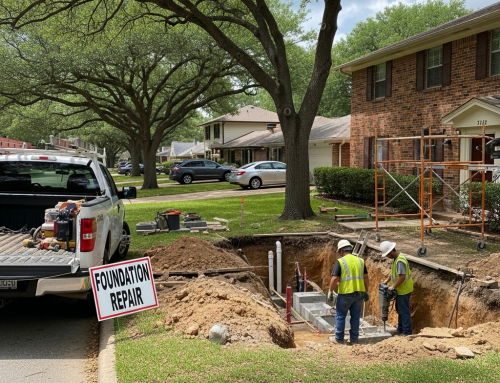
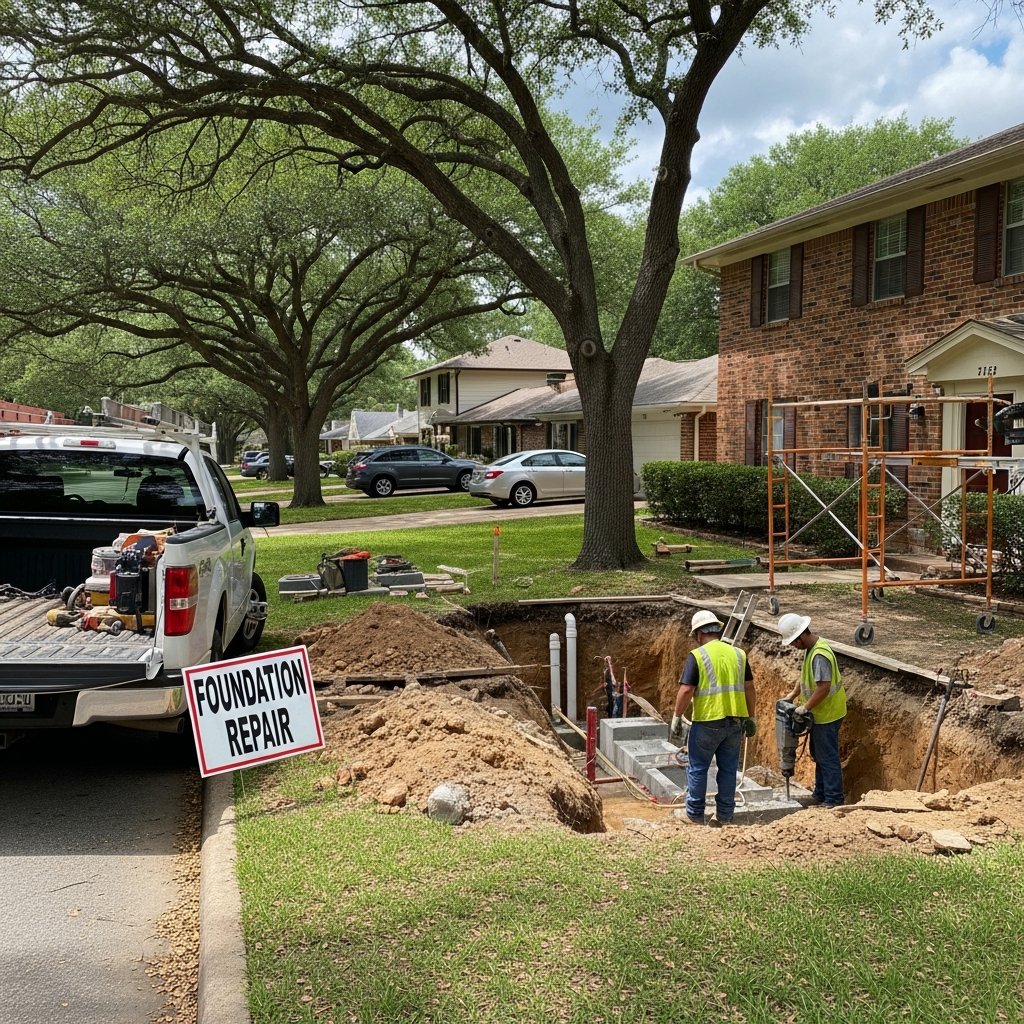
Here’s what you can actually expect when the work begins. First, there’s going to be noise. Lots of it. Foundation repair involves heavy machinery, jackhammers, and equipment you probably can’t even pronounce. Your neighbors might give you some looks, but hey – you’re protecting your investment.
You’ll likely need to move some furniture away from exterior walls. Most contractors will tell you exactly what needs to be relocated, but generally, anything within about three feet of where they’re working should be moved. This isn’t just about protecting your stuff – it’s about giving the crew room to work safely and effectively.
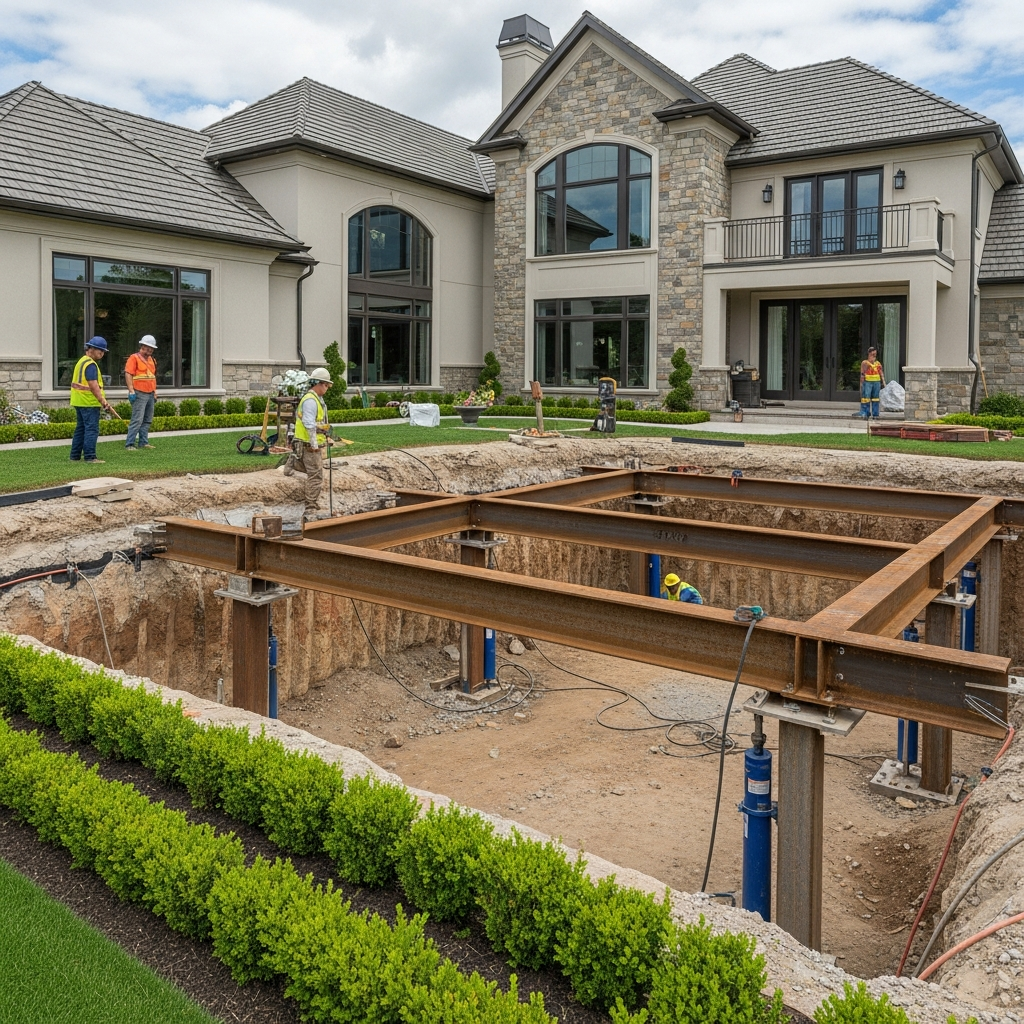
The actual repair process varies, but here’s the typical flow: assessment and marking, excavation (if needed), installation of piers or other support systems, then backfilling and cleanup. Some repairs might require multiple visits – especially if they need to let concrete cure between steps.
Managing the Disruption to Your Daily Life
I won’t sugarcoat this – foundation repairs can be disruptive. You might lose access to certain parts of your yard for a few days. There will be dust, despite the crew’s best efforts to contain it. And if you work from home? Those video calls are going to be interesting.
But here’s what I’ve learned from talking to hundreds of homeowners who’ve been through this: most people say it wasn’t as bad as they expected. The key is planning ahead. Stock up on groceries so you’re not constantly going in and out while work trucks are in your driveway. Maybe schedule that weekend getaway you’ve been putting off.
If you have pets, think about their stress levels too. Some dogs go absolutely bonkers with all the commotion, while others couldn’t care less. You know your furry family members best.
After the Work is Complete
This is where patience really pays off. Your foundation repair comes with a warranty – usually anywhere from 10 years to lifetime, depending on the company and type of work. But that doesn’t mean every tiny cosmetic issue will disappear immediately.
You might notice small cracks in your drywall or nail pops appearing over the next few months. This is actually normal as your house adjusts to its newly stabilized foundation. It’s like… imagine wearing shoes that were slightly too tight for years, then getting properly fitted ones. Your feet need time to adjust to the better support.
Most reputable contractors will do a follow-up visit after 30-60 days to check on things and address any minor cosmetic issues that have appeared. Don’t hesitate to call them if you notice something concerning – that’s what warranties are for.
Moving Forward with Confidence
The truth is, most foundation problems in Dallas don’t get worse once they’re properly addressed. You’re not just fixing today’s issues – you’re preventing tomorrow’s headaches. And while the process might feel overwhelming right now, you’ll sleep better knowing your home’s foundation is solid.
Keep your repair documentation in a safe place. Future buyers will want to see proof that the work was done properly, and having those records actually increases your home’s value. You’ve invested in your home’s future, and that’s something to feel good about.
You know, after going through all these warning signs together, I hope you’re feeling more empowered rather than overwhelmed. Because here’s the thing – noticing these red flags doesn’t mean your home is falling apart. It means you’re being a smart, proactive homeowner who’s paying attention.
And honestly? That puts you way ahead of the game.
I’ve talked to so many Dallas homeowners over the years who wished they’d caught these issues earlier. The ones who ignored that small crack for “just a few more months” or convinced themselves that sticky door was just part of living in an older home. Trust me, I get it – foundation problems feel scary and expensive. But the homeowners who sleep best at night are the ones who faced these signs head-on.
Taking Action Doesn’t Have to Be Stressful
Here’s what I want you to remember: most foundation issues in Dallas are totally manageable when caught early. Those hairline cracks? Often a simple repair. That door that won’t close properly? Could be fixed in an afternoon. Even more significant problems – the kind that make your stomach drop – usually have straightforward solutions when you’re working with the right professionals.
The key word there is “professionals.” I know it’s tempting to Google “DIY foundation repair” or ask your neighbor’s cousin who’s “good with construction stuff.” But foundation work isn’t really a YouTube tutorial kind of project. Dallas clay soil is… well, it’s got a personality of its own, and it takes someone who really understands how homes and soil interact here to get things right.
You Don’t Have to Figure This Out Alone
Look, I’ve been in this field long enough to know that the hardest part isn’t actually fixing foundation problems – it’s that initial moment when you realize you might have one. That pit-in-your-stomach feeling when you first notice something’s not quite right.
But here’s the truth: reaching out for help is actually the moment you take back control. Instead of lying awake wondering if that crack is getting bigger, you’ll have answers. Instead of second-guessing every little thing about your home, you’ll have a clear picture of what’s happening and what needs to be done.
Most foundation specialists (the good ones, anyway) will come take a look and give you an honest assessment. Sometimes they’ll tell you it’s nothing to worry about right now – just keep an eye on it. Sometimes they’ll recommend minor repairs. And yes, occasionally they’ll identify bigger issues… but even then, you’ll finally know what you’re dealing with.
Ready to Get Some Peace of Mind?
If any of those warning signs we talked about are ringing bells for you, don’t let them keep ringing. Give us a call, and let’s figure out what’s going on together. We’ve helped thousands of Dallas homeowners navigate foundation concerns – from tiny worry-cracks to more complex repairs – and we’re here to help you too.
Because your home should feel like your safe haven, not a source of constant worry. And with Dallas clay being what it is, a little professional insight can go a long way toward keeping it that way.