Arlington Foundation Repair: What Homeowners Should Know
You’re standing in your kitchen, making your morning coffee, when you notice something that makes your stomach drop. That thin crack running along the wall – wasn’t it smaller yesterday? Or maybe you’ve been ignoring the way your front door sticks every single time you try to close it, convincing yourself it’s just the humidity. Could be… but deep down, you know better.
Foundation problems don’t announce themselves with fanfare. They whisper at first – a hairline crack here, a slightly uneven floor there. Then one day you’re showing off your home to friends, and someone casually mentions, “Hey, is that wall supposed to bow out like that?” Suddenly, what you’ve been pretending not to see becomes impossible to ignore.
If you’re a homeowner in Arlington, this scenario might feel uncomfortably familiar. Texas soil – especially our expansive clay – has a reputation for keeping foundation repair companies very, very busy. And while foundation issues might seem like someone else’s problem (surely that only happens to old houses, right?), the reality is that Arlington’s unique geological conditions don’t discriminate based on your home’s age or price tag.
Here’s the thing that nobody really talks about: foundation problems are incredibly common, but they’re also one of those home issues that can make you feel completely out of your depth. When your garbage disposal stops working, you call a plumber. When a light switch goes out, you know you need an electrician. But foundation issues? That’s when most of us start spiraling into Google rabbit holes, trying to figure out if that crack means we’re looking at a $500 fix or a $50,000 nightmare.
I get it – it’s terrifying. Your home is likely your biggest investment, your safe haven, the place where your kids take their first steps and you host holiday dinners. The thought that something could be fundamentally wrong with its… well, foundation… can keep you up at night. Especially when you start reading horror stories online about foundation repairs that cost more than some people’s cars.
But here’s what I’ve learned after talking with countless Arlington homeowners who’ve navigated this exact situation: knowledge really is power. The families who fare best aren’t necessarily the ones with the newest homes or the biggest bank accounts – they’re the ones who understand what they’re dealing with and know how to make informed decisions.
That’s exactly why we’re having this conversation. Because while foundation problems can feel overwhelming, they’re not mysterious. There are clear signs to watch for, proven repair methods that work, and – yes – ways to protect yourself from contractors who might try to take advantage of your stress and uncertainty.
Throughout this guide, we’ll walk through everything you need to know as an Arlington homeowner. We’ll talk about why our area is particularly prone to foundation issues (spoiler alert: it’s not just the clay soil, though that’s definitely part of it). You’ll learn how to spot the early warning signs – some obvious, others surprisingly subtle. We’ll break down the different types of foundation problems you might encounter and what repair options actually make sense for each situation.
More importantly, we’ll talk about how to find a contractor you can trust in a field that’s… well, let’s just say it has its share of bad actors. You’ll learn what questions to ask, what red flags to watch for, and how to tell the difference between a legitimate repair estimate and someone trying to scare you into unnecessary work.
We’ll also get real about costs – because while nobody wants to spend money on foundation repair, understanding the investment upfront helps you make better decisions and avoid surprises down the road.
By the time you finish reading, that crack in your wall or sticking door won’t feel quite so ominous. You’ll know whether it’s something that needs immediate attention or just routine monitoring. And if you do need repairs, you’ll feel confident about moving forward instead of paralyzed by uncertainty.
Because here’s the truth: most foundation issues, when caught early and handled properly, are completely manageable. Your home isn’t falling down – it just needs some attention.
Why Foundations Fail (And It’s Not Always What You Think)
You’d think foundations – those massive concrete slabs and walls holding up your house – would be pretty much indestructible, right? Well, here’s the thing that surprised me when I first learned about this stuff: your foundation is actually in a constant battle with the ground beneath it. And sometimes… the ground wins.
Think of it like this – imagine you’re trying to balance on a yoga ball that’s slowly deflating on one side. That’s kind of what’s happening to your house, except instead of air leaking out, it’s water doing weird things to the soil underneath your foundation. Clay soil (which we’ve got plenty of here in Arlington) acts like a sponge that’s having an identity crisis. When it’s wet, it swells up like a proud peacock. When it dries out? It shrinks faster than your favorite sweater in hot water.
The Clay Soil Situation – Arlington’s Special Challenge
I’ll be honest – Arlington’s expansive clay soil is both a blessing and a curse. It’s incredibly fertile (hello, gorgeous gardens!), but it’s also the reason why foundation repair companies stay pretty busy around here. This clay contains minerals that literally change volume based on moisture content. We’re talking about soil that can expand up to 10% or more when saturated.
Picture this: after a heavy rain, that clay soil under your foundation puffs up like a marshmallow in the microwave. Then, during our hot Texas summers – or honestly, just a couple weeks without rain – it contracts and pulls away from your foundation walls. This constant expanding and contracting? It’s like your house is doing involuntary yoga poses all year long.
The Domino Effect Nobody Talks About
Here’s where it gets interesting (and slightly terrifying). Foundation problems rarely announce themselves with a dramatic crack and a “ta-da!” moment. Instead, they’re sneaky. You might notice a door that suddenly doesn’t close quite right, or maybe there’s a new gap between your baseboard and the floor. That’s your house trying to tell you something.
The reality is that even small foundation movements create stress throughout your entire home’s structure. It’s like when you pull one corner of a fitted sheet – everything else starts to shift and buckle. Your walls, floors, roof… they’re all connected, so when the foundation moves, everybody gets invited to the party.
Different Types of Foundation Problems
Settlement vs. Heave – these are the two main troublemakers. Settlement happens when part of your foundation sinks (usually because the soil underneath can’t support the weight anymore). Heave is the opposite – when swelling soil actually pushes up on your foundation. Both can cause cracks, but they create different patterns. It’s like the difference between a valley and a mountain – same landscape, totally different forces at work.
Lateral movement is another beast entirely. This is when your foundation walls start bowing or leaning – think of a retaining wall that’s getting tired of holding back all that soil pressure. This one particularly likes to show up after periods of heavy rain when the soil behind foundation walls gets saturated and heavy.
Warning Signs That Actually Mean Something
You know what’s frustrating? Some foundation issues look scary but aren’t urgent, while others seem minor but need immediate attention. That hairline crack in your garage floor? Probably not a big deal. But if you’ve got cracks that are wider than a quarter-inch, or if doors and windows are sticking, or if you’re seeing gaps between your walls and ceiling… yeah, those deserve some professional attention.
Actually, that reminds me – one of the most reliable early warning signs isn’t even visible. It’s when your house starts making new sounds. Creaking, popping, or groaning noises that weren’t there before often mean your home is adjusting to foundation movement.
The Inspection Reality Check
Here’s something that might sound counterintuitive: not all foundation cracks need fixing. I know, I know – it seems like any crack in your foundation should send you into panic mode. But foundations are designed to have some give. The key is knowing which cracks are just your house settling into its skin versus which ones signal actual structural problems.
Professional inspections involve way more than just looking for cracks, though. They’re checking moisture levels, soil conditions, drainage patterns, and measuring any slopes or tilts in your floors. It’s detective work, really – figuring out not just what’s happening, but why it’s happening.
When to Call the Professionals (And When You Might Be Able to Wait)
Here’s the thing about foundation issues – they’re a bit like that weird noise your car makes. Sometimes it’s just a loose belt, other times… well, you don’t want to find out the hard way.
Red flags that mean “call today, not tomorrow”: If you’re seeing new cracks wider than a quarter-inch, doors that suddenly won’t close properly, or – and this one’s serious – any part of your floor that feels bouncy or sags when you walk on it. I had a client who ignored a “minor” crack for six months. That $800 fix turned into a $12,000 nightmare.
On the flip side, those hairline cracks that haven’t changed in years? The ones you can barely slide a business card into? Those can usually wait for your next planned maintenance check. But here’s my rule of thumb – take photos with your phone every few months. Date them. If you start seeing changes, you’ve got documentation of when things shifted.
The Arlington Clay Factor (Yes, It’s a Real Thing)
Living in Arlington means dealing with expansive clay soil, and honestly… it’s like building on a moody teenager. When it’s wet, it swells. When it’s dry, it shrinks and pulls away from your foundation.
The secret most contractors won’t tell you upfront? Consistent moisture is your foundation’s best friend. Not soggy, not bone-dry – consistent. During our brutal Texas summers, I recommend running your sprinkler system around your foundation perimeter for about 15-20 minutes twice a week. Yeah, it feels weird watering dirt, but trust me on this one.
And those soaker hoses? They’re worth their weight in gold. Install them about 18 inches from your foundation wall and run them during the hottest months. Your foundation will thank you, and you might just avoid that emergency repair call.
Questions That’ll Make Your Contractor Take You Seriously
Most homeowners walk into these conversations at a disadvantage – they don’t know what to ask, so they don’t know if they’re getting straight answers. Here’s your cheat sheet
“What’s the underlying cause, and how are you addressing it?” If they just want to fill cracks without talking about drainage or soil issues, keep looking. It’s like putting a band-aid on a leaky pipe.
“Can you show me exactly what you’ll be doing?” A good contractor will sketch it out, explain their process, maybe even show you photos from similar jobs. If they get vague or pushy when you ask for details… red flag.
“What’s your warranty, and what specifically does it cover?” This one separates the pros from the fly-by-night operators. Quality work comes with quality guarantees, and they shouldn’t hesitate to spell out the terms.
The Money Talk (Because Someone Has to Bring It Up)
Let’s be honest about costs – foundation work isn’t cheap, but it doesn’t have to break the bank either. Minor crack sealing might run you $300-800. Pier and beam adjustments can range from $1,200-3,500. Major structural work? That’s when you’re looking at $5,000-15,000 or more.
But here’s a tip that could save you thousands: get quotes in late fall or winter. Spring is when everyone discovers their foundation issues, and demand drives up prices. Plus, contractors are often more flexible on scheduling and pricing during slower seasons.
Your Post-Repair Game Plan
Once the work’s done – and this is where a lot of people drop the ball – you need a maintenance mindset. Walk around your house quarterly and look for new issues. Check your gutters (seriously, clogged gutters are foundation killers). Keep that soil moisture consistent.
And here’s something most people don’t think about: document everything. Photos of the repair work, copies of warranties, receipts, even notes about what caused the problem. If you ever sell your house, this documentation shows potential buyers that you took care of business properly.
The reality is, foundation maintenance isn’t glamorous. It’s not going to win you any home improvement bragging rights at neighborhood barbecues. But it’s the kind of unglamorous work that keeps your biggest investment solid – literally and financially. And in Arlington’s challenging soil conditions, that proactive approach isn’t just smart… it’s essential.
When the Foundation Guy Speaks Greek (And Your Budget Speaks English)
You know that sinking feeling when the foundation specialist starts rattling off terms like “underpinning” and “helical piers” while you’re still trying to figure out if that crack in your basement wall is serious? Yeah, we’ve all been there. The technical jargon alone can make your head spin faster than a Texas tornado.
Here’s the thing – most foundation pros aren’t trying to confuse you, but they’ve been doing this for decades and sometimes forget that “differential settlement” isn’t exactly dinner table conversation. Don’t be afraid to stop them mid-sentence and ask for plain English. A good contractor will actually appreciate it… it means you’re paying attention.
Solution: Come prepared with a notebook and ask them to draw simple diagrams. Request before-and-after photos from similar jobs. And here’s a pro tip – ask them to explain it like they would to their own grandmother. If they can’t do that, maybe they’re not your person.
The Sticker Shock That Makes Your Wallet Weep
Let’s be brutally honest here – foundation repair isn’t like buying a new refrigerator where you can comparison shop at three stores and call it a day. When that first quote lands in your mailbox showing five figures (or worse, six), it’s enough to make you consider just… living with the problem.
But here’s what trips up most Arlington homeowners: they get one quote, have a minor heart attack, and then spend months in denial while the problem gets worse. Or they go with the cheapest option because, well, desperation makes us do funny things with money.
The reality check: Foundation problems don’t age like fine wine. They get more expensive over time, not less. That $8,000 repair today? It could easily become a $20,000 nightmare next year.
Your game plan: Get at least three quotes, but don’t automatically go with the lowest number. Look at the scope of work, the materials they’re proposing, and their warranty. Sometimes paying 20% more upfront saves you from paying double later when the cheap fix fails.
The Great Insurance Disappointment
This one stings because it catches almost everyone off guard. You’ve been faithfully paying your homeowner’s insurance for years, and then boom – you discover that most foundation issues fall into that lovely gray area insurance companies call “maintenance and wear.”
Unless you can prove the damage came from a specific covered event (like a burst pipe or that freak hailstorm last spring), you’re probably looking at paying out of pocket. It’s frustrating as hell, especially when you’re already dealing with the stress of foundation problems.
Solution: Document everything with photos and dates. If there was recent weather damage, flooding, or plumbing issues, make sure your contractor notes any potential connections. Some policies do cover foundation damage if it’s directly caused by covered perils. Also, check if you have any coverage for additional living expenses if the repairs make your home temporarily unlivable.
The Timeline Tango Nobody Prepared You For
Remember when they said it would take “about a week” to fix your foundation? That was three weeks ago, and you’re still living with a jackhammer symphony every morning at 7 AM. Weather delays, permit issues, unexpected complications – foundation work seems to attract Murphy’s Law like a magnet.
The worst part? You can’t exactly live your normal life while it’s happening. Your landscaping gets destroyed, there’s dust everywhere, and don’t even get me started on trying to work from home while they’re driving piers into the ground right outside your office window.
Managing expectations: Ask for a realistic timeline that includes potential delays. Most contractors will give you the best-case scenario because, honestly, that’s what you want to hear. But push for the “if everything goes wrong” timeline too. Plan for the work to take 50% longer than quoted, and you’ll be pleasantly surprised if it finishes early.
Finding Someone You Can Actually Trust
This might be the biggest challenge of all. Foundation repair isn’t something most of us deal with regularly, so we don’t have that go-to contractor like we might for plumbing or electrical work. You’re essentially trusting a stranger with one of your home’s most critical systems… and a chunk of your life savings.
The red flags are usually pretty obvious once you know what to look for: door-to-door solicitors, pressure tactics, or quotes that seem too good to be true. But sometimes the warning signs are subtler – like contractors who won’t provide local references or seem to dodge questions about their licensing and insurance.
Your protection plan: Verify their license through the Texas Department of Licensing and Regulation. Check their Better Business Bureau rating, but more importantly, read the actual complaints and how they responded. Ask for references from jobs completed in the last six months, not just their greatest hits from five years ago.
What to Expect During the Repair Process
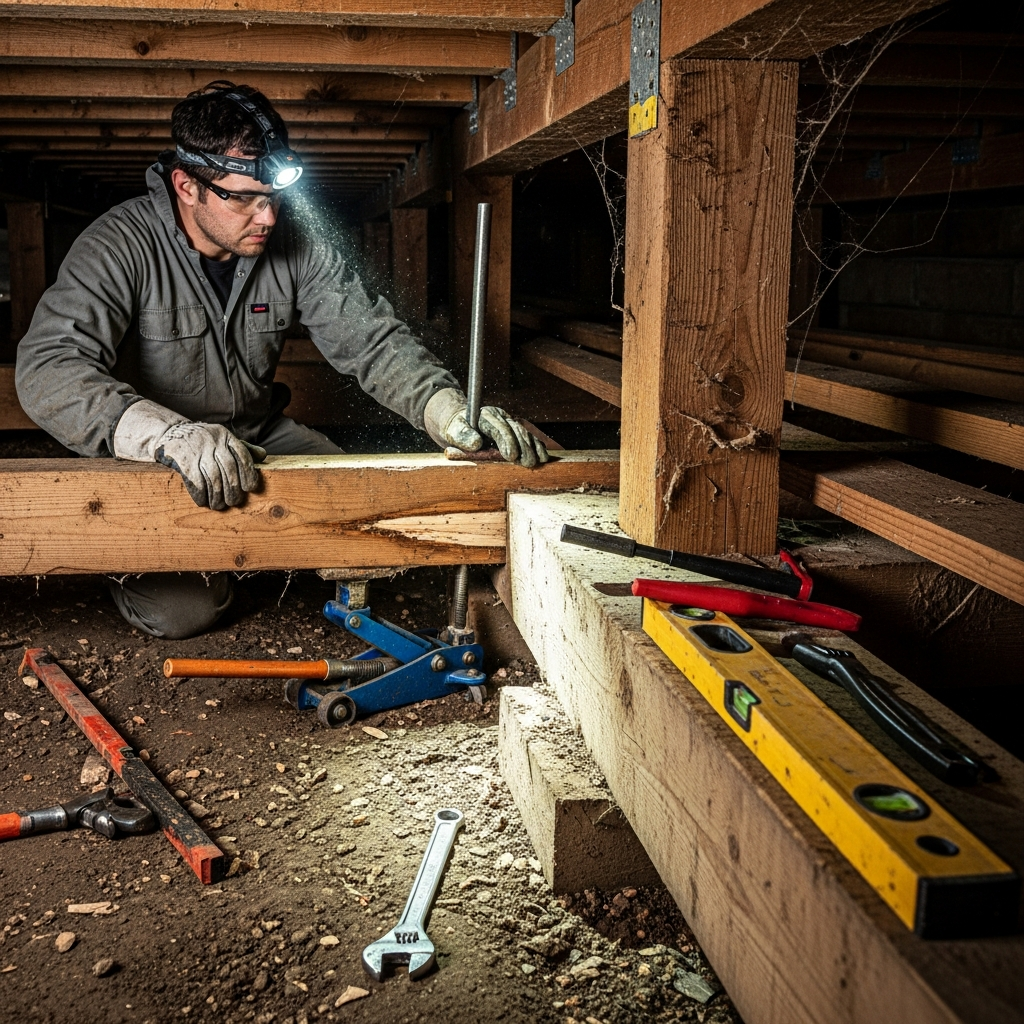
Let’s be honest – foundation repair isn’t exactly a quick weekend project. Most residential foundation repairs take anywhere from 3-10 days, depending on what you’re dealing with. That concrete slab repair? Maybe 2-3 days. But if you’re looking at extensive pier installation around your whole house… well, you’re probably looking at closer to two weeks.
The thing is, Arlington’s clay soil doesn’t make things easier. Your contractor might start digging and discover the soil conditions are trickier than expected – maybe there’s more shifting than initially visible, or they hit an unexpected utility line. It happens more often than you’d think.
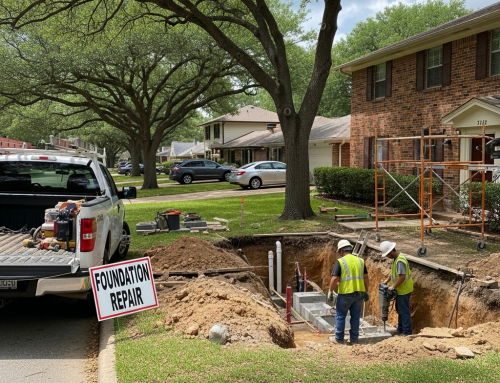
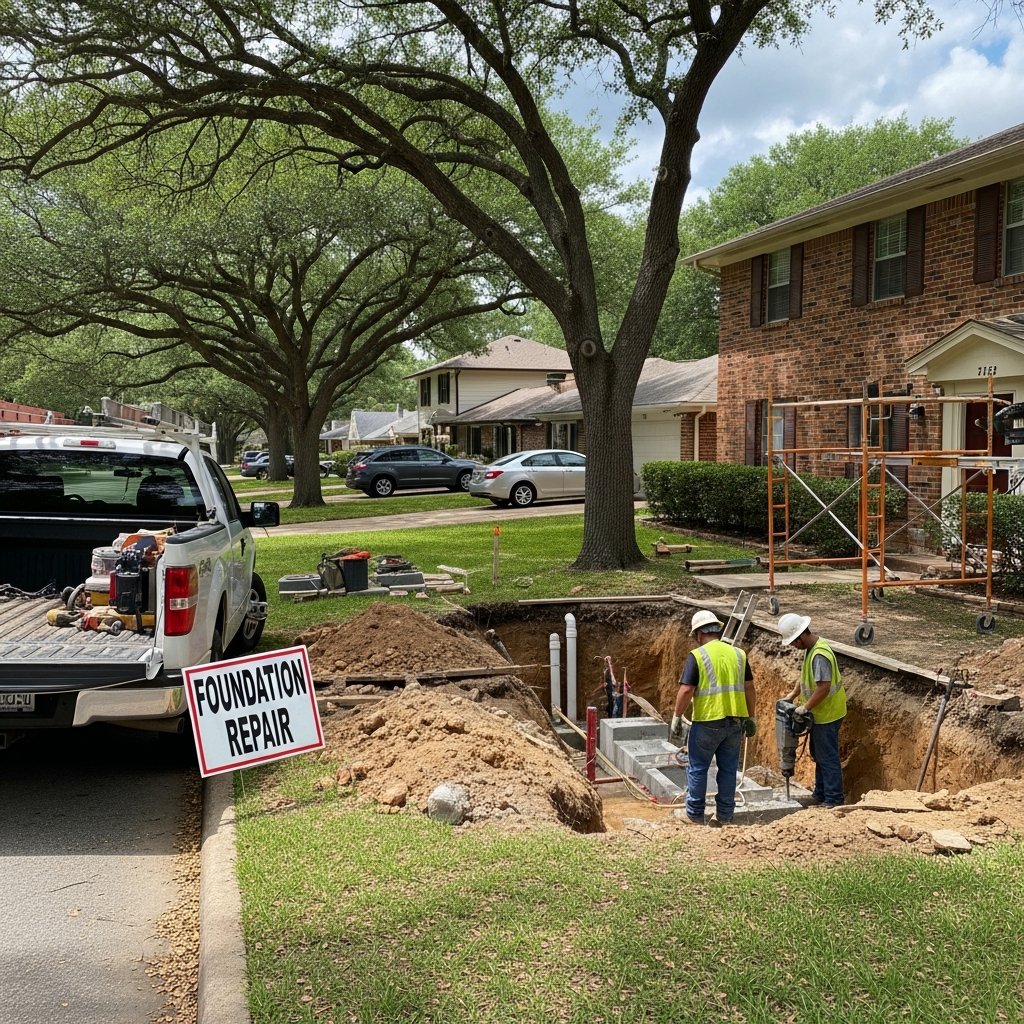
Here’s what a typical timeline looks like: Day one is usually prep work and getting equipment on site. Days 2-4 involve the actual heavy lifting – excavation, pier installation, or slab work. The final days are cleanup, backfill, and making sure everything’s properly compacted. Don’t be surprised if weather throws a wrench in things… summer thunderstorms have delayed more foundation projects than any contractor wants to admit.
Your Home During Construction
Your house is going to feel like a construction zone – because, well, it is. You’ll hear machinery, feel some vibration (especially during pier driving), and there will be dust. More dust than you expect, even with the best contractors.
The good news? You can usually stay in your home during most foundation repairs. The bad news? Your daily routine will definitely be disrupted. That back patio you love for morning coffee? It might be inaccessible for a few days while they work on the foundation underneath.
Most reputable contractors will walk you through exactly which areas will be affected and when. They should also provide protective coverings for your belongings and discuss any temporary utility shutoffs that might be necessary.
Post-Repair Reality Check
Here’s something many homeowners don’t expect – your house might still settle a bit after repairs. This is completely normal, especially with pier and beam foundations. Think of it like your house getting used to its new support system.
You might notice minor cosmetic issues pop up in the weeks following repair – a small crack in drywall here, maybe a door that sticks slightly there. This doesn’t mean the repair failed; it usually means your home is adjusting to its improved stability. Most contractors will address these minor issues during your warranty period.
The settling process can take anywhere from a few weeks to several months. Your contractor should explain what’s normal versus what might indicate a problem. Keep a simple log of any changes you notice – it’ll be helpful if you need to reference it later.
Maintaining Your Investment
Foundation repair isn’t a “set it and forget it” situation. Your Arlington home will need ongoing attention to prevent future issues – remember, it’s that expansive clay soil that caused problems in the first place.
Keep an eye on your drainage. Clean those gutters regularly (or hire someone to do it). Make sure water flows away from your foundation, not toward it. During dry spells, consider soaker hoses around your foundation to maintain consistent moisture levels… though don’t go overboard and create soggy conditions.
Walk around your house every few months and look for new cracks, changes in door alignment, or other signs that something’s shifting. Most foundation companies offer annual inspections – honestly, they’re worth it. Catching small issues early beats dealing with major problems later.
Working with Your Contractor Moving Forward
A good foundation repair company doesn’t disappear after they cash your check. They should provide a clear warranty (typically 5-10 years for major structural work) and be responsive to questions or concerns that come up.
Don’t hesitate to call if something doesn’t look right. Reputable contractors would rather address a small concern quickly than deal with a bigger problem down the road. Keep all your paperwork, photos, and documentation in one place – you’ll thank yourself later if you ever need to reference the work or transfer warranty information to new homeowners.
Actually, that reminds me – if you’re planning to sell your home someday, having detailed records of professional foundation repair often increases buyer confidence rather than scaring them away. It shows you’ve been proactive about maintaining your home’s structural integrity.
Taking the Next Step Forward
Here’s the thing about foundation issues – they rarely get better on their own. I know that’s not exactly what you wanted to hear, but it’s the truth we need to face together. Your home is probably your biggest investment, and more than that… it’s where your family builds memories, where you feel safe, where you belong.
Those small cracks you’ve been watching? The doors that stick a little more each month? They’re your house’s way of asking for help. And honestly, there’s something really empowering about listening to those signals instead of hoping they’ll just… disappear.
What I’ve seen time and again – and this might surprise you – is that homeowners who address foundation concerns early often end up spending less money and dealing with way less stress than those who wait. It’s like that weird noise your car makes that you keep turning the radio up to ignore. Eventually, you’re calling for a tow truck instead of just needing an oil change.
But here’s what I really want you to know: you don’t have to figure this out alone. Arlington’s soil conditions can be tricky – that clay soil we love to complain about during dry spells? It’s the same soil that can shift and settle in ways that affect your foundation. It’s not your fault, and it’s definitely not something you should feel embarrassed about addressing.
The best foundation repair specialists I know – the ones who’ve been working in Arlington for years – they’ve seen it all. They understand our local challenges, from the way our soil behaves during those scorching Texas summers to how our foundations respond to our occasional heavy rains. They’re not there to judge or oversell… they’re problem solvers who genuinely want to help protect what matters most to you.
Sometimes the solution might be simpler than you think – maybe some targeted repairs or adjustments that prevent bigger issues down the road. Other times, sure, it might require more extensive work. But either way, knowing exactly where you stand gives you control over the situation instead of letting it control you.
I get it if you’re feeling overwhelmed right now. Foundation problems can feel massive and scary, especially when you’re not sure what you’re looking at or what questions to ask. That’s completely normal. Every homeowner who’s dealt with this has felt that same knot in their stomach.
You’re Not Alone in This
If you’re seeing signs that concern you – or even if you’re just not quite sure what you’re looking at – reaching out for a professional assessment is one of the smartest moves you can make. Most reputable companies will give you an honest evaluation without pressuring you into anything. Think of it as getting a second opinion… for your house.
Your Arlington home has been taking care of your family. Now it might be time to take care of it. You don’t have to carry this worry by yourself – help is available, and it’s closer than you think.
Ready to get some answers? Pick up the phone. Your peace of mind is worth that call.