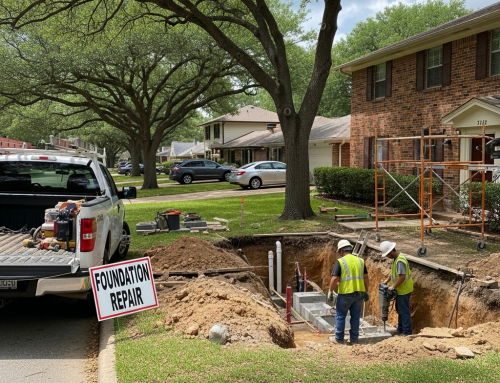
How Much Does It Cost to Fix a Foundation?
You’re lying in bed at 2 AM, staring at the ceiling, when that thought creeps back in – you know, the one about that crack in your basement wall that seems to get a little wider every month. Or maybe it’s the way your front door has started sticking, requiring an extra shove that makes you wonder if your house is… shifting?
That sinking feeling in your stomach isn’t just about potential structural damage – it’s about dollar signs. Big ones.
Here’s the thing about foundation problems: they’re like that weird noise your car makes that you keep ignoring, hoping it’ll just go away on its own. Except your house isn’t going anywhere (well, hopefully not literally), and neither is that growing sense of dread about what this might cost you.
I get it. Foundation repair sounds expensive because… well, it often is. But here’s what nobody tells you when you’re googling “foundation crack normal or nightmare” at ungodly hours – the cost isn’t just one scary number. It’s a whole spectrum that depends on everything from what’s actually wrong to where you live to how long you’ve been playing the “ignore it and maybe it’ll fix itself” game.
The Money Talk Nobody Wants to Have
Let’s be honest – you’re probably here because you’ve noticed something unsettling. Maybe it’s hairline cracks that definitely weren’t there last year, or your floors have developed a subtle slope that makes rolling objects drift toward one corner like some kind of architectural Bermuda Triangle. Perhaps your basement smells different lately, or you’ve got doors that won’t close properly no matter how much you adjust the hinges.
And now you’re wondering: am I looking at a few hundred dollars for some concrete crack filler, or should I start researching second mortgages?
The truth is, foundation repair costs can range from “okay, that’s manageable” to “I need to sit down and breathe into a paper bag.” We’re talking anywhere from a couple hundred bucks for minor crack sealing to… well, let’s just say the upper end involves numbers that make most people’s eyes water. But – and this is important – knowing what you’re dealing with ahead of time can save you from both sticker shock and contractor scare tactics.
Why Your House (and Wallet) Can’t Wait
Here’s something that might surprise you: foundation problems don’t usually announce themselves with dramatic, movie-style catastrophes. They whisper. They hint. They show up as tiny cracks, slightly uneven floors, or windows that suddenly won’t open smoothly.
And that’s exactly why the cost conversation matters so much right now, while you’re still in the “hmm, is this something?” phase rather than the “oh God, is my house falling down?” phase.
Because here’s what I’ve learned after talking to hundreds of homeowners who’ve been exactly where you are: the folks who address foundation issues early almost always spend less – sometimes dramatically less – than those who wait until the problem demands attention. It’s like the difference between getting a small cavity filled versus needing a root canal. Same tooth, very different bills.
What You’re About to Discover
In the next few minutes, we’re going to walk through everything you need to know about foundation repair costs – not just the scary headlines, but the real, nuanced picture. You’ll learn what different types of problems typically cost to fix, what factors drive those prices up or down, and how to tell whether that estimate you got is reasonable or ridiculous.
We’ll talk about the warning signs that suggest you might be dealing with something serious (versus the ones that might just need some basic maintenance), how to get reliable estimates without falling prey to high-pressure sales tactics, and yes – we’ll even cover some DIY options for the truly minor stuff.
Most importantly, you’ll understand how to think about these costs in context. Because while foundation repair isn’t cheap, neither is ignoring a problem until it turns your house into an expensive pile of regret.
Ready to turn that 2 AM anxiety into a practical action plan? Let’s figure out what you’re really dealing with – and what it’s going to cost to fix it.
What Actually Goes Wrong Down There
Think of your home’s foundation like the roots of a massive tree – you can’t see what’s happening underground until something starts going sideways above ground. And honestly? That’s part of what makes foundation problems so nerve-wracking.
Most foundation issues boil down to water and movement. Water’s the big troublemaker here – it’s like that friend who seems harmless until they’ve had a few drinks and suddenly they’re rearranging your furniture. When water gets where it shouldn’t (around your foundation), it can cause soil to expand, contract, wash away, or turn into something resembling chocolate pudding.
Then there’s settling. Every house settles a bit – it’s normal, like breaking in a new pair of shoes. But when settling becomes *sinking*, that’s when your wallet starts to sweat. Clay soils are particularly notorious for this… they’re like mood rings, constantly expanding and shrinking based on moisture levels.
The Warning Signs That Make Homeowners Panic
You know that sinking feeling when you notice your first gray hair? Foundation problems announce themselves in similarly unwelcome ways.
Cracks are the obvious red flags – but here’s where it gets confusing. Not all cracks are created equal. Those tiny hairline cracks in your basement wall? They might just be your house’s version of laugh lines. But zigzag cracks, especially ones you can stick a quarter into… yeah, those are the ones that keep foundation repair guys in business.
Doors that suddenly won’t close properly are another telltale sign. It’s like your house is slowly doing yoga poses you didn’t ask for. Windows getting stuck, floors that feel bouncy or sloped, and gaps appearing between walls and ceilings – these are all your home’s way of saying “Houston, we have a problem.”
Actually, that reminds me – one of the weirdest signs is when your basement starts smelling musty even when it’s been dry. Sometimes foundation shifts create tiny pathways for moisture you can’t even see.
Types of Fixes (And Why Costs Vary So Wildly)
Here’s where things get really interesting – and expensive. Foundation repair isn’t one-size-fits-all, which explains why your neighbor’s quote might be completely different from yours.
Surface-level repairs are like putting a band-aid on a scrape. Crack injection, minor waterproofing, small patches – these are your budget-friendly options. Think hundreds, not thousands.
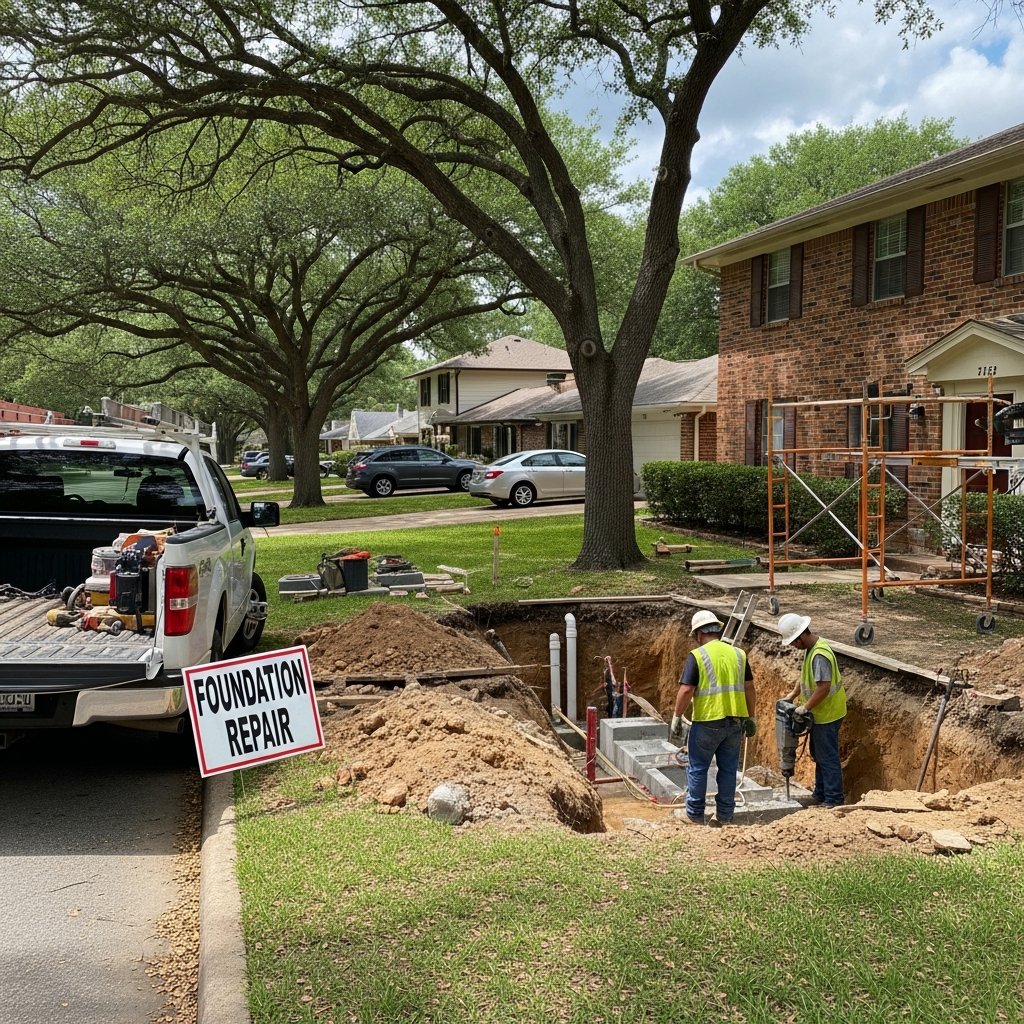
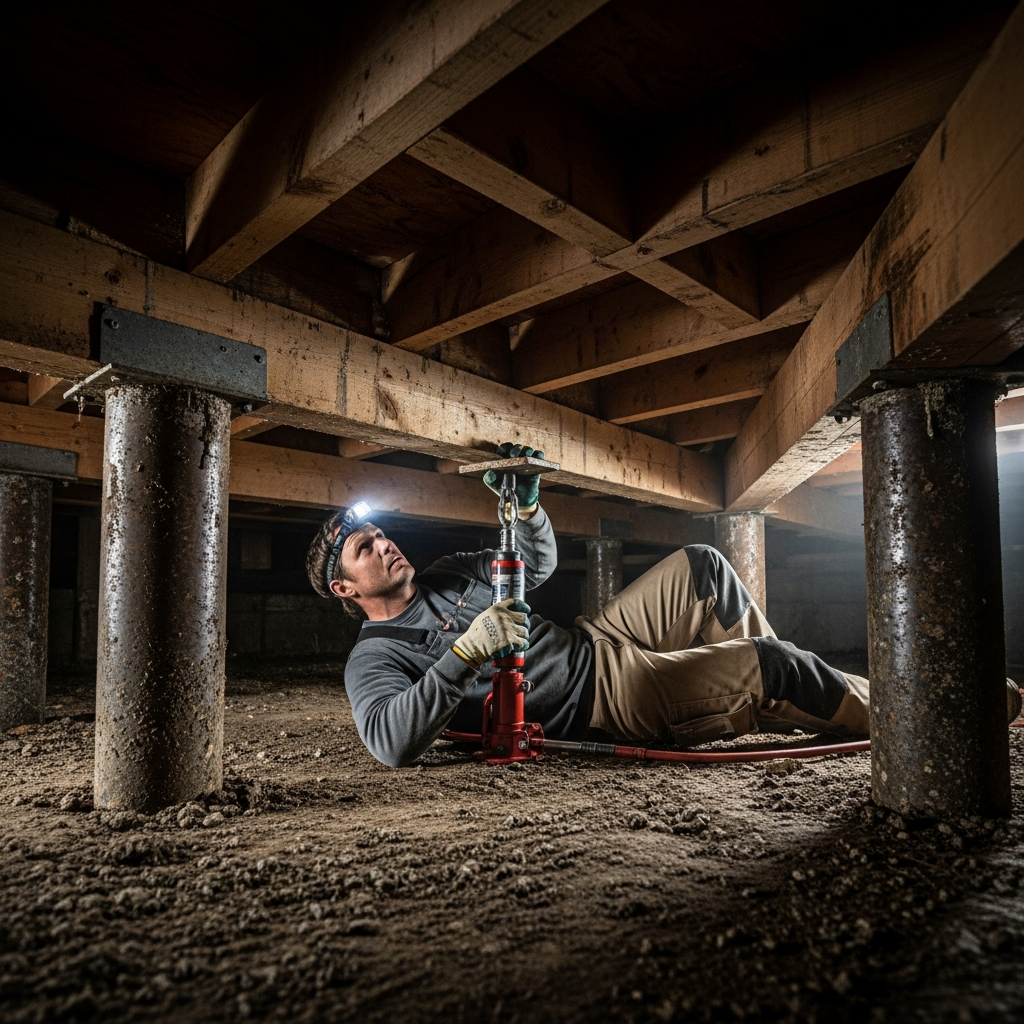
Structural repairs are where things get serious… and pricey. This is open-heart surgery for your house. We’re talking about underpinning (literally putting new support under your existing foundation), installing piers or piles that go deep into stable soil, or even lifting and re-leveling sections of your home. These solutions can run anywhere from a few thousand to… well, let’s just say it’s mortgage-payment territory.
The really expensive stuff? Complete foundation replacement or major structural overhauls. It’s like rebuilding the engine while the car’s still running – technically possible, but you’ll need a really good contractor and a really understanding bank account.
Why Every Estimate Feels Like a Mystery Novel
This is probably the most frustrating part for homeowners – getting wildly different quotes for what seems like the same problem. But foundation issues are like medical symptoms… two people can have the same headache from completely different causes.
Your soil type matters enormously. Sandy soil drains well but doesn’t provide much support. Clay soil supports weight beautifully when it’s happy but becomes a nightmare when it gets too wet or dry. And don’t get me started on expansive soils – they’re like that one friend who’s either completely dramatic or completely chill, with no middle ground.
The age and construction method of your home plays a huge role too. A house built in the 1950s with a shallow foundation faces different challenges than a modern home with proper footings and drainage systems.
Weather patterns in your area, local building codes, accessibility for equipment… it all factors into the final price tag. Sometimes contractors need to hand-dig because their equipment can’t fit through your gate. Sometimes they need special permits. Sometimes your foundation problem is actually three different problems wearing a trench coat.
It’s enough to make anyone’s head spin – which is exactly why understanding the basics helps you ask better questions when those estimates start rolling in.
Getting Multiple Quotes (And What to Actually Ask For)
Here’s the thing about foundation contractors – they’re not all created equal, and neither are their quotes. You’ll want at least three estimates, but don’t just call random names from Google. Ask your neighbors, check with local building inspectors, and honestly? Drive around neighborhoods similar to yours and look for foundation work trucks.
When you’re getting quotes, don’t just ask “how much to fix my foundation.” Be specific. Ask about their excavation method, what type of waterproofing they use, and whether they’ll handle landscaping restoration. The cheapest quote often becomes the most expensive when you’re hit with “extras” later.
Timing Your Repairs (It’s Not What You Think)
Most people think spring is the best time for foundation work. Wrong. Late summer to early fall is actually your sweet spot. Contractors aren’t as busy, soil conditions are typically more stable, and you’re not dealing with winter freeze-thaw cycles that can complicate repairs.
That said, if you’re seeing active settling or water issues… don’t wait for perfect timing. Foundation problems rarely fix themselves, and that small crack can become a major structural issue faster than you’d think.
DIY vs. Professional Work (Where to Draw the Line)
Look, I get it – foundation repair costs can make your wallet cry. But here’s where you can save money and where you absolutely cannot. Minor crack sealing with hydraulic cement? Sure, give it a shot if we’re talking hairline cracks. Anything involving excavation, structural support, or underpinning? Call the professionals.
I’ve seen too many “weekend warrior” projects turn into insurance nightmares. Your foundation literally holds up your entire house – this isn’t the place to learn new skills.
Financing Options You Might Not Know About
Beyond traditional home equity loans, there are some lesser-known options. Many foundation repair companies offer 0% financing for 12-24 months if your credit’s decent. Some utility companies also offer foundation repair rebates if moisture issues are affecting your energy efficiency.
Check with your insurance company too – while most standard policies don’t cover gradual settling, they might cover sudden foundation damage from things like plumbing leaks or severe weather events.
Red Flags That’ll Save You Thousands
Door-to-door contractors offering “limited time deals”? Run. Legitimate foundation contractors are booked weeks or months out – they don’t need to drum up business by knocking on doors.
Also watch out for quotes that seem too good to be true (they usually are) or contractors who demand large upfront payments. A reputable company might ask for a small deposit to order materials, but they shouldn’t need half the job cost before they start digging.
The Hidden Costs Nobody Mentions
Beyond the actual repair work, budget for these extras: permit fees (usually $100-500), temporary support beams if you need to stay in the house during major work, and landscape restoration. That beautiful garden bed next to your foundation? It’s probably getting torn up during excavation.
You might also need a structural engineer’s report – especially if you’re dealing with insurance claims or local building departments. These typically run $500-800 but can save you thousands if they identify issues your contractor missed.
Making Your Foundation Investment Last
Once you’ve invested in repairs, protect that investment. Install proper drainage around your foundation – we’re talking gutters, downspout extensions, and grading that slopes away from your house. It sounds basic, but water management prevents about 80% of future foundation issues.
Consider a foundation monitoring system too. These aren’t just for new construction anymore – wireless sensors can alert you to settlement or moisture issues before they become expensive problems.
When to Walk Away from a House
If you’re looking at buying a home with foundation issues, here’s your decision matrix: if repair costs exceed 10-15% of the home’s value, or if there’s evidence of ongoing structural movement, walk away. No house is worth inheriting someone else’s foundation nightmare.
But don’t panic over every little crack either. Most foundation issues are fixable – it’s just a matter of whether the numbers make sense for your situation. Sometimes the best investment is in the house you already know and love.
When Reality Hits Your Budget (And It Always Does)
Let’s be real here – foundation repair costs have a sneaky way of multiplying faster than rabbits in spring. You get that initial estimate, maybe breathe a small sigh of relief, and then… boom. The contractor finds something else. It’s like opening a can of worms, except the worms cost $3,000 each.
The biggest shock most homeowners face? Hidden damage that only reveals itself once work begins. That modest crack in your basement wall might be connected to a much larger structural issue. I’ve seen estimates double – sometimes triple – when contractors discover rotted sill plates, compromised soil conditions, or drainage problems that weren’t obvious during the initial inspection.
Here’s what you can do: Always, and I mean always, budget an extra 20-30% beyond your highest estimate. I know it sounds excessive, but trust me on this one. You’ll either be pleasantly surprised when you don’t need it, or incredibly grateful you planned ahead when you do.
The Permit and Inspection Maze
Nobody warns you about the bureaucratic nightmare that comes with major foundation work. Permits can cost anywhere from $100 to $1,500 depending on your location, and that’s before you factor in the time delays. Some areas require multiple inspections throughout the process, each potentially causing work stoppages.
The real kicker? If work gets delayed, you might face additional costs for equipment rental extensions or contractor scheduling conflicts. I once knew someone whose foundation repair stretched from a planned six weeks to four months because of permit delays – and every extra week meant more money out of pocket.
Solution: Ask your contractor upfront about all permit requirements and build those timelines into your expectations. Better contractors will handle permits for you, but make sure it’s spelled out in your contract who’s responsible for what.
Choosing Between Band-Aids and Real Fixes
This is where homeowners often trip themselves up. You’ve got a foundation problem, you get multiple quotes, and naturally you’re drawn to the cheapest option. But here’s the thing – foundation issues are rarely surface-level problems.
That $2,000 “quick fix” might buy you a few years of peace, but if the underlying issue isn’t addressed, you’ll be back to square one… except now you’ve spent $2,000 AND you still need the proper repair. It’s like putting a pretty bandage on a broken bone.
The honest truth? Sometimes the expensive solution really is the only smart solution. A proper foundation repair that addresses root causes might cost $15,000 upfront, but it’s often cheaper than doing three $5,000 patches over the next decade.
Living Through the Chaos (Because You Have To)
Nobody prepares you for what it’s actually like to have major foundation work done while you’re living in the house. The noise alone… we’re talking jackhammering at 7 AM, heavy machinery rumbling outside your bedroom window, and contractors tromping through your space for weeks on end.
Then there’s the dust. Oh, the dust. It gets everywhere – and I mean everywhere. Your morning coffee will taste gritty, your favorite sweater will need professional cleaning, and you’ll be finding construction debris in random corners months later.
Practical survival tips: Set up a “clean zone” in one room where you can retreat. Invest in a good air purifier. Plan to eat out more than usual (and budget for it). If you have pets or small children, seriously consider temporary alternative living arrangements for at least part of the work.
When Insurance Plays Hard to Get
Here’s a frustrating reality – most foundation problems aren’t covered by standard homeowner’s insurance. Settlement, soil movement, poor construction… these are typically considered maintenance issues, not covered perils. But some homeowners don’t discover this until they’re already knee-deep in repairs.
The exceptions are narrow: sudden foundation damage from covered events like burst pipes or earthquakes (if you have earthquake coverage). Even then, insurance companies will scrutinize claims heavily.
Your move: Review your policy now, before you need it. If you’re in an area prone to specific foundation-threatening events, consider supplemental coverage. And document everything – photos, maintenance records, any changes you notice. If you do need to file a claim later, thorough documentation is your best friend.
The bottom line? Foundation repairs are expensive, disruptive, and often more complicated than anyone wants them to be. But ignoring foundation problems doesn’t make them cheaper – it just makes them someone else’s expensive problem later.
What to Expect During the Foundation Repair Process
Let’s be honest – foundation repair isn’t exactly a quick weekend project. Most repairs take anywhere from 2-5 days for standard fixes to several weeks for major structural work. I know, I know… that’s not what you wanted to hear when you’re already stressed about costs and wondering if your house might literally fall down.
The timeline really depends on what you’re dealing with. Simple crack injection? You’re looking at maybe a day or two. Full basement waterproofing with drainage systems? That’s more like 1-2 weeks. Major underpinning or complete foundation replacement… well, that can stretch into months.
Here’s something that might surprise you: weather plays a huge role. Rain delays are real, especially for exterior work. And if you’re in an area with clay soil (looking at you, Texas), contractors often prefer certain seasons when the ground is more stable.
The Inspection and Estimate Phase
Before anyone starts swinging hammers, you’ll need a thorough inspection. Most reputable contractors offer free estimates, but here’s where it gets tricky – not all inspections are created equal.
A good foundation specialist will spend at least an hour crawling around your basement, checking your crawl space, and examining your home’s exterior. They’re looking for settlement patterns, moisture issues, and structural concerns you might not even know exist.
You’ll want to get 2-3 estimates minimum. I’ve seen quotes for the same job vary by thousands of dollars – and sometimes the cheapest isn’t the worst option, while the most expensive isn’t necessarily the best. It’s frustrating, but that’s the reality of this business.
Some contractors will push for immediate decisions (“This price is only good today!”), but honestly? Take your time. Foundation problems that took years to develop won’t suddenly get catastrophically worse in a week while you’re getting quotes.
Managing the Disruption to Your Life
Let’s talk about the elephant in the room – living through foundation repairs is… well, it’s not fun. Depending on your repair type, you might deal with
– Constant noise and vibration (especially if they’re using hydraulic jacks or excavating) – Contractors tramping through your house at 7 AM – Dust. So. Much. Dust. – Limited access to certain areas of your home – Potential utility disruptions
For major repairs, some families temporarily relocate to avoid the chaos. Others tough it out – and honestly, most people manage just fine. Just set realistic expectations with your family, especially if you have young kids or work from home.
Permits and Inspections: The Boring But Important Stuff
Most foundation repairs require permits, which means… you guessed it… more time and money. Permit costs typically range from $100-500, but the real delay comes from waiting for city inspections.
Your contractor should handle the permit process (and if they suggest skipping permits, that’s a red flag the size of a small building). But inspections can add days or even weeks to your timeline, especially in busy markets where inspectors are backed up.
When Things Don’t Go According to Plan
Here’s what no one tells you upfront – foundation repairs rarely go exactly as planned. Once contractors start digging or removing materials, they often discover additional issues. Maybe there’s more water damage than expected, or the soil conditions are worse than the initial assessment suggested.
It’s not that contractors are trying to surprise you with extra costs (well, most aren’t). Foundation problems are like icebergs – you often can’t see the full extent until you really start investigating.
A good contractor will communicate these discoveries immediately and explain your options. They should never just proceed with additional work without your approval, even if it “makes sense” to handle it while they’re already there.
Setting Realistic Expectations for Follow-Up
Your foundation repair won’t magically fix every crack in your walls or make your doors perfectly aligned overnight. Houses need time to settle back into their new normal – sometimes weeks or even months.
Most reputable contractors offer warranties (typically 5-25 years depending on the repair type), and they should schedule a follow-up inspection within the first year. Don’t panic if you notice minor settling or small cosmetic issues in the months following repair – that’s often completely normal.
The key is staying in communication with your contractor and understanding what’s covered under warranty versus what’s just… well, the reality of living in a house that’s been through major structural work.
You know, after walking through all these numbers and scenarios, I get it if your head is spinning a little. Foundation problems feel overwhelming because, well… they literally affect the ground your life is built on. That’s not just a metaphor – it’s your reality right now.
The Real Talk About Moving Forward
Here’s what I want you to remember as you sit with all this information: yes, the costs can range dramatically. But here’s something else that’s true – ignoring foundation issues doesn’t make them cheaper. It’s like that weird noise your car makes that you keep turning the radio up to avoid hearing. Eventually, you’re going to have to deal with it… and it’s probably going to cost more later.
The thing is, most foundation problems – even the scary-looking ones – are fixable. I’ve seen families who thought they’d have to sell their homes (at a huge loss) discover that what looked catastrophic was actually manageable. Not cheap, necessarily, but manageable.
Your Next Step Doesn’t Have to Be Huge
You don’t have to solve everything today. Actually, you can’t – not until you know exactly what you’re dealing with. The smartest thing you can do right now is get a professional assessment. Most reputable foundation companies offer free evaluations, and honestly? Even if they charge a small fee, it’s the best money you’ll spend in this whole process.
Think of it like going to the doctor when something feels off. You’re not committing to surgery by getting an exam – you’re just getting the information you need to make smart decisions.
You’re Not Alone in This
I know it might feel like you’re the only person dealing with foundation stress, but trust me… you’re not. Almost every homeowner faces structural issues at some point. Some are minor – those hairline cracks that just need monitoring. Others require more intervention. But here’s what I’ve learned from talking to countless people who’ve been in your shoes: the anticipation and worry are often worse than the actual solution.
Let Us Help You Figure This Out
Look, I’m not going to pretend that dealing with foundation problems is fun or cheap. But you don’t have to navigate this alone. Our team has helped hundreds of homeowners work through everything from minor settling issues to major structural repairs. We’ve seen it all, and more importantly – we’ve helped people find solutions that fit their situations and budgets.
Whether you’re dealing with those first concerning cracks, doors that won’t close properly, or something more serious… we’re here to help you understand what you’re facing and what your options really are.
Why not give us a call? We can walk through your specific situation, answer your questions (all of them – even the ones you think might sound silly), and help you create a plan that makes sense for your home and your life. Because that’s what this is really about – protecting the place where your life happens.
You’ve got this. And if you need help figuring out the details? Well, that’s what we’re here for.