9 Reasons Foundation Cracks Should Never Be Ignored
You know that sinking feeling when you’re doing your weekend yard work and notice something that makes your stomach drop? There you are, probably just trying to water the plants or maybe cleaning the gutters, when you spot it – a thin, dark line running along your foundation wall. Your first thought? “That wasn’t there before… was it?”
Here’s the thing about foundation cracks – they’re like that weird noise your car makes that you keep telling yourself you’ll deal with “next week.” Except your house isn’t going anywhere, and neither is that crack. In fact, it’s probably getting a little bigger every day, every season, every time the weather changes. And honestly? Pretending it doesn’t exist is about as effective as closing your eyes during a horror movie.
I get it, though. Foundation repairs sound expensive – because they often are. You’re probably thinking about all the other things competing for your attention and your wallet right now. The kids need new school shoes, the roof has a few loose shingles, and wasn’t there something wrong with the washing machine last week? Foundation cracks can feel like just another item on an already overwhelming home maintenance list.
But here’s what most homeowners don’t realize until it’s… well, until it’s too late. That innocent-looking crack isn’t just cosmetic. It’s not like a scuff on your wall that you can touch up with a little paint. Foundation cracks are your house’s way of sending you an SOS signal – and the longer you wait to respond, the more expensive and complicated the rescue mission becomes.
Think about it this way: your foundation is literally what everything else sits on. When it starts to fail, it’s not just affecting one room or one wall. It’s affecting your entire home’s structural integrity, your family’s safety, your property value, and – let’s be brutally honest here – your peace of mind. You know those nights when you lie awake wondering if that crack has gotten bigger? Yeah, those don’t get better with time.
The tricky part is that foundation problems are masters of disguise. What looks like a minor settling issue today could be the early warning sign of something much more serious brewing beneath the surface. Maybe it’s water infiltration that’s slowly turning your basement into a swamp. Or perhaps it’s soil movement that’s gradually shifting your entire home off its original position. The crack you’re seeing? That’s just the tip of the iceberg.
And here’s something that might surprise you – foundation cracks aren’t always dramatic, house-splitting disasters you see in movies. Sometimes they’re sneaky. They start small, grow gradually, and by the time you realize there’s a real problem, you’re looking at repairs that could have been prevented with earlier intervention. It’s like that small leak under your kitchen sink that you kept meaning to fix… until one day you opened the cabinet and found a moldy mess.
But before you start panicking and calling every contractor in town, take a breath. Not every foundation crack is a five-alarm emergency. Some are normal settling that happens as your house adjusts to its environment. The key – and this is where things get interesting – is knowing the difference between “keep an eye on it” cracks and “call someone immediately” cracks.
That’s exactly what we’re going to talk about. We’ll walk through the nine critical reasons why foundation cracks demand your attention, how to spot the warning signs that separate minor issues from major problems, and most importantly, what you can actually do about it. No scare tactics, no pressure – just practical information that’ll help you make smart decisions about your home.
Because here’s the truth: dealing with foundation issues doesn’t have to be overwhelming. When you know what to look for and when to act, you’re not just protecting your investment – you’re protecting your family and your future. And that crack you noticed during your weekend yard work? By the end of this article, you’ll know exactly what it means and what to do next.
Your Foundation is Like Your Body’s Core – It Does More Than You Think
You know how your core muscles aren’t just about having abs? They’re actually holding everything together, keeping you stable when you’re carrying groceries or chasing after kids. Well, your home’s foundation works pretty much the same way – and honestly, it’s doing way more heavy lifting than most of us realize.
Think about it… your foundation is literally supporting thousands of pounds of house, 24/7, through scorching summers and freezing winters. It’s dealing with soil that swells and shrinks like a moody teenager, water that’s constantly trying to find its way inside, and let’s not even talk about what tree roots are up to down there.
The Sneaky Truth About How Foundations Actually Work
Here’s where it gets interesting (and maybe a little confusing). Most people think foundations just sit there being strong – kind of like a really heavy paperweight holding your house down. But that’s not quite right.
Your foundation is actually more like a boat floating on soil. Yeah, I know that sounds weird when we’re talking about concrete and dirt, but hear me out. The soil underneath your house is constantly moving – expanding when it gets wet, shrinking when it dries out, and generally behaving like it has a mind of its own.
A good foundation works *with* this movement, distributing the weight evenly and flexing just enough to handle the natural shifting without breaking. It’s actually pretty amazing engineering when you think about it… except when it stops working properly.
Why Cracks Happen (And Why Your Foundation Isn’t Just “Getting Old”)
This might surprise you, but most foundation cracks aren’t really about age. Sure, a 100-year-old foundation has been through more cycles of stress than a newer one, but plenty of brand-new homes develop foundation issues within their first few years.
The real culprits are usually things like
Poor drainage – Water is foundation enemy number one. When it pools around your house, it’s like having a persistent house guest who overstays their welcome and eventually causes problems.
Soil changes – Remember that boat analogy? Well, imagine if the water underneath the boat kept changing from calm to choppy. Clay soils are particularly notorious for this – they can expand up to 10% when they get saturated. That’s like your foundation trying to surf on a wave made of dirt.
Settlement issues – Sometimes the soil wasn’t properly compacted before your house was built, and it’s still finding its “comfortable” position years later.
The Difference Between “Settling” and “Something’s Wrong”
Here’s where things get a bit tricky, and even professionals sometimes disagree. All foundations settle to some degree – it’s normal and expected. Those tiny hairline cracks you might see in your basement walls? Often just the foundation saying “okay, I’ve found my spot.”
But – and this is important – there’s a big difference between normal settling and problematic movement. Normal settling usually happens gradually over the first year or two, creates small, stable cracks, and then… stops.
Problem settling keeps going. The cracks get bigger, new ones appear, and you might start noticing other issues like doors that won’t close properly or gaps appearing where the walls meet the ceiling.
What Makes Foundation Problems Sneaky
Actually, that reminds me of something important – foundation issues are masters of disguise. They rarely announce themselves with a dramatic crack down the middle of your basement wall (though that does happen sometimes, and yes, that’s definitely a “call someone immediately” situation).
More often, they show up as those seemingly unrelated annoyances around your house. A door that suddenly sticks. A window that won’t open smoothly. Small cracks appearing above doorframes. Your floors feeling slightly… off… when you walk across them.
It’s like when you have a health issue that starts with vague symptoms – you might not connect the dots right away, but your body is definitely trying to tell you something. Your house works the same way, sending little signals that something’s shifting down below.
The tricky part? By the time these signals become obvious enough that you can’t ignore them anymore, the underlying problem has usually been developing for months or even years.
Start with the Free Stuff (But Do It Right)
Look, you don’t need to hire someone immediately to figure out what you’re dealing with. Grab your phone and start documenting – but here’s what most people miss: photograph each crack with a quarter or ruler next to it for scale. Take shots from different angles, and write the date on a piece of paper in the frame.
Check your cracks after every heavy rain, during seasonal changes, and honestly? Set a phone reminder to look monthly. I’ve seen homeowners swear a crack “appeared overnight” when it had actually been growing for months. Your future self (and your insurance company) will thank you for this timeline.
The Flashlight Test That Reveals Everything
Here’s a trick contractors use that you can do yourself. Wait for a sunny day and go into your basement or crawl space with a good flashlight. Shine it along your foundation walls – not straight at them, but at an angle so it creates shadows.
You’ll spot hairline cracks you never knew existed. More importantly, you’ll see if any cracks go all the way through the wall because light will peek through. If you see daylight… well, that’s not a maybe-later situation anymore.
Know When to Call in the Pros (And Which Pros to Call)
Not all foundation experts are created equal, and this matters more than you think. For initial assessments, start with a structural engineer – not a contractor. Why? Engineers diagnose the problem without trying to sell you the solution.
A good structural engineer will cost you $400-800 for an evaluation, but they’ll tell you if you need a $500 fix or a $15,000 repair. That’s money well spent. Get this assessment before you call contractors for quotes.
If you need immediate waterproofing help, call someone who specializes in foundation waterproofing, not general contractors. There’s a difference, and it shows in the quality of work.
The Insurance Documentation Game
This is where people leave thousands of dollars on the table. Most homeowners insurance won’t cover foundation issues, but if water damage or other covered perils caused the foundation problem, you might have coverage.
Here’s the thing though – insurance companies need proof that the damage happened suddenly, not gradually. Remember those photos we talked about? They become crucial evidence. Document everything: when you first noticed it, what weather events preceded it, any plumbing issues around the same time.
Call your insurance company to report it even if you think it won’t be covered. Sometimes they’ll send an adjuster who spots things you missed. Plus, you’ve created a paper trail.
DIY Monitoring That Actually Works
You can buy crack monitors (they look like little plastic gauges) for about $15 each online. Stick them over your cracks with construction adhesive. If the crack is moving, the monitor will show exactly how much and in which direction.
But here’s what the instructions don’t tell you: place them on the widest part of the crack, and don’t just check them randomly. Check them at the same time each month, preferably when outdoor temperatures are consistent. Foundation movement follows seasonal patterns.
The Neighborhood Detective Work
Walk around your block – seriously. If multiple houses in your area have similar foundation issues, you’re dealing with soil problems, drainage issues, or construction defects that affect the whole neighborhood.
This information is gold when talking to contractors because it changes the solution approach entirely. It’s also valuable if you ever need to file insurance claims or if there are class-action suits against builders (more common than you’d think).
Budget Reality Check and Timing Strategy
Minor crack sealing: $300-800. Waterproofing issues: $2,000-6,000. Structural repairs: $10,000-30,000+.
Here’s the brutal truth – foundation repairs don’t get cheaper with time. But you can be strategic about timing. Many foundation companies offer better deals during their slow season (usually late fall and winter). Get quotes then, even if you’re not ready to start work immediately.
Set aside money regularly once you know you have issues. Even $100 monthly adds up and gives you options when quotes start rolling in. The worst position is needing emergency foundation work with no financial plan.
Creating Your Action Timeline
Document everything now, assess within 30 days, get professional evaluation within 60 days if cracks are active or concerning. For non-urgent issues, you’ve got time to research contractors and get multiple quotes.
But don’t let “non-urgent” become “ignored completely.” Set a timeline and stick to it.
Why Most People Put Off Foundation Repairs (And Why That’s Totally Understandable)
Let’s be honest – when you first notice that hairline crack snaking along your basement wall, your brain immediately starts doing this weird cost-benefit analysis. “Maybe it’s just settling,” you tell yourself. “Houses do that, right?”
The thing is, you’re not wrong to hesitate. Foundation work sounds expensive and disruptive, and frankly… it usually is. But here’s what I’ve learned from watching too many homeowners go through this: the people who address foundation issues early almost always spend less money and deal with way less stress than those who wait.
It’s like that weird noise your car makes. You know the one – you turn up the radio and pretend it’s not happening, until one day you’re stranded on the highway calling a tow truck.
The “It’s Just Cosmetic” Trap
This might be the biggest mistake I see. You notice a crack, maybe it’s in a finished basement or along an exterior wall, and it honestly doesn’t look that bad. Just a thin line, maybe you can even cover it with some caulk or strategically placed furniture.
But foundation cracks are rarely just about appearances. That innocent-looking crack is often your house’s way of telling you something’s shifting underneath. Water might be getting in (even if you don’t see it yet), or the soil around your foundation is moving in ways it shouldn’t.
The reality check: Take photos of any cracks you find and date them. Check back in a month. If they’re growing – even slightly – you need professional eyes on the problem. A structural engineer’s consultation might cost a few hundred dollars, but it could save you thousands later.
When DIY Becomes DI-Why-Did-I-Do-That
I get it. YouTube makes everything look manageable, and there’s something satisfying about fixing things yourself. But foundation work? This is where the DIY spirit can really backfire.
I’ve seen homeowners try to “seal” cracks with hardware store products, only to discover they’ve actually trapped water inside the wall. Others have attempted to jack up sagging floors themselves – and let me tell you, that rarely ends well. You’re dealing with the literal foundation of your home here, plus potentially thousands of pounds of structural weight.
What you can do: Clean out debris from cracks, monitor them for changes, and improve drainage around your foundation. That’s about it for DIY. Everything else? Call the pros. Your homeowner’s insurance and your family’s safety will thank you.
The Quote Shock (And How to Handle It)
Foundation repair estimates can be… breathtaking. Not in a good way. I’ve seen homeowners get quotes ranging from $3,000 to $30,000 for what looks like the same problem. No wonder people shut down and do nothing.
Here’s the thing about those wild price variations – they’re often comparing completely different approaches. One contractor might suggest spot repairs, another might recommend a whole-house solution. One includes waterproofing, another doesn’t mention it.
Getting quotes that actually help: Always get at least three estimates, but make sure you’re comparing apples to apples. Ask each contractor to explain exactly what they’re addressing and why. Don’t just look at the bottom line – understand what you’re getting. The cheapest option often leaves underlying problems untouched, which means you’ll be dealing with this again in a few years.
The Timing Nightmare
Foundation problems don’t care about your schedule. They don’t wait for convenient seasons or flush bank accounts. But the reality is, some repairs genuinely need to happen immediately, while others can be planned for.
Triage your situation: If you’re seeing new cracks appearing rapidly, doors and windows sticking, or any signs of water intrusion – that’s urgent. If you’ve got stable, non-growing cracks that have been there for a while, you probably have time to plan and budget properly.
Finding Contractors You Can Actually Trust
This is where things get really tricky. Foundation repair intersects with so many specialties – structural engineering, waterproofing, excavation – and not every contractor understands the whole picture.
Look for contractors who want to understand your specific situation rather than immediately jumping to solutions. Red flags? Anyone who shows up at your door unsolicited, pressures you to sign immediately, or can’t provide local references. Good contractors are usually busy – if someone can start tomorrow, ask yourself why they have such open availability.
The best approach? Start with a structural engineer’s assessment, then find contractors who work with engineers regularly. It’s an extra step, but it ensures you’re addressing the actual problem, not just the symptoms.
What to Expect: The Reality of Foundation Repair
Look, I won’t sugarcoat this – foundation repair isn’t something that happens overnight. Most homeowners think it’s like fixing a leaky faucet, but it’s more like… well, like losing weight, actually. It takes time, patience, and the right approach.
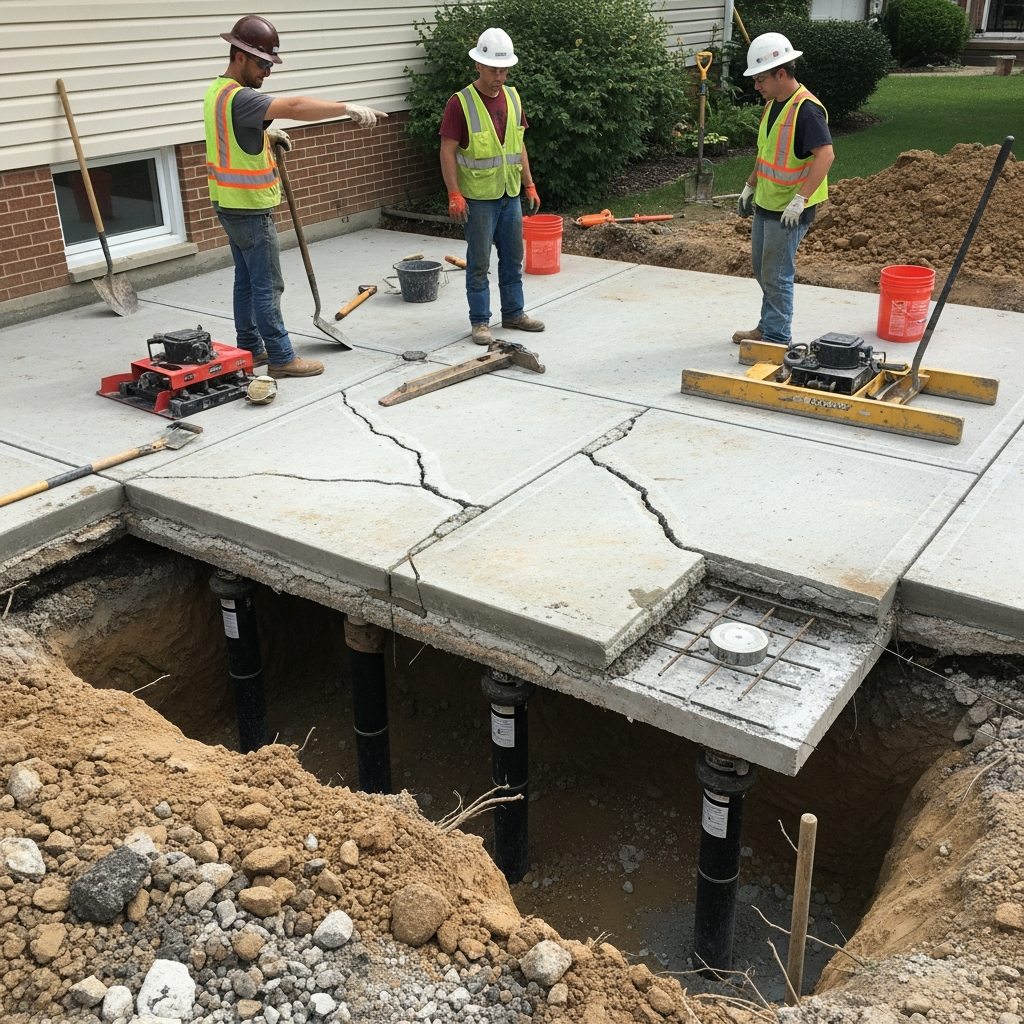
A typical foundation repair project can take anywhere from a few days to several weeks, depending on what you’re dealing with. Minor crack sealing? You might be looking at 1-2 days. Major underpinning or pier installation? That’s easily 2-4 weeks, sometimes longer if weather doesn’t cooperate or if the contractor uncovers additional issues (and trust me, they often do).
The process usually starts with that initial inspection we talked about earlier. Then comes the waiting – and I know, waiting is the worst part when you’re worried about your home’s stability. Most reputable contractors are booked out 2-6 weeks for major work, especially during busy seasons. It’s frustrating, but it’s also a good sign… the contractors who can start tomorrow? Sometimes there’s a reason they’re available.
The Disruption Factor (Because Someone Has to Mention It)
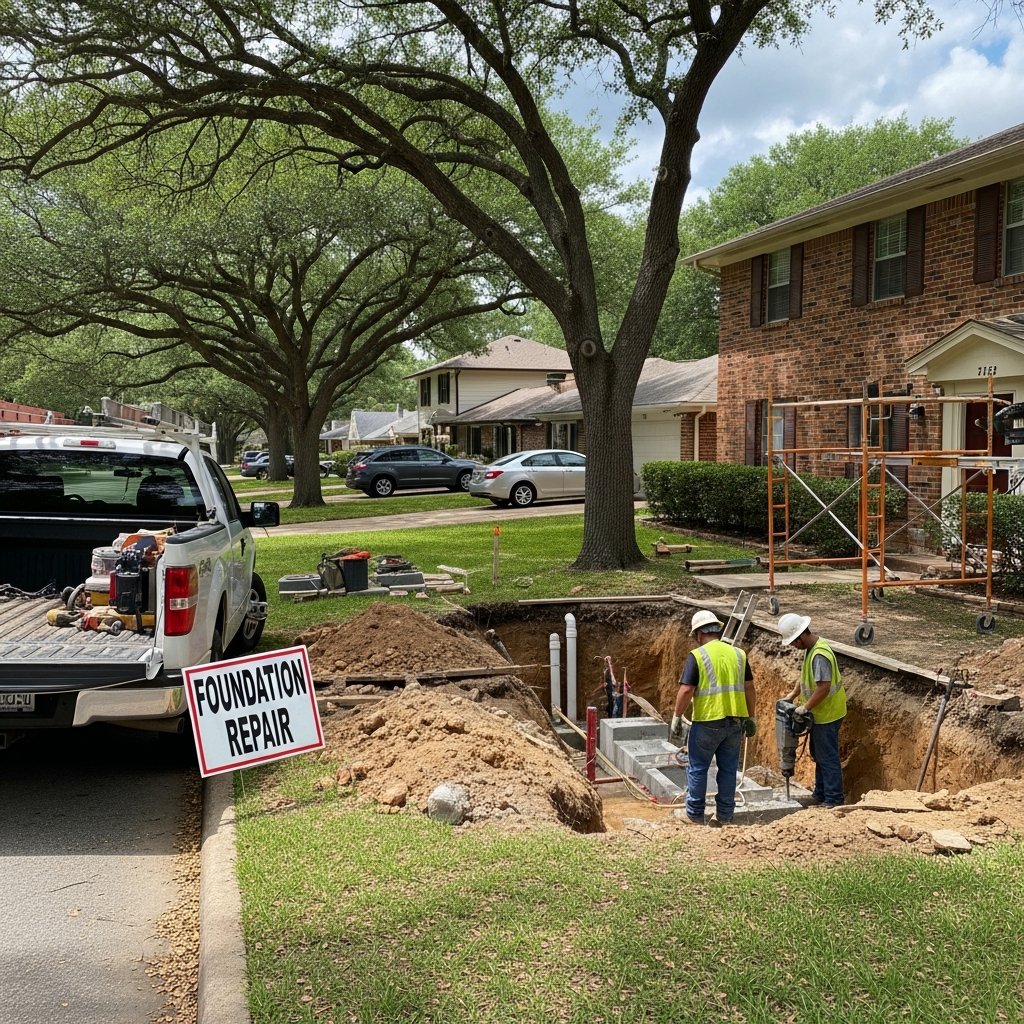
Here’s what nobody really prepares you for – the mess. Foundation work is inherently disruptive. There will be equipment in your yard, possibly trenches around your house, and dust. So much dust. If the work involves your basement or crawl space, expect limited access to those areas.
You might need to move items away from interior walls, and in some cases – though not always – you could experience minor cosmetic damage to drywall or flooring. Most good contractors will discuss this upfront and factor repairs into their quote. The ones who promise “no disruption at all”? Be skeptical.
Actually, that reminds me of something important: if you have a finished basement or you’ve stored family heirlooms down there, move them before work begins. I’ve heard too many stories of contractors who were careful, but accidents happen when you’re dealing with heavy machinery and tight spaces.
Managing Your Expectations (The Good and the Not-So-Good)
After repair work is complete, your foundation should be stable and secure – that’s the goal and what you’re paying for. But here’s the thing… your house has been settling and moving for years, maybe decades. Some of those cosmetic issues – small cracks in drywall, doors that stick slightly, minor floor unevenness – might remain.
Think of it this way: if you’ve been walking with a limp for years, fixing your knee doesn’t automatically fix all the compensatory issues in your hip and back. Houses are similar. Foundation repair stops further damage and stabilizes the structure, but it doesn’t necessarily reverse every single effect of years of movement.
Most contractors will guarantee their structural work for 25-30 years or even lifetime, but cosmetic warranties are typically much shorter – maybe 1-2 years. Make sure you understand what’s covered and what isn’t before signing anything.
Your Next Steps: Don’t Wait, But Don’t Rush Either
If you’ve identified foundation issues, here’s your practical action plan. First, get at least three quotes from licensed, insured contractors. Not two, not one… three. The estimates should be detailed and include timelines, materials, and cleanup procedures.
While you’re getting quotes, document everything. Take photos of all cracks, note any doors or windows that stick, and measure any obvious settling. This creates a baseline and helps you track whether things are getting worse while you’re in the planning phase.
Don’t feel pressured to choose the cheapest option or the contractor who can start immediately. Foundation repair is one of those areas where you truly get what you pay for, and fixing it right the first time is always less expensive than fixing it twice.
Moving Forward with Confidence
Yes, dealing with foundation problems feels overwhelming – kind of like being told you need major surgery when you just came in for a routine checkup. But here’s the encouraging part: foundation repair technology has come a long way, and when done properly, these fixes last for decades.
Most homeowners are surprised by how solid their house feels after proper foundation work. Those subtle vibrations when heavy trucks pass? Gone. That nagging worry every time you see a new crack? Gone too.
The key is working with professionals who understand that your foundation isn’t just concrete and steel – it’s the literal foundation of your family’s security and your financial future. Choose accordingly.
Look, I get it. You’ve been staring at those cracks in your foundation for weeks – maybe months – telling yourself they’re probably nothing. That little voice in your head keeps whispering, “It’s just settling, right?” But deep down, you know better.
Here’s the thing about foundation issues… they’re a lot like those health symptoms we tend to brush off. You know the ones I’m talking about – that persistent ache, the weird feeling that something’s just not quite right. We tell ourselves it’ll go away on its own, but our gut knows when something needs attention.
Trust Your Instincts
Your foundation literally holds up everything you’ve built – your home, your sanctuary, your peace of mind. When it starts sending you signals through those cracks, it’s not being dramatic. It’s trying to tell you something important before a small problem becomes a massive headache.
And honestly? The relief that comes from finally addressing these concerns is incredible. I’ve seen homeowners go from losing sleep over mysterious cracks to sleeping soundly again, knowing they took action before things got worse. That nagging worry that follows you around all day? It doesn’t have to be your constant companion.
You Don’t Have to Figure This Out Alone
The beautiful thing is, you don’t have to become a foundation expert overnight. You don’t need to spend hours researching soil composition or memorizing building codes. That’s what professionals are for – people who live and breathe this stuff, who can look at your specific situation and give you real answers.
Sometimes the crack really is just cosmetic (yes, that happens too). Sometimes it’s a sign of something that needs addressing sooner rather than later. But you won’t know which category you’re dealing with until someone who knows what they’re looking at takes a proper look.
Small Steps, Big Peace of Mind
Starting with a simple inspection doesn’t mean you’re committing to major construction projects or draining your savings account. Think of it like getting a second opinion from your doctor – you’re just gathering information so you can make informed decisions about your home.
Most foundation specialists offer consultations that help you understand exactly what you’re dealing with. No guesswork, no more wondering if that crack grew overnight (spoiler alert: you’re not imagining it when you think it looks bigger).
Ready to Stop Worrying?
If you’re tired of playing the “is it serious or isn’t it?” game with your foundation, we’re here to help you get some real answers. Our team has seen every type of foundation quirk you can imagine, and we know how stressful it can be when you’re not sure what’s happening beneath your feet.
Give us a call, and let’s take a look together. No pressure, no sales pitch – just honest conversation about what’s going on with your home and what your options are. Because you deserve to feel confident about the ground you’re standing on… literally.
Your home has been taking care of you. Now it’s time to take care of it.