What Happens If You Delay Foundation Repair?
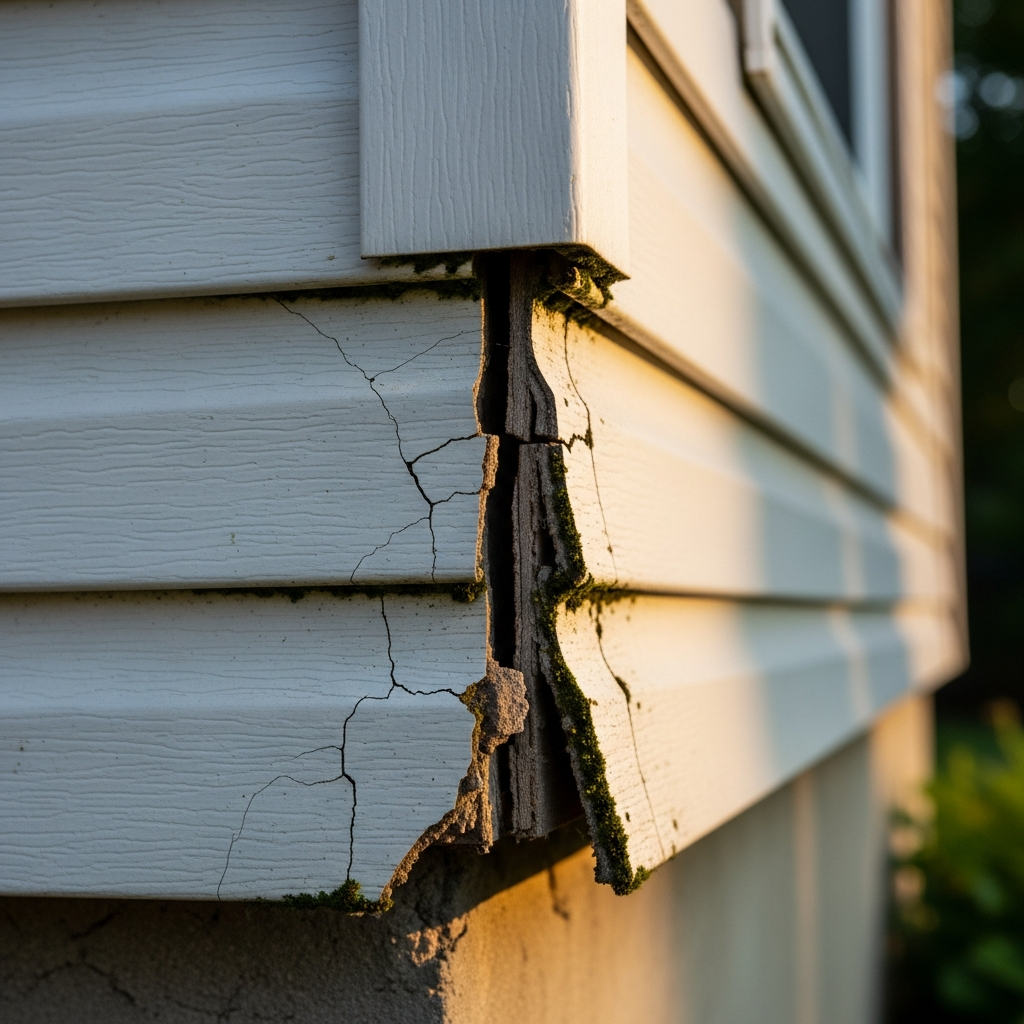
You’re sipping your morning coffee when you notice it again – that hairline crack running down your living room wall that wasn’t there last month. Or maybe it was there, just smaller? You set down your mug and run your finger along it, telling yourself it’s probably nothing. Just the house settling, right? That’s what houses do.
We’ve all been there. Standing in front of some obvious problem in our home, weighing the cost of dealing with it now against the hope that maybe… just maybe… it’ll stop getting worse on its own. It’s like that weird noise your car makes that you turn the radio up to ignore, except this particular “weird noise” is literally the foundation of your home trying to tell you something important.
The thing about foundation issues is they’re masters of disguise. They start small – a tiny crack here, a door that doesn’t quite close right there, maybe some minor settling in one corner. Nothing dramatic. Nothing that screams “emergency!” So you do what most reasonable people do: you add it to your mental list of “things to deal with eventually” and go on with your life.
But here’s where foundation problems differ from, say, a leaky faucet or a squeaky hinge. While you’re busy living your life – dropping kids off at school, managing work deadlines, planning vacations – your foundation is busy too. It’s working overtime, actually. Expanding and contracting with temperature changes, dealing with water infiltration you might not even know about, slowly but steadily getting worse in ways that won’t be obvious until they’re… well, really obvious.
I get it, though. Foundation repair sounds expensive and disruptive. You’re imagining contractors tearing up your landscaping, jackhammers at dawn, and estimates that make your stomach drop. Plus, if you’re like most homeowners, the foundation is this mysterious underground thing you never really think about – until you have to. It’s not like a broken window or a damaged roof where you can see exactly what’s wrong and roughly what it’ll take to fix it.
The truth is, delaying foundation repair is a bit like ignoring a small leak in your roof. Sure, you might get lucky and have a dry spell that makes the problem seem less urgent. But eventually – and it’s always eventually, never never – that small leak becomes a big leak. And that big leak becomes ceiling damage, mold issues, and a repair bill that’s suddenly ten times what it would have been if you’d just dealt with it when you first noticed the problem.
What makes foundation issues particularly tricky is how they ripple through your entire home. Your foundation isn’t just supporting your house – it’s the reason your doors close properly, your floors stay level, and your walls don’t develop those spidery cracks that make visitors ask uncomfortable questions. When your foundation shifts or settles unevenly, it’s like… imagine trying to build a house of cards on a table that someone keeps gently tilting. Everything else has to compensate.
And here’s the part that really gets homeowners: foundation problems don’t just affect your daily comfort and your home’s appearance. They affect your property value in ways that can be absolutely brutal when it comes time to sell. You know that moment when a potential buyer’s inspector finds foundation issues? That’s the sound of your negotiating power evaporating.
But before you start spiraling into worst-case scenarios (trust me, I’ve seen plenty of homeowners go down that rabbit hole), here’s what you need to know: understanding what happens when you delay foundation repair isn’t about scaring you into panic mode. It’s about helping you make informed decisions with realistic timelines and expectations.
We’re going to walk through exactly what unfolds when foundation problems are left unaddressed – not just the dramatic stuff you might imagine, but the subtle, gradual changes that happen month by month, season by season. You’ll learn how to spot the early warning signs your house is sending you, understand the real costs of waiting (both financial and otherwise), and most importantly, figure out what timeline actually makes sense for your situation.
Because sometimes, despite what contractors might tell you, not every foundation issue needs to be fixed immediately…
Why Foundations Fail in the First Place
Your house’s foundation is basically doing the same job as your core muscles – holding everything stable while the world tries to knock it around. And just like those abs you’ve been meaning to work on, foundations can weaken over time if they’re not properly supported.
Most foundation problems start small. Really small. We’re talking hairline cracks that you’d probably walk past without noticing. But here’s the thing about foundations (and this might sound counterintuitive)… they’re actually designed to move a little bit. Clay soil expands when it’s wet, contracts when it’s dry. Your foundation has to roll with those punches.
The trouble starts when that movement becomes uneven. Think of it like trying to do yoga on a waterbed – sure, a little give is fine, but when one side starts sinking faster than the other? That’s when things get messy.
The Sneaky Nature of Foundation Damage
Here’s what makes foundation issues so tricky – they’re masters of disguise. You might think you’re dealing with a cosmetic problem (oh look, another crack in the drywall) when you’re actually looking at the early warning signs of something much bigger.
I’ve seen homeowners spend hundreds patching and repainting cracks, only to watch them reappear a few months later. It’s like putting a band-aid on a broken bone… you’re treating the symptom, not the cause.
The really sneaky part? Foundation problems don’t announce themselves with a dramatic collapse or anything Hollywood-worthy. Instead, they whisper. A door that suddenly doesn’t close quite right. Windows that stick when they never used to. Floors that feel slightly… off.
Understanding Load Distribution (Don’t Worry, It’s Not as Boring as It Sounds)
Think of your house like a giant Jenga tower – every piece depends on the pieces below it to stay put. When your foundation starts shifting, even just a tiny bit, it’s like someone’s been messing with those bottom blocks.
The weight of your house (what engineers call the “load”) needs to be distributed evenly across the foundation. When part of that foundation starts settling or shifting, suddenly other parts have to pick up the slack. It’s like when one person leaves a group project – everyone else has to work harder to compensate.
This is where things get expensive fast. Because once the load distribution gets out of whack, the damage starts cascading upward through your house like dominoes falling in reverse.
The Soil Factor Nobody Talks About
Here’s something that might surprise you – your foundation problems often have less to do with the concrete itself and more to do with what’s underneath it. The soil beneath your house is constantly changing, and most of us never give it a second thought.
Clay soil is particularly notorious for this. When it gets wet, it swells up like a sponge. When it dries out, it shrinks and can leave gaps. Your foundation is basically riding this roller coaster of expansion and contraction, year after year.
Then you’ve got issues like poor drainage (water pooling where it shouldn’t), tree roots that grow too close to the house, or even plumbing leaks that slowly saturate the soil in ways it was never meant to handle.
The Domino Effect Begins
Once foundation movement starts, it creates what I like to call the “cranky house syndrome.” Everything becomes interconnected in ways you never expected. A small settlement in one corner doesn’t just affect that corner – it affects the entire structural system.
Your house frame starts compensating for the uneven foundation. Door frames get tweaked out of square. Windows start binding. The plumbing system, which was installed when everything was level, suddenly has pipes running uphill in places they shouldn’t.
It’s actually pretty remarkable how adaptable houses are – they’ll keep functioning even as things shift underneath them. But that adaptation comes at a cost, and every day of delay means more systems getting stressed beyond their design limits.
The foundation repair industry has a saying: “Time is not your friend.” And honestly? They’re right. Foundation problems are like that small leak in your roof – ignore it long enough, and eventually you’re dealing with rotted wood, mold, and a much bigger repair bill.
Spotting the Early Warning Signs (Before It’s Too Late)
You know that feeling when something’s just… off? That’s your house trying to tell you something. Those hairline cracks above your doorframes aren’t “character” – they’re your foundation’s SOS signal.
Walk around your home with fresh eyes. Look for cracks wider than a quarter-inch, especially the diagonal ones that seem to zigzag up your walls. Doors that suddenly stick or won’t latch properly? That’s not humidity, friend – that’s your house shifting. And if you’ve noticed water pooling where it never did before, or your floors feel like a funhouse… well, you’re looking at foundation movement in real time.
Actually, here’s a trick contractors don’t always share: take photos of any cracks you find and date them. Check back in a month. Growing cracks mean growing problems, and you’ll have documentation for insurance claims or contractor consultations.
The “Band-Aid Fix” Trap (And Why It Always Backfires)
I get it – when you see a crack, your first instinct is to grab some caulk and call it a day. But here’s the thing about foundation issues: they’re like icebergs. What you see is maybe 10% of what’s actually happening.
That crack you’re covering up? It’s just going to pop through your fresh paint job in a few months, probably bigger and angrier than before. Meanwhile, the real problem – soil erosion, water damage, settling – keeps doing its thing underground.
Instead of playing whack-a-mole with symptoms, invest in a proper foundation inspection. Most reputable companies will do this for free or under $500, and trust me, that’s the cheapest money you’ll ever spend on your house. Think of it as a health check-up for your home’s bones.
Creating Your “Foundation First Aid Kit”
While you’re waiting for professional help (or saving up for major repairs), there are some smart moves that can slow the damage
Water is your enemy number one. Get those gutters cleaned and make sure downspouts dump water at least six feet from your foundation. I’ve seen $30 gutter extensions prevent $30,000 foundation repairs – no joke.
Keep that soil around your foundation slightly moist but not soggy. During dry spells, a soaker hose can prevent dramatic soil shrinkage that literally pulls your foundation apart. During wet seasons, make sure water flows away from your house like it’s running from a fire.
Here’s something most people miss: watch your landscaping. Those beautiful oak trees? Their roots can be foundation wreckers. Large shrubs planted too close to your house can also mess with moisture levels and put pressure on foundation walls.
The Money Talk (Because Someone Has to Bring It Up)
Let’s be brutally honest about costs, because that’s probably what’s keeping you up at night. Minor foundation repairs – we’re talking small cracks, basic waterproofing – might run you $3,000 to $7,000. Not fun, but manageable.
But if you wait? Those same issues can balloon into $20,000 to $50,000 nightmares involving piers, excavation, and structural engineers. I’ve seen homeowners who delayed a $5,000 repair end up paying $40,000 two years later. The math is cruel but simple.
Start getting quotes now, even if you’re not ready to pull the trigger. Knowing your options reduces anxiety and helps you budget properly. Many foundation companies offer financing – sometimes even zero percent for qualified buyers.
Building Your Professional Dream Team
Not all foundation contractors are created equal, and honestly? Some are straight-up predatory. Here’s how to separate the pros from the con artists
Look for contractors who do a thorough inspection before giving estimates. If someone quotes you over the phone or after a five-minute walkthrough, keep walking. Legitimate foundation work requires engineering analysis – that takes time.
Get at least three quotes, and don’t automatically go with the cheapest. Ask specifically about their warranty – good companies back their work for decades, not months. Check their Better Business Bureau rating and ask for references from jobs completed at least two years ago.
And here’s a insider tip: schedule consultations during different weather conditions if possible. A contractor who shows up after a heavy rain and points out active water issues? That’s someone who understands how foundations actually behave in the real world.
The bottom line? Your foundation problems aren’t going to resolve themselves with positive thinking and procrastination. But with the right approach – and the right team – you can tackle this before it tackles your bank account.
Why We Keep Putting It Off (And Why That Makes Perfect Sense)
Let’s be honest – you’ve probably known about that foundation crack for months, maybe even years. Every time you walk past it, there’s this little voice saying “I really should call someone about that.” But then life happens. The kids need new shoes, the car needs repairs, and suddenly that crack doesn’t seem so urgent anymore.
Here’s the thing that no one talks about: foundation problems are sneaky. They don’t announce themselves with dramatic crashes or obvious emergencies. Instead, they whisper. A door that sticks a little more each month. A hairline crack that’s… well, maybe it’s grown an inch? It’s hard to tell.
This gradual progression is actually your foundation’s biggest enemy – not because the damage is worse (though it often is), but because it tricks your brain into thinking you have more time than you actually do.
The Money Monster Under the Bed
Let’s tackle the elephant in the room – cost. Foundation repair estimates can make your stomach drop faster than a bad carnival ride. When someone throws around numbers like $8,000 or $15,000, your first instinct is probably to close your eyes and hope it goes away.
But here’s what actually happens when you wait: that $8,000 problem doesn’t stay an $8,000 problem. It invites friends. Plumbing issues join the party when shifting foundations crack pipes. Electrical problems show up when walls move enough to stress wiring. Before you know it, you’re looking at a complete home renovation instead of a foundation fix.
The solution? Get multiple estimates now, while the problem is still contained. Most reputable contractors offer free inspections, and you’re not committed to anything by getting informed. Think of it like going to the doctor for a check-up – you need to know what you’re dealing with before you can make smart decisions.
Finding Contractors You Can Actually Trust
This might be the trickiest part of the whole process. Foundation repair isn’t exactly something most of us shop for regularly – unlike finding a good pizza place or a reliable mechanic, we don’t have much practice spotting the good guys from the… well, the not-so-good guys.
The horror stories are real. Contractors who disappear mid-job. Work that looks good for six months then falls apart. Estimates that somehow triple once the work begins. It’s enough to make anyone want to just live with a slightly slanted floor forever.
Start with your state’s licensing board – this isn’t exciting research, but it’s crucial. A legitimate contractor won’t mind you checking their credentials. Actually, they’ll respect you for it. Look for companies that have been around for at least five years and can provide local references you can actually call.
Here’s a little trick that’s saved many homeowners: ask potential contractors what they’d do if this were their mother’s house. The good ones will give you a thoughtful answer about the most cost-effective approach. The ones to avoid will immediately try to sell you the most expensive option.
When Your Insurance Company Says “Not Our Problem”
Insurance and foundation issues have a complicated relationship. Most standard homeowner’s policies don’t cover foundation problems caused by settling or general wear and tear. But – and this is important – they might cover damage caused by sudden events like plumbing leaks or natural disasters.
The key is documentation. Take photos of everything before you call your insurance company. Note when you first noticed the problems and any events that might have contributed (heavy rains, nearby construction, plumbing issues). Sometimes what looks like “settling” is actually damage from a covered event.
Even if insurance doesn’t cover the foundation repair itself, they might cover secondary damage – like flooring that’s been affected or walls that need repair after the foundation work is complete.
Making Peace with Imperfect Timing
Here’s something no one tells you: there’s never a perfect time to deal with foundation problems. There’s always going to be something else competing for your attention and your budget. But waiting for the “right” time is like waiting for traffic to clear during rush hour – it’s not going to happen.
The most successful approach? Set a deadline for yourself. Pick a date three months from now and commit to having at least gotten estimates by then. Not necessarily having the work done, just knowing what you’re dealing with. Sometimes the fear of the unknown is worse than the reality of the situation.
What to Expect When You Finally Call for Help
Here’s the thing about foundation repair – it’s not like calling a plumber for a leaky faucet. You can’t just schedule it for next Tuesday and be done by dinner. But don’t panic… there’s a process, and understanding it makes everything feel less overwhelming.
Most reputable contractors will want to do a thorough inspection first. We’re talking about crawling around your basement or crawl space with flashlights, taking measurements, maybe even bringing in some specialized equipment. This isn’t a quick 20-minute walkthrough. A proper assessment can take anywhere from 2-4 hours, depending on your home’s size and the complexity of what they’re seeing.
The waiting game starts here – you’ll typically get your detailed report and estimate within a week or two. I know, I know… when you’re staring at that crack every morning with your coffee, two weeks feels like forever. But good contractors are busy (which is actually a good sign), and they need time to crunch numbers, check material costs, and figure out the best approach for your specific situation.
The Reality of Repair Timelines
Once you give the green light, don’t expect work to start immediately. Foundation repair isn’t exactly an “emergency plumbing” kind of business. Most established companies are booked out anywhere from 4-12 weeks, sometimes longer during busy seasons. Spring and early summer? You might be looking at the longer end of that range.
The actual repair work… well, that depends entirely on what you’re dealing with. Minor crack repairs might take just a day or two. But if you’ve let things slide into more serious territory – we’re talking about underpinning, installing piers, or major structural work – you could be looking at 1-2 weeks of active construction.
And here’s something nobody warns you about: foundation work is messy. Really messy. There will be heavy equipment in your yard, workers tramping through your house, and dust… oh, the dust. If you’re working from home or have young kids, you’ll want to plan accordingly.
Managing the Disruption (Because There Will Be Some)
Let’s be honest – foundation repair isn’t exactly a “life goes on as normal” kind of project. Depending on what needs to be done, you might lose access to certain areas of your home for days or weeks. That finished basement you love? Might be off-limits while they work.
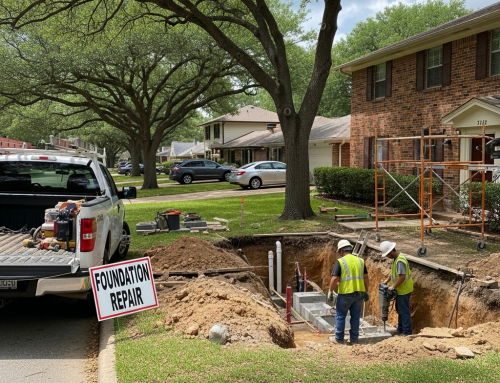
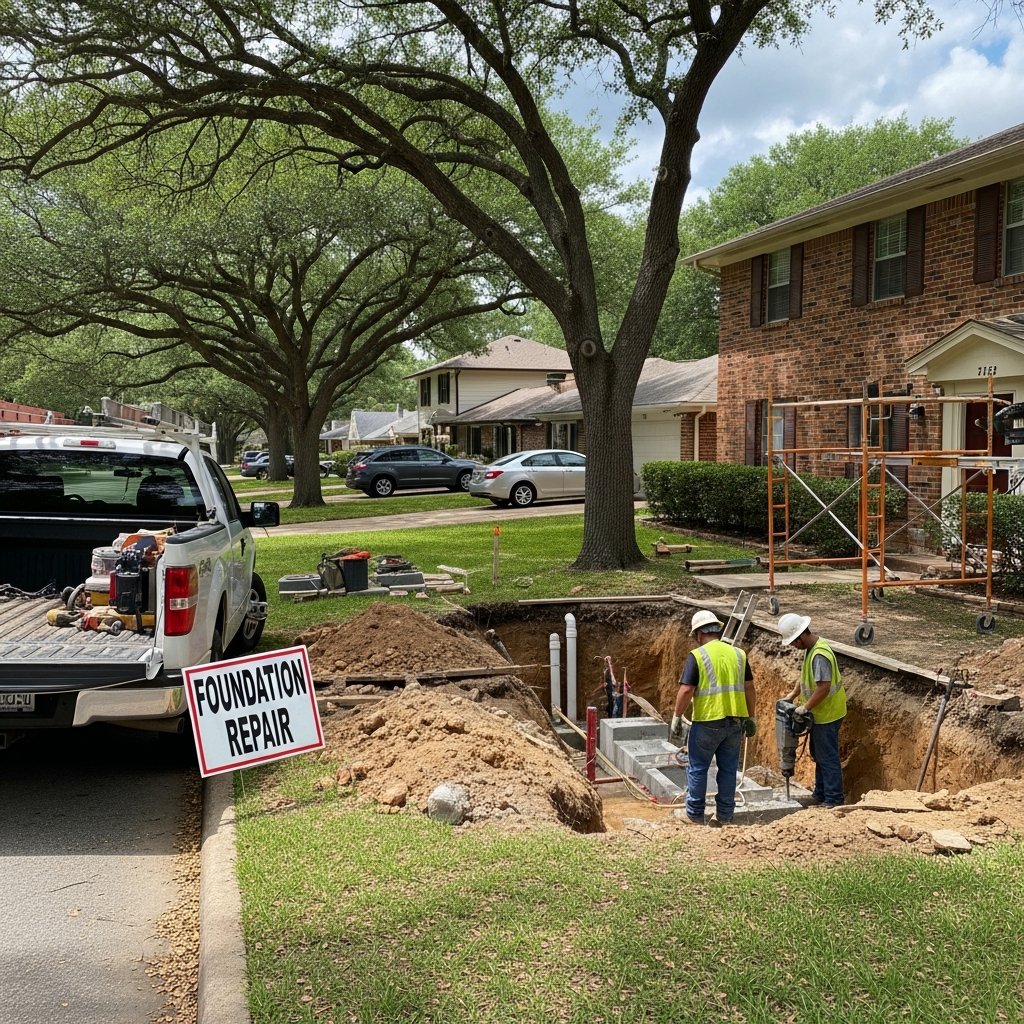
Some repairs require digging around the exterior of your house, which means your landscaping is going to take a hit. Those prize-winning roses by the foundation? Yeah… you might want to transplant them before work begins. Most contractors try to minimize damage, but when you’re dealing with heavy machinery and structural work, some disruption is inevitable.
The good news? Reputable companies will walk you through exactly what to expect and help you prepare. They should also handle permits and inspections – that’s not your headache to deal with.
Looking Beyond the Repair
Once the work is done, you’re not immediately back to “normal.” Many foundation repairs come with a settling period. Doors might stick differently for a while, you might notice minor cracks in drywall as everything adjusts… this is usually normal, but it can be nerve-wracking if you’re not expecting it.
Most contractors will schedule a follow-up visit several months after completion to check how everything is settling. This isn’t because they expect problems – it’s just good practice. Think of it like a post-surgery checkup.
The Investment Reality
I won’t sugarcoat this – foundation repair isn’t cheap. Minor issues might run you a few thousand dollars, but major structural work can easily reach $20,000-50,000 or more. It’s a big number, and it stings.
But here’s what I’ve learned from talking to countless homeowners: the cost of waiting is almost always higher. That $5,000 crack repair you’re putting off? In two years, it might be a $25,000 structural overhaul.
The silver lining? Many foundation repair companies offer financing options, and some repairs may be covered by your homeowner’s insurance (though don’t count on it – most policies exclude foundation issues unless they’re caused by a covered event).
Your Home Will Thank You
Despite the disruption, expense, and stress… getting your foundation properly repaired is one of the best investments you can make in your home. You’ll sleep better knowing your house is structurally sound, and if you ever decide to sell, you won’t have that nagging worry about what a home inspection might reveal.
The Bottom Line? Your Home (And Your Peace of Mind) Deserve Better
Look, I get it. Foundation problems feel overwhelming – like that pile of laundry that somehow keeps growing no matter how much you ignore it. The difference is… well, your laundry won’t cause your walls to crack or your floors to buckle.
Here’s what I’ve learned after years of helping people navigate these tricky waters: the homeowners who sleep best at night are the ones who face foundation issues head-on. Not because they’re braver than the rest of us, but because they understand something important – small problems today beat massive headaches tomorrow.
Think about it this way… you know that feeling when you finally go to the dentist after avoiding them for months? Sure, there might be a cavity or two, but it’s never as catastrophic as your mind made it out to be. Foundation repair often works the same way. What feels like impending doom usually has a straightforward solution – especially when you catch it early.
The financial piece matters too, and I won’t sugarcoat it. Yes, foundation repair costs money upfront. But here’s the thing – those costs don’t shrink with time. They multiply. It’s like compound interest, but working against you instead of for you. A $3,000 repair today could easily become $15,000 next year… or $30,000 if water damage gets involved.
But honestly? The money isn’t even the biggest issue. It’s everything else that comes with foundation problems – the stress, the uncertainty, the nagging worry that keeps you up at night wondering if that new crack means something serious. Your home should be your sanctuary, not a source of constant anxiety.
I’ve watched families put off foundation repairs for years, thinking they’re being financially responsible. What actually happens is they end up spending more money AND dealing with way more disruption to their daily lives. Meanwhile, the neighbor who addressed similar issues right away? They’re sleeping soundly in a stable, secure home.
The good news – and there really is good news here – is that foundation repair technology has come such a long way. Modern solutions are less invasive, more effective, and often completed faster than homeowners expect. Plus, many foundation issues that seem complex actually have relatively simple fixes when addressed promptly.
Ready to Get Some Peace of Mind?
If you’re dealing with foundation concerns, you don’t have to figure this out alone. Whether you’re seeing your first hairline crack or you’ve been watching problems slowly develop, we’re here to help you understand exactly what’s happening with your home.
We offer free inspections because we believe you deserve to know where you stand – no pressure, no pushy sales tactics, just honest answers about your foundation’s condition. Sometimes the news is better than expected. Sometimes there’s work to be done. Either way, you’ll finally know… and that knowledge alone can be incredibly freeing.
Give us a call when you’re ready. We’ll walk through your home together, answer all your questions (even the ones you think might be silly), and help you create a plan that makes sense for your situation and budget. Your home – and your peace of mind – are worth that conversation.