How Foundation Repair Improves Home Value

You know that sinking feeling when you’re showing off your beautiful new kitchen renovation to friends, and someone casually mentions, “Hey, is that crack in your living room wall getting bigger?” Suddenly, all those granite countertops and subway tiles seem less impressive when there’s a hairline fracture snaking across your freshly painted drywall.
Or maybe you’ve been there – scrolling through Zillow, dreaming about your home’s potential value, when reality hits. You remember that slight slope in the hallway floor, the way the front door sticks just a little too much, or how you’ve gotten really good at strategically placing furniture to hide those “character lines” in the walls. We tell ourselves these things add charm, but deep down? We know better.
Here’s the thing nobody talks about at dinner parties: foundation issues are like that friend who overstays their welcome. They start small, seem harmless enough, but gradually make everything else in your life a little more… complicated. Your beautiful hardwood floors develop gaps. Those custom cabinets start hanging crooked. And don’t even get me started on trying to explain away that funhouse-mirror effect in your bathroom tiles to potential buyers.
I’ve spent years working with homeowners who thought they could just live with their foundation quirks – you know, the “it’s not that bad” crowd. And honestly? Sometimes they’re right. A tiny settling crack here and there isn’t the end of the world. But here’s what I’ve learned: the difference between a foundation issue that’s just cosmetic and one that’s actively sabotaging your home’s value often comes down to timing.
Think about it this way – your home’s foundation is basically its spine. When your spine’s out of alignment, everything else compensates, right? Same principle. When your foundation shifts, settles, or develops problems, every other system in your house starts working overtime to adapt. Your plumbing might develop mysterious leaks. Windows and doors become workout equipment (seriously, when did opening the bathroom window become a two-person job?). Your HVAC system struggles to maintain even temperatures because gaps develop where there shouldn’t be gaps.
But here’s where it gets interesting – and this might surprise you. Addressing foundation problems doesn’t just stop the bleeding; it can actually boost your home’s value significantly. We’re not just talking about avoiding the dreaded price reduction when you’re ready to sell. We’re talking about legitimate value creation.
See, most homeowners think of foundation repair as damage control – something you do reluctantly when you absolutely have to. But smart homeowners? They’ve figured out that proactive foundation work is actually an investment strategy. It’s like getting braces for your house – sure, it’s not the most glamorous expense, but the long-term payoff is substantial.
The numbers are pretty compelling when you dig into them. A solid foundation repair doesn’t just prevent future problems (though that’s huge) – it also signals to potential buyers that they’re looking at a well-maintained home where the big-ticket items have been handled professionally. That’s worth real money in today’s market.
And let’s be practical here – you’re probably going to live in your house for a while longer, right? Even if selling isn’t on your radar for the next five years, foundation problems have this annoying habit of making daily life more frustrating. That sticky door becomes your daily nemesis. Those cracks become conversation starters for all the wrong reasons. The uneven floors make furniture placement feel like a geometry problem.
What I want to share with you isn’t just the dollars-and-cents case for foundation repair – though we’ll definitely cover that because who doesn’t love seeing their home equity grow? I want to walk you through the real-world impact of foundation work on everything from your daily comfort to your long-term financial picture. We’ll talk about which foundation issues actually move the needle on home value (spoiler alert: not all of them), how to think about timing and budget, and what buyers actually care about when they’re evaluating your home’s foundation.
Because here’s the truth – your home’s foundation might be underground and out of sight, but its impact on your property value is anything but hidden.
What Your Foundation Actually Does (It’s More Than You Think)
Think of your foundation like the roots of a massive oak tree. You can’t see most of what’s happening underground, but it’s literally holding everything together. Your foundation doesn’t just keep your house from sinking into the earth – though that’s definitely part of it. It’s distributing the entire weight of your home evenly across the ground, kind of like how snowshoes spread your weight so you don’t fall through snow.
But here’s where it gets interesting… your foundation is also fighting a constant battle against water, soil movement, and time itself. It’s like a silent guardian that never gets a day off.
The Sneaky Ways Foundations Fail
Foundation problems are masters of disguise. They rarely announce themselves with dramatic collapses or obvious cracks (though sometimes they do). More often, they’re the quiet troublemakers behind that door that suddenly won’t close properly, or those hairline cracks that seem to appear out of nowhere on your walls.
Settlement is probably the most common culprit – and honestly, it sounds scarier than it usually is. All houses settle to some degree. It’s when the settling becomes uneven that you’ve got problems. Imagine placing a heavy book on a soft pillow versus a firm table. The pillow gives way unevenly, creating dips and angles where everything should be level.
Then there’s soil movement, which… well, soil isn’t as stable as we’d like to think. Clay soils expand when wet and shrink when dry – sometimes dramatically. It’s like living on a giant, slow-motion sponge that’s constantly changing size.
Why Buyers Get Nervous About Foundation Issues
Here’s something that might surprise you: foundation problems scare potential buyers more than almost any other home issue. More than outdated kitchens, more than old roofing, sometimes even more than electrical problems.
Why? Because most people think foundation repair means you’re basically rebuilding the house from the ground up. They imagine jackhammers, bulldozers, and astronomical costs. The reality is usually much less dramatic, but that perception – fair or not – absolutely impacts your home’s marketability.
It’s also about trust. When buyers see foundation issues, they start wondering what else might be wrong. It’s like finding one cockroach in a restaurant kitchen… your mind immediately starts imagining what you can’t see.
The Real Cost of Doing Nothing
Ignoring foundation problems is like ignoring a small leak in your roof. Sure, it might not seem urgent today, but water damage has a way of spreading. Foundation issues create a domino effect that can impact everything from your flooring to your windows to your plumbing.
I’ve seen homeowners spend thousands trying to fix doors that won’t close, cracks that keep reappearing, and floors that creak and sag – all while avoiding the underlying foundation issue that’s causing these symptoms. It’s like taking pain medication for a broken bone without setting the bone itself.
When Foundation Repair Actually Adds Value
Now here’s where things get counterintuitive. While foundation problems definitely hurt your home’s value, properly completed foundation repairs can actually increase it. Strange, right?
Think about it this way: a house with documented, professionally repaired foundation issues often has more buyer confidence than a house with unknown foundation status. It’s like buying a used car that just had its transmission rebuilt versus one where you have no idea about the transmission’s condition.
The key word here is “properly.” We’re talking about professional repairs with warranties, engineering reports, and permits where required. Not DIY concrete patches or Band-Aid solutions that might hold for a few months.
The Engineering Behind Modern Solutions
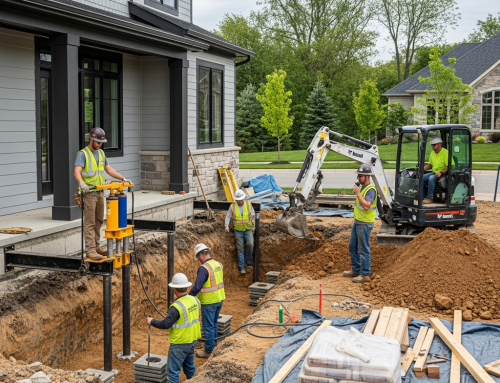
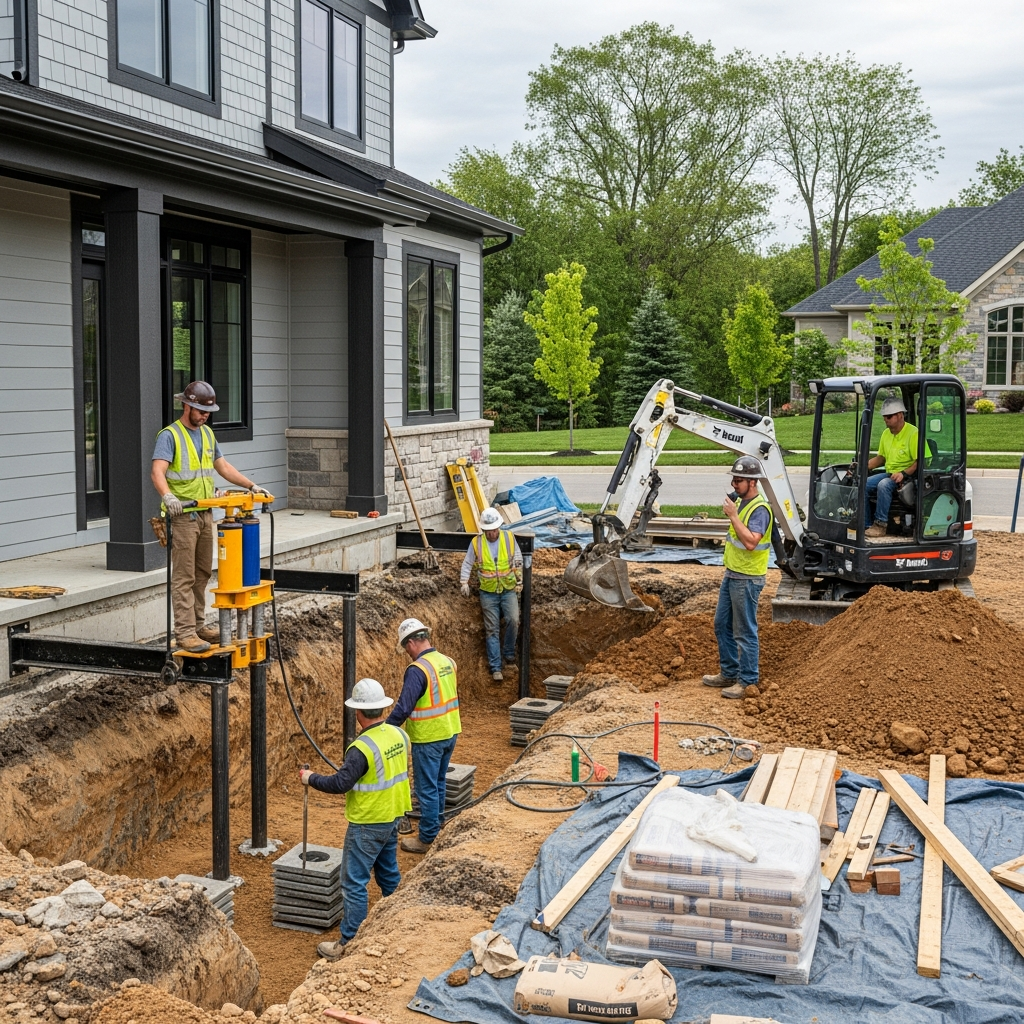
Today’s foundation repair isn’t your grandfather’s concrete pour-and-pray approach. Modern techniques like helical piers, steel push piers, and polyurethane injection are… well, they’re pretty impressive actually.
These solutions work with engineering principles rather than against them. Instead of fighting soil movement, they work around it. Instead of just adding more concrete, they address the root causes of instability.
It’s sophisticated stuff – the kind of technology that makes structural engineers genuinely excited (and trust me, it takes a lot to excite a structural engineer).
Start With a Professional Foundation Assessment
Before you even think about putting your house on the market, get a foundation inspection from a structural engineer – not just a contractor looking for work. I know, I know… it’s another expense when you’re already thinking about moving costs. But here’s the thing – you want to know exactly what you’re dealing with before a buyer’s inspector finds problems and uses them as negotiation ammunition.
A professional assessment costs around $300-600, but it can save you thousands in the long run. Plus, having that documentation in hand shows potential buyers you’re proactive about maintenance. It’s like having your medical records ready when you switch doctors – it builds confidence.
Time Your Repairs Strategically
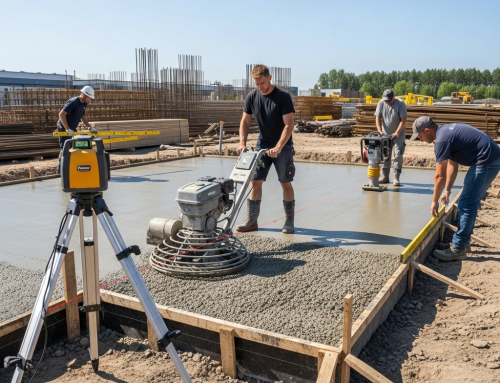
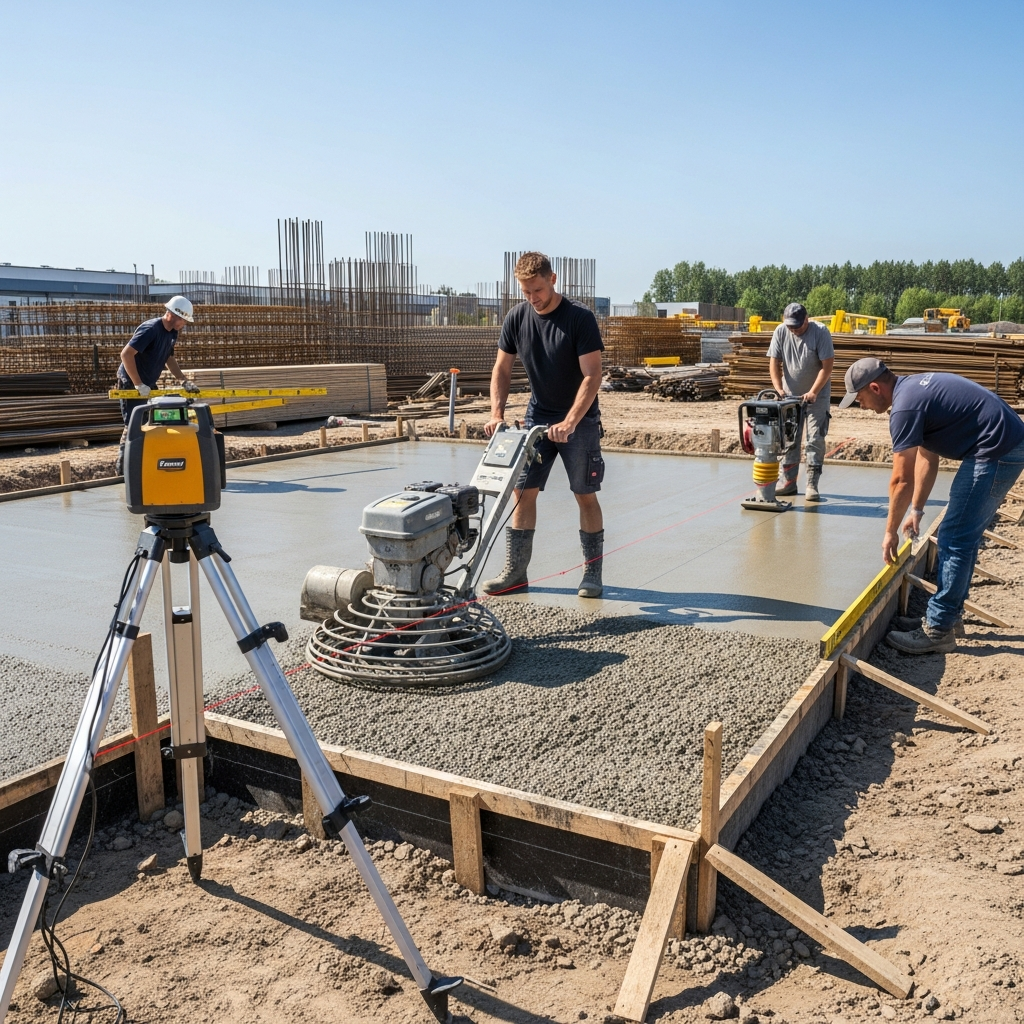
This is where most homeowners mess up… they wait until they’re ready to sell to address foundation issues. Big mistake. Foundation repairs take time – sometimes weeks for concrete to cure properly – and you don’t want to be dealing with construction chaos while showing your home.
Start foundation work at least 3-4 months before listing. This gives everything time to settle (literally), and you can document the improvement over time. Take photos throughout the process – buyers love seeing the transformation from problem to solution.
Actually, here’s something most real estate agents won’t tell you: if you can show before-and-after photos of foundation work, plus warranties and permits, you’re not just fixing a problem – you’re creating a selling point.
Document Everything Like Your Sale Depends On It
Keep every single piece of paper related to your foundation work. Permits, warranties, inspection reports, contractor licenses, material receipts – everything. Create a “Foundation File” that you can hand to potential buyers or their inspectors.
This documentation serves two purposes. First, it proves the work was done professionally and legally. Second – and this is crucial – it shows the extent of what’s already been handled. When buyers see comprehensive records, they’re less likely to worry about hidden foundation problems elsewhere in the house.
Pro tip: if your contractor offers a transferable warranty, pay the extra fee. A 10-year warranty that transfers to the new owner can add serious value to your sale.
Focus on the Money-Making Repairs First
Not all foundation problems are created equal when it comes to home value. If you’re working with a limited budget (and who isn’t?), prioritize repairs that give you the biggest bang for your buck.
Structural cracks – especially those affecting load-bearing walls – need immediate attention. These scare buyers more than almost anything else. Drainage issues that cause water intrusion? Also high priority, because they suggest ongoing problems.
Minor settling cracks in non-structural areas? You can often address these with some strategic cosmetic work and still pass inspection. It’s not about hiding problems – it’s about smart allocation of your repair budget.
Market Your Foundation Work as a Feature
Here’s where you flip the script entirely. Instead of treating foundation repairs as damage control, position them as upgrades. Your listing should highlight “recently reinforced foundation with transferable warranty” or “comprehensive waterproofing system installed 2024.”
Think about it – a buyer looking at your house versus one down the street with unknown foundation conditions? Yours becomes the safer bet. You’ve essentially removed a major uncertainty from their purchase decision.
Get Creative with Financing Solutions
Sometimes the best foundation repair strategy involves thinking outside the box about payment. Many contractors offer financing options, and some repairs might qualify for home improvement loans with better terms than credit cards.
If you’re planning to sell within a year, consider asking contractors about payment plans that let you spread costs across several months. This can help with cash flow while you’re preparing to move.
The Follow-Up That Seals the Deal
After repairs are complete, don’t just move on. Schedule a follow-up inspection with the same engineer who did your initial assessment. Having a professional sign off that all issues have been properly addressed? That’s gold in a real estate transaction.
Some sellers even include a home warranty that covers foundation work for the first year after sale. It’s a small investment that can eliminate buyer hesitation and sometimes justify a higher asking price.
Remember – foundation problems feel overwhelming because they’re literally about your home’s stability. But when handled properly, foundation repairs don’t just solve problems… they become proof points of your home’s quality and your commitment to proper maintenance.
When Reality Hits: The Sticker Shock Problem
Let’s be honest – nobody budgets for foundation repair. It’s like finding out you need a root canal when you were planning a vacation. The estimates can range from a few thousand to… well, let’s just say you might need to sit down when you hear some of those numbers.
Here’s the thing though – and I’ve seen this play out countless times – homeowners often get paralyzed by that initial quote. They’ll get one estimate, feel sick to their stomach, and then just… wait. Hope it goes away. Spoiler alert: it doesn’t.
The solution? Get multiple estimates, but more importantly, understand what you’re actually paying for. A $15,000 quote isn’t automatically better than a $25,000 one if the first contractor is basically putting a band-aid on a broken bone. Ask detailed questions. What’s included? What warranty do they offer? Are they addressing the root cause or just the symptoms?
And here’s something most people don’t consider – financing options have gotten way better in recent years. Many contractors now work with companies that offer reasonable payment plans. Sometimes fixing it now (even with financing costs) beats watching your home value tank while the problem gets worse.
The “Good Enough” Trap
This one drives me crazy because I see it all the time. A homeowner notices some settling, maybe a few cracks, and thinks “eh, it’s not that bad yet.” They’ll point to their neighbor’s house that’s practically leaning and say “at least we’re not there.”
But foundation problems are like that friend who always shows up uninvited – they never get better on their own, and they usually bring more problems with them. What starts as a small crack becomes water intrusion, which becomes mold issues, which becomes… you get the picture.
The real challenge here is that foundation problems often happen gradually. You adapt without realizing it – you learn to push a little harder on that sticking door, you get used to the sloping floor in the kitchen. Before you know it, you’re living in a house that’s literally falling apart around you.
The reality check: Take photos of problem areas every few months. Document changes. Sometimes seeing the progression visually is the wake-up call you need. And remember – every day you wait is potentially money out of your pocket when you eventually sell.
Finding Contractors You Can Actually Trust
Oh boy, this industry has some characters. I’ve heard horror stories that would make you want to never let anyone near your foundation. The guy who disappears halfway through the job. The “contractor” whose business address is a PO box. The one who quotes you Tuesday and by Friday is suddenly adding mysterious “complications” that’ll cost extra.
Here’s what trips people up – they focus too much on price and not enough on credentials. A foundation repair gone wrong doesn’t just cost you money; it can make your house literally unsellable.
Your homework assignment: Check their license (seriously, call the state board). Look up their insurance. Ask for local references from jobs completed in the last year – not five years ago. Drive by a couple of their recent projects if possible. A good contractor will be proud to show off their work.
Also, trust your gut. If something feels off during that initial consultation – maybe they’re pushing you to sign immediately, or their explanation doesn’t make sense – walk away. There are good contractors out there; you just have to be willing to do the legwork to find them.
The Timeline Tango
Here’s where expectations meet reality, and it’s not always pretty. Foundation repair isn’t like painting a room. Weather matters – you can’t pour concrete in a downpour. Permits take time. Sometimes they start digging and discover complications that weren’t visible from the surface.
The challenge is that most homeowners want it done yesterday, especially if they’re trying to sell. But rushing foundation work is like rushing surgery – it rarely ends well.
The smart approach: Plan for longer than quoted, and communicate openly with your contractor about your timeline concerns. If you’re selling, let your realtor know what’s happening. Sometimes being transparent about ongoing professional repairs actually helps with buyers rather than hurts.
Most importantly? Don’t let timeline anxiety push you into choosing the wrong contractor just because they promise to start immediately. Good contractors usually have a bit of a wait – and that’s actually a good sign.
What to Expect During the Process
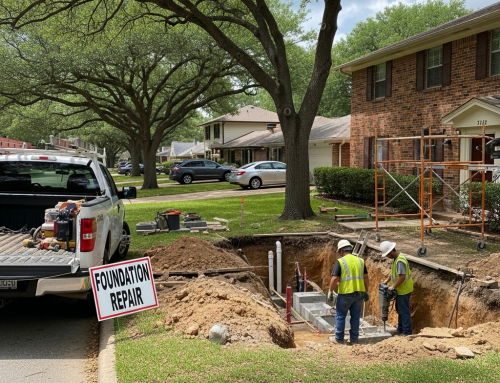
Let’s be honest – foundation repair isn’t exactly a weekend DIY project. You’re looking at anywhere from a few days to several weeks, depending on what needs fixing. Minor crack repairs? Maybe 2-3 days. But if we’re talking about underpinning or major structural work… well, that’s more like 2-3 weeks.
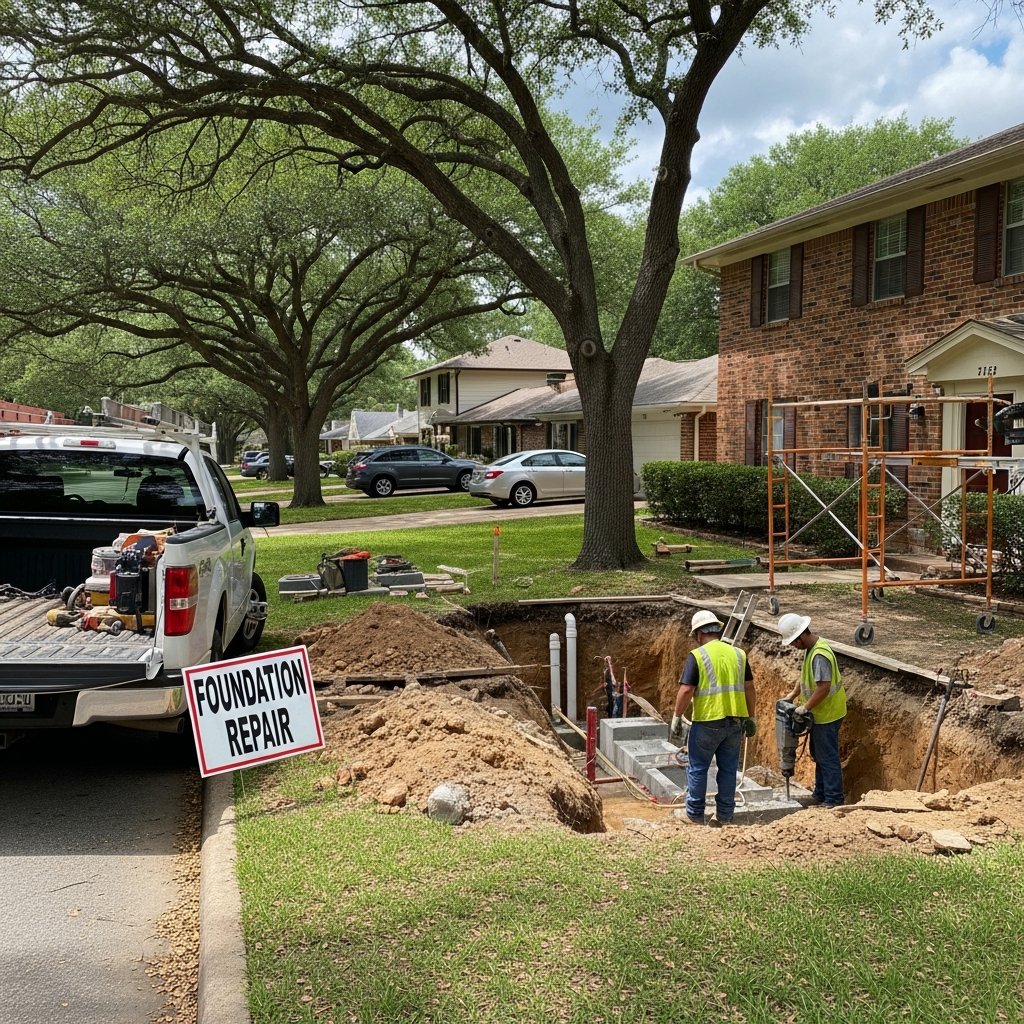
Here’s the thing most people don’t realize: the prep work takes longer than the actual repair. Your contractor needs to excavate around your foundation, which means – sorry – your landscaping is going to take a hit. Those prize-winning roses might need to be temporarily relocated, and yes, your yard will look like a construction zone for a while.
The noise factor is real too. Foundation work involves heavy machinery, jackhammers, and concrete mixers. Your neighbors might not be thrilled (though they’ll appreciate your home’s improved value later). Most contractors work during standard business hours, which is a blessing if you work from home… or maybe not, depending on how you handle the soundtrack of progress.
Weather plays a bigger role than you’d think. Rain delays are common – you can’t pour concrete in a downpour, and wet soil makes excavation tricky. If you’re planning foundation work, spring and fall are typically your best bets. Summer heat can actually help with curing times, but winter? That’s when things get complicated.
Managing the Financial Investment
Foundation repair costs can feel overwhelming – we’re talking anywhere from $3,000 for minor fixes to $30,000+ for extensive work. But here’s what I always tell homeowners: think of it as paying now or paying more later.
Most reputable contractors offer financing options because, frankly, not everyone has twenty grand sitting in their checking account. Some even work with your insurance company if the damage stems from a covered event. Just… don’t expect insurance to cover everything. They’re pretty good at finding reasons why foundation issues are “maintenance related.”
Get at least three quotes, but don’t automatically go with the cheapest. That guy who’s $5,000 under everyone else? There’s probably a reason. Look for contractors who explain the process clearly, show up on time for estimates, and don’t pressure you to sign immediately.
Actually, that reminds me – be wary of door-to-door foundation “specialists” who just happened to be working in your neighborhood. Legitimate contractors don’t typically drum up business that way.
Living Through the Disruption
Your daily routine is going to get scrambled. Access to certain parts of your home might be limited. If they’re working on your basement, forget about using it as your home office for a while. The vibrations from heavy equipment can rattle dishes, set off car alarms, and generally make life interesting.
Dust happens. Even with the best precautions, some will find its way inside. Cover furniture in work areas and maybe invest in a good air purifier. Your HVAC system will thank you later.
If you’ve got pets, plan ahead. Dogs don’t love strangers with loud tools invading their territory, and cats… well, cats will judge you silently from whatever hiding spot they choose. Some homeowners arrange pet daycare during the noisiest phases.
After the Work is Complete
Here’s where patience pays off – literally. Your home’s value won’t magically increase the day the last truck pulls away. The real estate market needs time to recognize and reward your investment. We’re talking months, not days, before you’ll see the full impact on your home’s value.
You’ll get a warranty – typically 10-25 years for major work – but keep those documents safe. Future buyers will want to see them, and they’re pure gold for your home’s marketability. Schedule regular inspections as recommended. It’s like going to the dentist… annoying but necessary.
The aesthetic recovery takes time too. New concrete needs to cure and weather. Landscaping needs to be restored. Your yard might look rough for a season or two while everything settles – both literally and figuratively.
But here’s the payoff: you’ll sleep better knowing your foundation is solid. Every creaky door that now closes properly, every crack that’s no longer growing… these small victories add up to significant peace of mind. And when you’re ready to sell? Well, that’s when all this disruption transforms into dollars.
You know what’s interesting? Most homeowners think of foundation work as this massive, overwhelming expense – like getting a root canal or replacing the roof. But here’s the thing: it’s actually one of the smartest investments you can make. While you’re fixing a problem that absolutely needs addressing, you’re also quietly boosting your home’s worth in ways that’ll surprise you.
Think about it this way – when you walk through a house and everything feels solid, level, and right… you don’t really notice it consciously, but your brain registers “this place is well-maintained.” That’s the kind of confidence foundation repair gives potential buyers. They’re not wondering if the cracks in the basement wall mean bigger problems lurking underneath.
The Ripple Effect Really Adds Up
What I love about foundation work is how it creates this positive domino effect throughout your home. Those doors that wouldn’t close properly? Fixed. The gaps around windows that let in drafts? Gone. That slight slope in the kitchen floor that made you feel like you were walking uphill? Level again.
And honestly, there’s something to be said for the peace of mind factor. When your foundation is solid, you sleep better at night. No more lying there wondering if that crack got bigger, or if you should be worried about that settling sound you heard last week.
Your Home Tells a Story
Every house has a story, and foundation repair helps ensure yours is one of care and attention rather than neglect. Real estate agents will tell you – homes with documented foundation repairs actually sell better than homes where the problems were just… ignored. It shows you’re the kind of homeowner who tackles issues head-on rather than hoping they’ll magically disappear.
The financial returns speak for themselves, but the emotional return? That’s harder to quantify. There’s real value in loving where you live again, in feeling proud when friends come over instead of secretly hoping they don’t notice the uneven floors.
You Don’t Have to Figure This Out Alone
Look, I get it. Foundation issues can feel overwhelming, and the internet is full of horror stories and conflicting advice. But here’s what I’ve learned after years of helping families navigate this stuff – the right professional makes all the difference. Not someone who’s going to pressure you or try to upsell you on things you don’t need, but someone who genuinely wants to help you protect your investment.
If you’re dealing with foundation concerns – whether it’s obvious cracks or just that nagging feeling that something isn’t quite right – reaching out for a professional assessment is probably the best next step. Most reputable companies will give you an honest evaluation without any pressure. They’ve seen it all, and they can help you understand exactly what you’re dealing with and what your options are.
Your home is likely your biggest investment, and it deserves the same kind of attention you’d give any other valuable asset. You’ve already taken the first step by educating yourself. Now it’s just about finding the right partner to help you move forward with confidence.