Dallas Foundation Repair: Common Problems and Solutions
You’re sipping your morning coffee when you notice it – that hairline crack running down your living room wall that definitely wasn’t there last month. Or maybe it’s the way your front door suddenly refuses to latch properly, no matter how hard you slam it. Perhaps you’ve started avoiding that one spot in the hallway because the floor feels… well, a little bouncy.
Welcome to homeownership in Dallas, where the ground beneath your feet has a personality all its own.
Here’s the thing about our beloved Big D – it sits on some of the most dramatically shifting soil in the country. Clay soil, to be exact. The kind that swells up like a proud peacock when it rains, then shrinks back down during our scorching summers like it’s trying to hide from the heat. And your house? It’s just along for the wild ride.
You might be thinking, “But my house is only five years old!” or “The previous owners never mentioned foundation issues!” Trust me, I get it. Foundation problems feel like one of those things that happen to other people – until they’re happening to you. And in Dallas, they happen to a lot of us.
The tricky part is that foundation issues don’t always announce themselves with dramatic fanfare. They’re more like that friend who gradually changes their personality over months until one day you realize they’re completely different. Your doors start sticking. Cracks appear and disappear. Your floors develop mysterious squeaks. Before you know it, you’re googling “foundation repair Dallas” at 2 AM, wondering if that estimate you’re dreading is going to cost more than your car.
But here’s what I want you to know right up front – foundation problems aren’t a death sentence for your home or your bank account. They’re incredibly common in our area, which means solutions are well-established, contractors know what they’re doing (mostly), and you’re definitely not the first person on your block to deal with this.
Actually, that reminds me of my neighbor Sarah. She spent months convinced her house was “settling” (whatever that means) and ignoring all the warning signs. By the time she called in a professional, what could have been a $3,000 fix had turned into a $12,000 nightmare. Don’t be Sarah.
The thing is, Dallas foundation repair isn’t some mysterious black art. It’s a science – one that’s been perfected over decades of dealing with our particular brand of soil shenanigans. Whether we’re talking about pier and beam foundations that need releveling or slab foundations showing signs of stress, there are proven methods that work.
In the next few minutes, we’re going to walk through everything you need to know. Not in some technical manual way that puts you to sleep, but like we’re sitting on your back porch figuring this out together.
We’ll start with the warning signs – and I mean all of them, not just the obvious cracks. Some of these might surprise you. Then we’ll dig into what actually causes foundation problems here in Dallas (spoiler alert: it’s not just the soil, though that’s definitely the main character in this story).
You’ll learn about the different types of foundation damage you might encounter – because yes, there are different types, and the solution for one isn’t necessarily the solution for another. We’ll explore repair methods that actually work, from the high-tech solutions that sound like science fiction to the tried-and-true approaches that have been keeping Dallas homes stable for generations.
We’ll also tackle the elephant in the room – cost. What should you expect to pay? When is a repair worth it, and when might you be throwing good money after bad? How do you tell the difference between a contractor who knows their stuff and one who’s just really good at sales presentations?
And because this is Dallas, we’ll talk about prevention. Because while you can’t control the weather or the clay soil, there are absolutely things you can do to give your foundation the best fighting chance.
So take a deep breath. Pour another cup of coffee. Your foundation problems are solvable – let’s figure out how.
Why Dallas Soil Makes Foundation Work So… Complicated
You know how some people seem to handle stress really well, while others fall apart at the first sign of trouble? Well, Dallas foundations are dealing with some seriously moody soil that changes personality faster than a teenager.
The thing is, most of North Texas sits on what’s called expansive clay soil. Think of it like a giant sponge made of Play-Doh – when it gets wet, it swells up dramatically, and when it dries out, it shrinks just as much. Your house is basically sitting on this temperamental foundation that’s constantly doing the cha-cha underneath it.
Clay soil can expand up to 10-12% of its original volume when saturated. That might not sound like much until you realize we’re talking about the ground literally lifting your house up several inches, then dropping it back down when things dry out. It’s like your home is doing slow-motion jumping jacks whether it wants to or not.
The Moisture Merry-Go-Round
Here’s where it gets really interesting (and honestly, a bit maddening). Dallas weather is basically designed to mess with foundations. We’ll get those gorgeous spring rains that soak everything, followed by blazing summer heat that bakes the ground into concrete-hard chunks.
During wet periods, that clay soil drinks up water like it’s been wandering in the desert for weeks. Your foundation starts getting pushed upward – what engineers call “heaving.” Then summer hits with its 100+ degree days, and suddenly all that moisture evaporates. The soil shrinks, creating gaps and voids under your foundation.
It’s like having a supportive friend who randomly decides to disappear right when you need them most. One day your foundation has solid support underneath, the next day it’s hanging in mid-air over empty space.
Actually, that reminds me – this is why you’ll see those huge cracks in the ground during really dry spells. Those aren’t just cosmetic issues; they’re telling you exactly what’s happening under your house too.
When Foundations Fight Back (Or Give Up)
Concrete foundations are pretty tough, but they’re not flexible. They’re more like a really strong cookie – great under normal stress, but if you bend them too much, they snap. When that soil underneath starts its expansion and contraction dance, something’s got to give.
Concrete slabs – the most common foundation type in Dallas – handle vertical movement about as well as you’d expect. Which is to say, not great. They can crack, settle unevenly, or develop what’s basically foundation seasickness where different parts of your house are moving at different rates.
Pier and beam foundations have a bit more flexibility built in, kind of like a suspension bridge versus a solid concrete overpass. But even they can struggle when the support posts start shifting or the wooden components start dealing with moisture changes.
The Plumbing Plot Twist
Here’s something that catches a lot of homeowners off guard – your plumbing can actually make foundation problems worse. Those older cast iron pipes that run under your slab? They corrode over time, especially in our mineral-rich Texas soil. When they start leaking, they’re essentially creating their own little underground irrigation system.
This extra moisture doesn’t just disappear; it soaks into that clay soil we talked about, creating localized swelling right under specific parts of your house. It’s like having a foundation problem with a very precise target – usually right under your bathroom or kitchen.
The tricky part is that these leaks often happen so slowly that you don’t notice them until you’re dealing with both a plumbing repair bill and a foundation repair estimate. Fun times, right?
Reading the Warning Signs
Your house is actually pretty good at telling you when something’s wrong – you just need to know what language it speaks. Those hairline cracks that appear seemingly overnight? That’s not normal settling. Doors that suddenly stick or won’t latch properly? Your house is literally changing shape.
Windows that won’t open smoothly, gaps appearing between the wall and ceiling, or floors that feel slightly uneven – these aren’t just minor annoyances. They’re your foundation’s way of sending up flares saying, “Hey, we need to talk.”
The thing is, catching these signs early makes a huge difference in both the complexity and cost of repairs. It’s the difference between a minor adjustment and major surgery.
When to Call the Pros (And When You Can Handle It Yourself)
Let’s be honest – foundation repair can feel overwhelming, especially when you’re staring at a crack in your wall wondering if your house is about to collapse. Here’s the thing: not every foundation issue requires a $20,000 fix. Some problems you can actually tackle yourself, while others… well, let’s just say that’s when you need to speed-dial the experts.
Small hairline cracks (we’re talking thinner than a credit card) that appear in your walls after our notorious Texas weather swings? Those might just be cosmetic. You can monitor them with a simple trick – take a photo next to a quarter for scale, then check back in a few months. If they’re growing, that’s your cue to call in reinforcements.
But here’s where I draw the hard line: if you’ve got cracks wider than a quarter-inch, doors that suddenly won’t close properly, or – and this is a big one – any crack that’s both horizontal *and* stair-stepping along mortar joints… don’t even think about the DIY route. These are red flags that scream “structural issue.”
The Dallas Timing Game (Weather Is Everything)
You know how we always joke that if you don’t like Dallas weather, just wait five minutes? Well, that unpredictability is actually crucial for foundation work timing. The best time for major foundation repairs here isn’t when most people think.
Everyone assumes spring is ideal, but actually, late fall through early winter gives you the sweet spot. The ground has stabilized from summer’s drought stress, but you haven’t hit the freeze-thaw cycles yet. Plus – and this is the insider tip – contractors are often more available and sometimes offer better pricing during slower months.
Summer repairs? Possible, but you’ll be fighting against soil that’s actively shrinking. It’s like trying to fix a moving target. Winter work can be tricky if we get one of those surprise ice storms, but honestly, foundation issues don’t wait for perfect weather.
Reading Your House’s Warning Signs (The Subtle Stuff)
Your house talks to you constantly – you just need to learn its language. That door that used to swing shut on its own but now stays open? That’s not the hinges getting old, that’s your foundation shifting.
Here’s a trick most homeowners don’t know: grab a marble and place it on your floors in different rooms. I’m serious. If it consistently rolls toward one corner or wall, your foundation is telling you something important.
Look up at your ceilings too. See those tiny cracks where the wall meets the ceiling? Most people paint over them thinking they’re just settling cracks, but if they keep coming back after you’ve painted… that’s your foundation speaking up.
And here’s something that’ll save you headaches – document everything with photos. Not just for insurance purposes, but because foundation movement is gradual. You won’t notice that crack growing from week to week, but comparing photos from three months apart? That’s when patterns become obvious.
The Money Talk (What You Actually Need to Budget)
Let’s cut through the scary stories you’ve heard about foundation repair costs. Yes, major foundation work can run $15,000-$30,000, but that’s for serious structural issues. Most Dallas homeowners dealing with typical clay soil problems are looking at $3,000-$8,000 for targeted repairs.
Here’s what affects your final bill: accessibility (can crews easily get to the problem areas?), the extent of damage, and honestly – the company you choose. Get three quotes, but don’t automatically go with the lowest bid. The guy who quotes half of everyone else’s price is either missing something or cutting corners you’ll regret later.
Also, factor in ongoing maintenance costs. A good foundation repair should come with recommendations for preventing future issues – proper drainage, soil management, maybe a moisture barrier. Skipping these follow-up steps is like getting your car’s engine rebuilt but never changing the oil again.
Making the Final Call
When that foundation repair estimate lands in your email, take a breath. This isn’t usually an emergency situation despite how it feels. Good companies will explain not just what they’re fixing, but why the problem happened and how to prevent it from recurring.
Trust your gut about the contractor, but verify everything. Check their Better Business Bureau rating, ask for local references, and make sure they’re properly licensed in Texas. The foundation repair industry has its share of… let’s call them “aggressive salespeople.” The right contractor will educate you, not pressure you.
When Your Foundation Becomes Your Biggest Worry
You know that sinking feeling when you notice your first crack? Not the kind in your morning coffee mug – the kind creeping up your living room wall. Suddenly, every little settling sound has you wondering if your house is about to slide into the neighbor’s yard.
Here’s the thing about foundation problems in Dallas: they’re sneaky. You might think that tiny crack appeared overnight, but it’s been brewing for months… maybe years. The clay soil here doesn’t mess around – it expands when it’s wet, shrinks when it’s dry, and treats your foundation like a stress ball.
The “Wait and See” Trap
The biggest mistake? Hoping that crack will just… stop growing. I get it – foundation repair isn’t exactly a fun conversation starter at dinner parties. “Oh, how was your week?” “Well, I think my house is sinking, but let’s talk about your vacation!”
But here’s what actually happens when you wait: small problems become expensive problems. That hairline crack turns into a canyon. Those slightly sticky doors become completely jammed. And that “minor” settling becomes a major headache that affects your home’s value – and your peace of mind.
The solution isn’t magical – it’s practical. Schedule an inspection at the first sign of trouble. Most reputable contractors offer free assessments, and honestly? Half the time, what looks terrifying is actually manageable. The other half… well, you’ll catch it before it empties your savings account.
The Money Panic (Because Let’s Be Real)
Foundation repair costs can make you dizzy. One contractor says $5,000, another quotes $25,000, and suddenly you’re googling “how to live in a tent year-round.” The price variations aren’t random – they reflect different approaches, different problems, and sometimes… different levels of honesty.
Here’s what actually helps: get three quotes, but don’t just compare numbers. Ask what’s included, how long the work takes, and what warranty comes with it. A cheaper fix that fails in two years isn’t a bargain – it’s a nightmare with a payment plan.
Consider financing options before you need them. Many companies offer payment plans, and some foundation issues qualify for insurance coverage (though don’t hold your breath – insurance companies love reasons to say no). The point is, you’ve got options beyond draining your emergency fund or borrowing from relatives.
The Contractor Roulette Game
Finding a trustworthy foundation contractor in Dallas feels like online dating – lots of profiles, questionable photos, and everyone claims to be “the one.” The difference is, a bad foundation contractor can actually ruin your life.
Red flags that should send you running: door-to-door salespeople (legit companies don’t need to hunt for work), pressure to sign immediately, and quotes that seem too good to be true. Also, anyone who can’t show you local references or proper licensing… just no.
What actually works: ask neighbors, check with your realtor if you have one, and look for contractors who’ve been around Dallas for years. The fly-by-night operations don’t stick around to honor warranties. Also, check with the Better Business Bureau – not perfect, but it’ll catch the obvious troublemakers.
The “Is This Normal?” Confusion
Dallas foundation issues come with their own vocabulary. Pier and beam, slab foundation, push piers, helical piers – it’s like learning a foreign language when you’re already stressed about your house potentially falling down.
Don’t let contractors snow you with jargon. A good contractor explains things in normal human words and shows you what’s happening. If someone can’t explain the problem and solution clearly, they either don’t understand it themselves or they’re trying to confuse you into overpaying.
Get everything in writing – the problem diagnosis, the proposed solution, timeline, and warranty details. Verbal promises evaporate faster than morning dew in a Texas summer.
Moving Forward Without Losing Your Mind
The truth is, foundation problems feel overwhelming because your house is supposed to be your safe place. When that security feels threatened, even small issues can trigger major anxiety.
Remember: Dallas has been dealing with challenging soil conditions for decades. The techniques for fixing foundation problems here are well-established, and most issues – while not fun – are completely manageable. Your house probably isn’t going anywhere dramatic, and neither are you.
Take it one step at a time, ask questions until you understand what’s happening, and don’t let anyone rush you into decisions. Your foundation took time to develop problems, and the solution deserves thoughtful consideration too.
What to Expect During the Repair Process
Let’s be honest – foundation repair isn’t exactly a weekend DIY project. Most repairs take anywhere from one to three days, depending on what we’re dealing with. Minor crack repairs? You might be looking at a single day. But if we’re talking about extensive pier installation or major structural work… well, that’s more like a week-long commitment.
Here’s the thing though – your contractor should walk you through a realistic timeline upfront. If someone promises to fix significant foundation issues in a few hours, that’s a red flag waving in a Texas-sized wind. Good work takes time, and rushing foundation repairs is like trying to bake a cake at 500 degrees. Sure, it’s faster, but you’re not going to like the results.
You’ll probably hear some noise. Actually, scratch that – you’ll definitely hear noise. Hydraulic jacks, concrete mixers, drilling equipment… it’s not exactly a library atmosphere. Most reputable companies work during reasonable hours (think 8 AM to 5 PM), but heads up – foundation work can be disruptive to your daily routine.
The Mess Factor (And What’s Actually Normal)
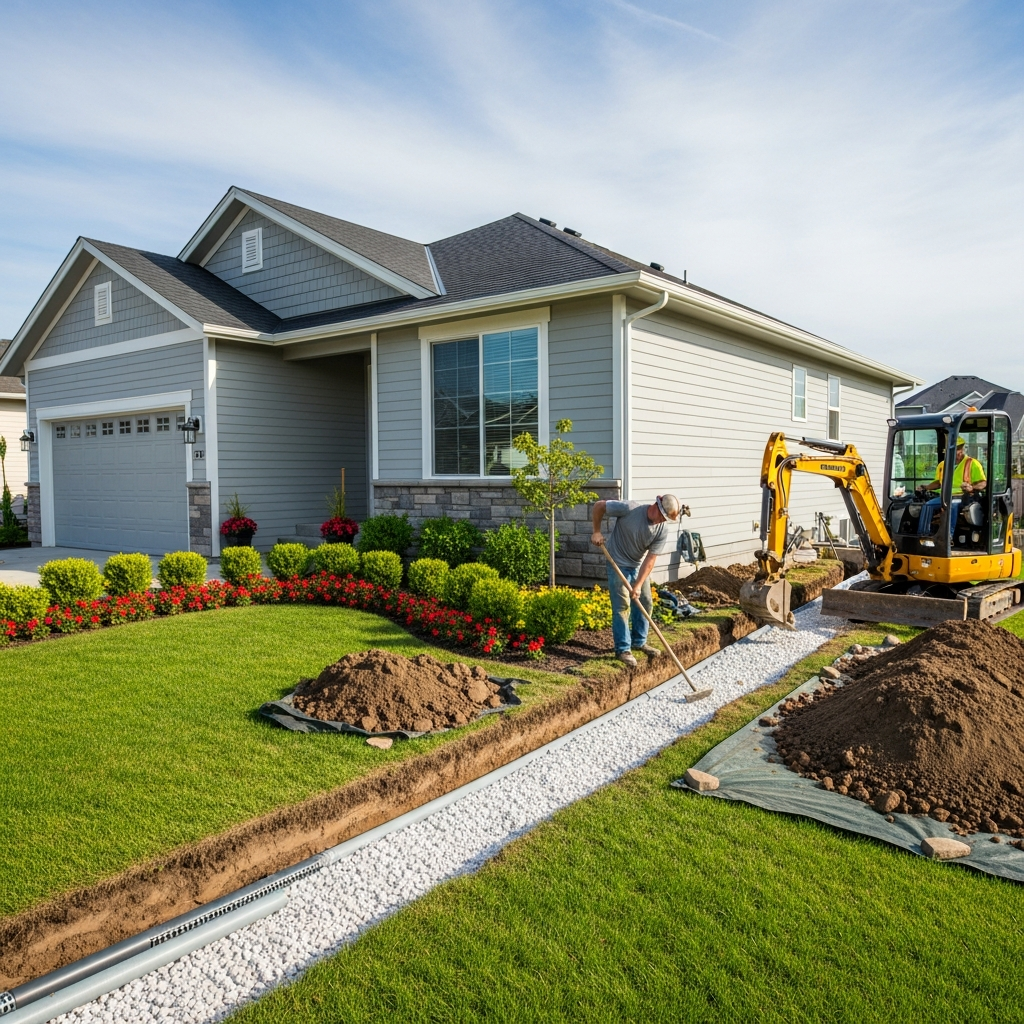
I’ll level with you – foundation repair is messy business. There’s going to be dirt. Possibly lots of it. Your landscaping near the foundation might take a hit, especially if we need to excavate around the perimeter. That’s just… part of the process.
But here’s what separates good contractors from the rest: they’ll protect your property where possible and clean up thoroughly when they’re done. Plastic sheeting over plants, plywood walkways to protect your lawn, proper cleanup at the end of each day – these aren’t luxuries, they’re standard practice.
Some settling might happen after repairs. Before you panic, this is often completely normal. Your house has been shifting for months or years, and now we’ve essentially hit the reset button. It might take a few weeks for everything to… well, settle into its new normal. Tiny hairline cracks in drywall? Pretty common. Your doors suddenly closing properly for the first time in years? That’s the goal.
Getting Your Paperwork in Order
Documentation is everything in foundation repair – and I mean everything. Your contractor should provide detailed before-and-after photos, engineering reports if required, and a comprehensive warranty. Don’t just stuff these papers in a drawer somewhere. Future buyers (if you ever sell) will want to see proof that the work was done properly.
Speaking of warranties… most reputable foundation repair companies offer warranties ranging from 10 years to lifetime coverage. But – and this is important – read the fine print. What’s covered? What’s not? Are there maintenance requirements on your end? Some warranties become void if you don’t maintain proper drainage around your home.
When to Call Your Contractor Back
Not every post-repair issue requires a panicked phone call at 6 AM. Some things are expected, others… not so much. New cracks appearing within the first month? That’s worth a conversation. Your floors suddenly becoming level after years of rolling marbles across them? That’s actually success.
Here’s a rough guideline: structural issues that affect safety should be reported immediately. Cosmetic issues like minor drywall cracks can usually wait for a scheduled follow-up visit. When in doubt, though, just call. Good contractors would rather answer a dozen unnecessary questions than miss one legitimate concern.
The Long Game
Foundation repair isn’t just about fixing today’s problems – it’s about preventing tomorrow’s headaches. Your contractor should discuss ongoing maintenance with you. Things like maintaining consistent soil moisture, ensuring proper drainage, and watching for warning signs.
This might mean installing gutters if you don’t have them, extending downspouts away from your foundation, or even adjusting your sprinkler system. Think of it as preventive medicine for your house. A little attention now saves major surgery later.
And honestly? Most homeowners are surprised by how quickly they forget about their foundation issues once they’re properly resolved. Doors that close smoothly, floors that don’t creak, walls without cracks – it becomes the new normal pretty quickly. Which is exactly what we’re aiming for.
The bottom line is this: good foundation repair work should give you peace of mind for years to come. Not just a quick fix, but actual confidence that your home’s structural integrity is solid.
Taking Care of Your Home (And Yourself)
You know what? After talking through all these foundation issues – the cracks, the settling, the whole nine yards – I keep thinking about how much our homes and our bodies have in common. Both need attention when something’s not quite right. Both benefit from catching problems early. And honestly? Both deserve to be treated with care, not panic.
Your foundation might be showing some wear and tear, and that’s… well, it’s pretty normal for a house in Dallas. The clay soil here doesn’t make things easy – it’s like living on a moody teenager that expands and shrinks depending on the weather. But here’s the thing: most foundation problems aren’t the end of the world. They’re just your house asking for a little TLC.
I’ve seen homeowners lose sleep over hairline cracks that turned out to be purely cosmetic. I’ve also seen folks ignore obvious warning signs until a simple repair became a major renovation. The sweet spot? Somewhere in the middle. Pay attention to what your house is telling you, but don’t let anxiety run the show.
Think of foundation maintenance like going to the doctor for a check-up. You wouldn’t ignore chest pains, but you also wouldn’t panic over every little ache, right? Same logic applies here. That small crack near your window frame might just need some monitoring. But if your doors are sticking and you’ve got gaps appearing where none existed before… well, that’s your house’s way of saying “Hey, can we talk?”
The good news – and I mean this sincerely – is that foundation problems are incredibly solvable these days. The techniques have gotten so much better, the materials more advanced. What might have been a nightmare repair twenty years ago could be a relatively straightforward fix today. Pier and beam adjustments, slab repairs, drainage improvements… there are solutions for pretty much everything the Texas soil can throw at you.
But here’s what I really want you to remember: you don’t have to figure this out alone. Foundation issues can feel overwhelming because, let’s face it, most of us didn’t grow up learning about soil expansion and structural engineering over dinner conversation. That’s totally okay. That’s why foundation specialists exist – to translate all the technical stuff into plain English and help you make smart decisions for your home.
You’re Not Alone in This
If you’re sitting there wondering whether that crack in your wall is something to worry about, or if your foundation might need attention… reach out. Seriously. A quick conversation with a foundation expert can save you weeks of wondering and worrying. Most reputable companies offer free inspections anyway, so there’s no pressure – just answers.
Your home is probably your biggest investment, but more than that, it’s where you build your life. It deserves to be on solid ground, literally and figuratively. And you deserve peace of mind knowing everything underneath is as it should be.
Don’t let foundation concerns keep you up at night when help is just a phone call away.