Arlington Foundation Repair: Is Your Home at Risk?

You’re reaching for your morning coffee when you notice it – that hairline crack running down your living room wall that definitely wasn’t there last month. Or maybe it’s the way your front door suddenly sticks every time you try to close it, requiring that extra shoulder shove that’s become part of your daily routine. Could be the new gap between your kitchen counter and the wall, just wide enough to catch crumbs but not wide enough to ignore.
Sound familiar?
Here’s the thing about foundation problems – they’re like that friend who overstays their welcome. They start small, almost polite in their intrusion. A tiny crack here, a slightly uneven floor there. But foundation issues? They don’t just go away on their own. Actually, they’re more like that persistent drip in your kitchen sink that turns into a full-blown leak at 2 AM on a Sunday.
And if you’re a homeowner in Arlington, well… let’s just say our North Texas soil has some opinions about your foundation. The clay-heavy ground we’re sitting on expands and contracts like it’s doing yoga – stretching out during our infamous Texas droughts, then shrinking back when those sudden downpours hit. Your foundation is basically playing a never-ending game of tug-of-war with Mother Nature.
The frustrating part? Most of us don’t think about our foundations until something goes obviously wrong. It’s like your car’s engine – you assume it’s fine until you’re stranded on the side of 360 during rush hour. But here’s what I’ve learned after talking to countless Arlington homeowners: the earlier you catch foundation problems, the less they’ll cost you – both financially and emotionally.
Because let’s be honest, foundation repair isn’t exactly dinner party conversation. It’s not sexy like a kitchen renovation or exciting like a backyard deck. But it’s absolutely critical to protecting what’s probably your largest investment. And the longer you wait… well, that little crack becomes a big crack, which becomes a structural issue, which becomes the kind of repair bill that makes you question all your life choices.
I get why people put it off. Foundation repair sounds expensive, disruptive, and frankly, a little scary. Will contractors tear up your beautiful landscaping? How long will you be living in construction chaos? Is it really *that* urgent, or are they just trying to sell you something?
These are exactly the questions we’re going to tackle together. Because the truth is, not every foundation issue is a five-alarm emergency, but knowing the difference between “keep an eye on it” and “call someone immediately” can save you thousands of dollars and countless sleepless nights.
We’ll walk through the warning signs that actually matter – and I’ll help you distinguish between normal settling (yes, that’s a real thing) and genuine foundation problems. You’ll learn about Arlington’s unique soil challenges and why that gorgeous mature tree in your front yard might be both blessing and potential curse for your foundation.
More importantly, I’ll share what to expect if you do need repairs. The good news? Foundation repair technology has come a long way from the days of completely excavating your yard. Many modern solutions are surprisingly efficient and less invasive than you might imagine.
We’ll also talk about prevention – because an ounce of prevention really is worth a pound of cure when it comes to foundations. Simple things like proper drainage and smart landscaping choices can make a huge difference in your foundation’s long-term health.
Look, I’m not here to scare you or convince you that every tiny crack is a catastrophe. But I am here to help you become an informed homeowner who can spot real problems early and make smart decisions about your property. Because your home should be your sanctuary, not a source of constant worry about what’s happening beneath your feet.
Ready to become your foundation’s best advocate? Let’s start with what to actually look for…
Why Foundations Matter More Than You Think
Look, I get it – foundations aren’t exactly the sexiest topic when you’re thinking about home maintenance. You’re probably more worried about that leaky faucet or the weird noise your HVAC makes at 2 AM. But here’s the thing… your foundation is literally holding up everything else.
Think of your house like a person standing on ice skates. If the skates are wobbly or cracked, it doesn’t matter how strong the person is – they’re going down. That’s essentially what happens when foundation problems develop. Everything above ground – your beautiful hardwood floors, that kitchen renovation you saved for, even the roof over your head – depends on what’s happening below.
The Arlington Challenge (It’s Not What You’d Expect)
Now, Arlington’s got this reputation for being all historic charm and solid construction, right? Well… that’s both a blessing and a curse when it comes to foundations.
See, much of Arlington was built during different eras with different standards. Some homes from the early 1900s were built like tanks – thick stone foundations that have lasted over a century. Others from rapid development periods? Not so much. And don’t get me started on the 1950s ranch homes – they often used foundation techniques that seemed great at the time but… well, time has a way of revealing shortcuts.
The soil here is another wild card. Arlington sits on this mix of clay, silt, and sandy soils that can be surprisingly temperamental. Clay soil, in particular, is like that friend who’s super reliable until they’re not – it holds strong when conditions are right, but when it gets too wet or too dry, it can shift dramatically.
What Actually Goes Wrong Down There
Foundation problems aren’t usually dramatic Hollywood-style collapses (thank goodness). They’re more like that slow leak in your tire – you don’t notice until things get pretty bad.
Settlement is the big one. This is when parts of your foundation literally sink into the ground. Sometimes it’s uniform – the whole house settles a bit over time, which isn’t necessarily catastrophic. But differential settlement? That’s when one part sinks more than another, and that’s when you start seeing cracks, doors that won’t close, and windows that stick.
Water damage is the sneaky villain here. Water finds a way – it always does. Whether it’s from poor drainage, changing weather patterns (hello, climate change), or just aging waterproofing, moisture can cause concrete to deteriorate, wood to rot, and metal to corrode. It’s like rust on a car, but for your house.
Then there are structural cracks. Not all cracks are created equal, though. Hairline cracks in concrete? Pretty normal – concrete shrinks as it cures. But cracks you can stick a coin into, or cracks that seem to be growing? That’s your house trying to tell you something.
The Confusing Part About Foundation Repair
Here’s where things get counterintuitive, and honestly, it confused me for years until I really dug into this stuff. You’d think foundation problems would be obvious, right? House sinking = big problem = obvious signs.
Actually… not really.
Early foundation issues are masters of disguise. That door that suddenly needs a good shove to close? Could be foundation settlement. Those new cracks appearing where the wall meets the ceiling? Might be your house shifting slightly. That basement that feels damper than usual? Foundation waterproofing might be failing.
The tricky part is that these symptoms can also be caused by normal house settling, humidity changes, or even seasonal temperature swings. It takes experience to know the difference between “normal house behavior” and “we need to call someone.”
Why Timing Matters (More Than Your Budget)
Look, nobody wants to spend money on foundation repair. It’s not like renovating a bathroom where you get to enjoy pretty new tiles. Foundation work is invisible, expensive, and… well, not exactly Instagram-worthy.
But here’s the brutal truth – foundation problems don’t get better with time. They’re not like that check engine light that you can ignore for another thousand miles. Delaying foundation repairs is like ignoring a small cavity until you need a root canal, except the “root canal” version involves jacking up your entire house.
The good news? Catching problems early usually means less invasive, less expensive solutions. Sometimes it’s as simple as improving drainage or sealing minor cracks. Wait too long, and you’re looking at underpinning, pier installation, or other major interventions that… well, let’s just say they’re not cheap.
Reading the Warning Signs Before They Become Disasters
You know that nagging feeling when something’s just… off? Your house has been trying to tell you things, but maybe you’ve been too busy to listen. Here’s the thing – foundation problems don’t announce themselves with a marching band. They whisper first.
Walk around your home’s exterior and look for cracks in the foundation walls. Not every crack is cause for panic (houses settle, after all), but hairline cracks that are wider than a quarter-inch need attention. And if you can stick a credit card into the crack? Yeah, that’s your house waving a red flag.
Inside, check your doors and windows. Are they suddenly stubborn about closing? Does that bedroom door that used to swing shut now stay open? Foundation shifts cause frames to warp, and honestly, it’s one of the earliest signs you’ll notice.
The Moisture Detective Work You Can’t Skip
Arlington’s clay soil is like a moody teenager – it swells when wet, shrinks when dry, and the drama never ends. This means managing water around your foundation isn’t just important… it’s absolutely critical.
Start with your gutters. I know, I know – cleaning gutters ranks right up there with organizing your sock drawer on the fun scale. But clogged gutters dump water right next to your foundation, and that’s like inviting trouble over for dinner. Clean them twice a year, and make sure downspouts direct water at least six feet away from your house.
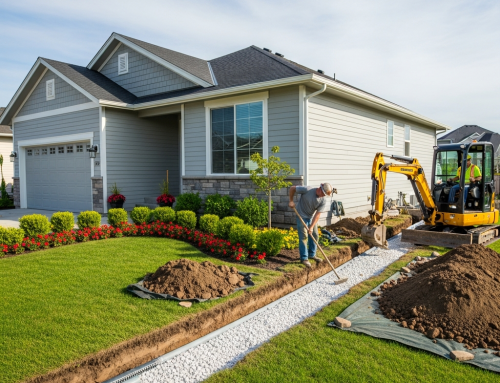
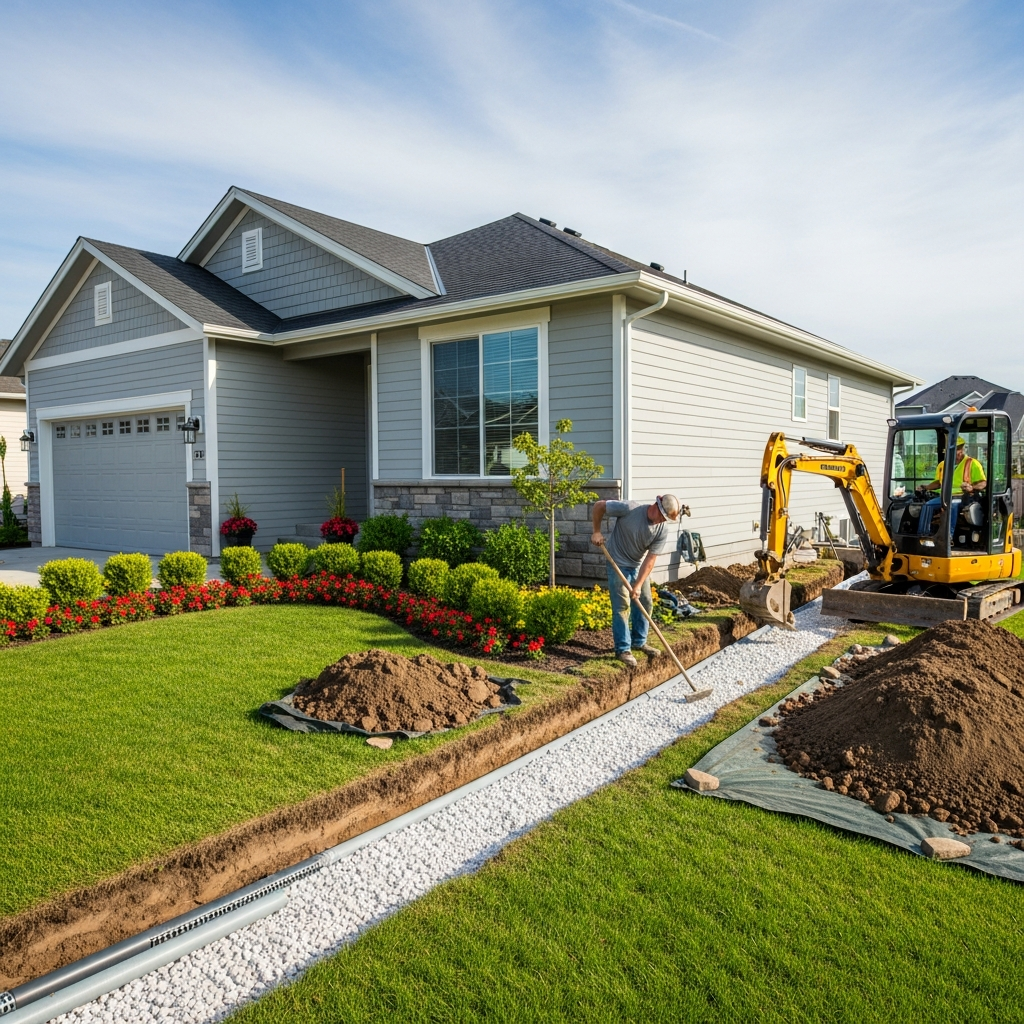
Here’s something most people miss: check your landscaping. Those beautiful flower beds right against your house? They might be working against you. When you water them, you’re essentially watering your foundation too. Consider creating a small slope away from your house – even just a 6-inch drop over 10 feet makes a huge difference.
The Basement and Crawl Space Reality Check
Grab a flashlight and get ready to play detective. Your basement or crawl space holds most of the clues about what’s happening below ground.
Look for white, chalky deposits on your foundation walls – that’s efflorescence, and it means water has been coming through the concrete. It’s like your foundation’s way of leaving breadcrumbs to show where water’s been sneaking in.
Smell matters too. That musty, earthy smell? It’s not just “old house character” – it’s moisture, and moisture plus foundation equals problems down the road. If you’re noticing puddles after heavy rain or see actual water stains on the walls, you’ve moved beyond prevention into action territory.
When to Call in the Professionals (And How to Choose Them)
Here’s where things get real. You’ve done your detective work, and some warning signs are making you nervous. Now what?
Don’t wait until spring. I see this all the time – people notice issues in fall or winter and think, “I’ll deal with this when the weather’s nicer.” But foundation problems don’t take seasonal breaks, and waiting often means watching a manageable situation become an expensive nightmare.
When you’re ready to call someone, get at least three estimates. But here’s the insider tip: don’t just go with the lowest bidder. Ask about their specific experience with Arlington’s soil conditions. Clay soil foundation repair isn’t the same as working with sandy soil, and you want someone who understands the local challenges.
Ask potential contractors about their warranty – not just what it covers, but how long they’ve been in business to actually honor it. A 25-year warranty from a company that’s been around for two years isn’t worth much.
The Prevention Game Plan That Actually Works
Prevention beats repair every single time, both for your stress levels and your wallet. But effective prevention isn’t about doing everything – it’s about doing the right things consistently.
Water management is your number one priority. Install a soaker hose around your foundation during dry spells. Yes, really – you want to keep that clay soil at consistent moisture levels. Think of it like keeping a houseplant happy… steady water beats feast-or-famine cycles every time.
Monitor your water bill. A sudden spike often means you have a leak somewhere, and underground leaks near your foundation are particularly sneaky troublemakers.
Finally, keep a simple log. Note when you see new cracks, when doors start sticking, or when you first smell that musty odor. Foundation problems develop slowly, and having a timeline helps professionals (and you) understand what’s really happening versus what just looks scary.
When the Estimate Makes You Want to Cry
Let’s be honest – foundation repair costs can feel like a punch to the gut. You’re expecting maybe a few thousand dollars, and then the contractor starts talking about $15,000… or $25,000. Your first instinct? Get three more quotes, hoping someone made a mistake.
Here’s the thing though – foundation work isn’t like getting your oil changed. There’s no “budget option” that’s actually safe. Cheap foundation repair is like cheap parachutes… not really a thing you want to gamble on.
The solution isn’t shopping for the lowest bid. Instead, understand what drives the cost. Are they dealing with expansive clay soil that requires deeper piers? Is your house a sprawling ranch that needs work along multiple walls? Sometimes that sticker shock actually reflects the scope of what needs fixing.
Get those multiple quotes, absolutely. But compare the methods, not just the numbers. The contractor suggesting $8,000 worth of crack injection might be missing the bigger picture that the $20,000 pier-and-beam guy clearly sees.
The Waiting Game That Nobody Wins
Foundation issues don’t pause for convenient timing. They don’t wait until after your daughter’s wedding or until you’ve paid off the car. But somehow, we convince ourselves they will.
“It’s been like that for months” becomes “it’s been like that for years.” Meanwhile, that small crack is inviting water in, your doors are getting harder to close, and you’re subconsciously avoiding that corner of the basement.
Procrastination with foundation problems is expensive procrastination. What starts as a $3,000 repair can morph into a $15,000 nightmare when water damage gets involved. Plus – and this is important – most foundation issues get worse in Arlington’s clay soil, not better.
The real solution? Set a deadline. Not “someday” or “when we have the money,” but an actual date. Even if it means putting it on a payment plan or taking a small loan. Your house’s bones can’t wait for your bank account to feel comfortable.
Finding Contractors Who Actually Show Up
This one’s frustrating. You call six foundation companies, three don’t call back, two show up late, and one guy spends the whole time on his phone. It’s like they don’t want your business.
The truth is, good foundation contractors in Arlington stay pretty busy. They’re not desperate for work, which sometimes translates to poor communication. But you need someone who treats your house like it matters.
Start with referrals from neighbors who’ve had work done recently. Not just “they seemed nice,” but “they showed up when they said they would and the work held up.” Check with your neighborhood Facebook group or Nextdoor – people love sharing contractor horror stories and success stories equally.
When you do find someone promising, ask about their timeline upfront. A good contractor will tell you honestly if they’re booked out for months. Better to know now than wonder why work hasn’t started after three weeks of radio silence.
The Insurance Runaround
You file a claim thinking your homeowner’s insurance will cover foundation settling. They send an adjuster who takes photos and… denies the claim. “Settling isn’t covered,” they say. But wait – what if it’s actually related to that plumbing leak from last year?
Insurance and foundation work exist in this weird gray area. Sometimes coverage depends on the cause, not the damage itself. Sudden foundation shifts from broken pipes? Often covered. Gradual settling in clay soil? Usually not.
Document everything with photos and dates. If you suspect a covered cause (like water damage), push back professionally. Sometimes getting a structural engineer’s report – yes, it costs money upfront – can make the difference between a denial and a covered claim.
Living Through the Chaos
Foundation repair isn’t a quiet, tidy process. There will be equipment in your yard, workers arriving at 7 AM, and dust settling on everything. For weeks.
The noise, the disruption, the strangers tramping through your space… it’s a lot. Especially if you work from home or have small kids.
Plan for the disruption like you’d plan for a vacation. Arrange alternative spaces for important work calls. Maybe send the kids to grandma’s during the loudest days. Stock up on coffee and patience – you’ll need both.
Most importantly, remember that good contractors want to get in, do quality work, and get out. They’re not trying to make your life miserable… they just have a job to do.
Setting Realistic Expectations About Foundation Repair
Here’s the thing about foundation work – it’s not like painting your living room over the weekend. You’re dealing with the literal bones of your house, and that takes time. I’ve seen too many homeowners get frustrated because they expected their foundation to be “fixed” in a couple of days. That’s just… not how it works.
Most foundation repairs in Arlington take anywhere from one to three weeks, depending on what you’re dealing with. A simple crack injection? Maybe a few days. But if you need piers installed or extensive drainage work… well, you’re looking at the longer end of that timeline. And honestly? Weather plays a huge role here. Texas clay doesn’t cooperate when it’s been raining for days straight.
The process isn’t just about the actual repair work either. There’s inspection time, permit pulling (yes, most foundation work requires permits), material ordering, and sometimes – this is the part nobody warns you about – waiting for the foundation to “settle” into its new position before certain finishes can be completed.
What Happens During the Repair Process
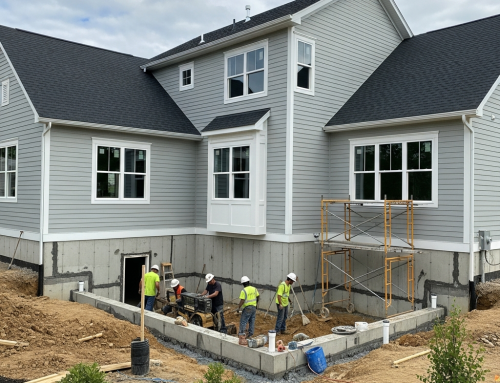
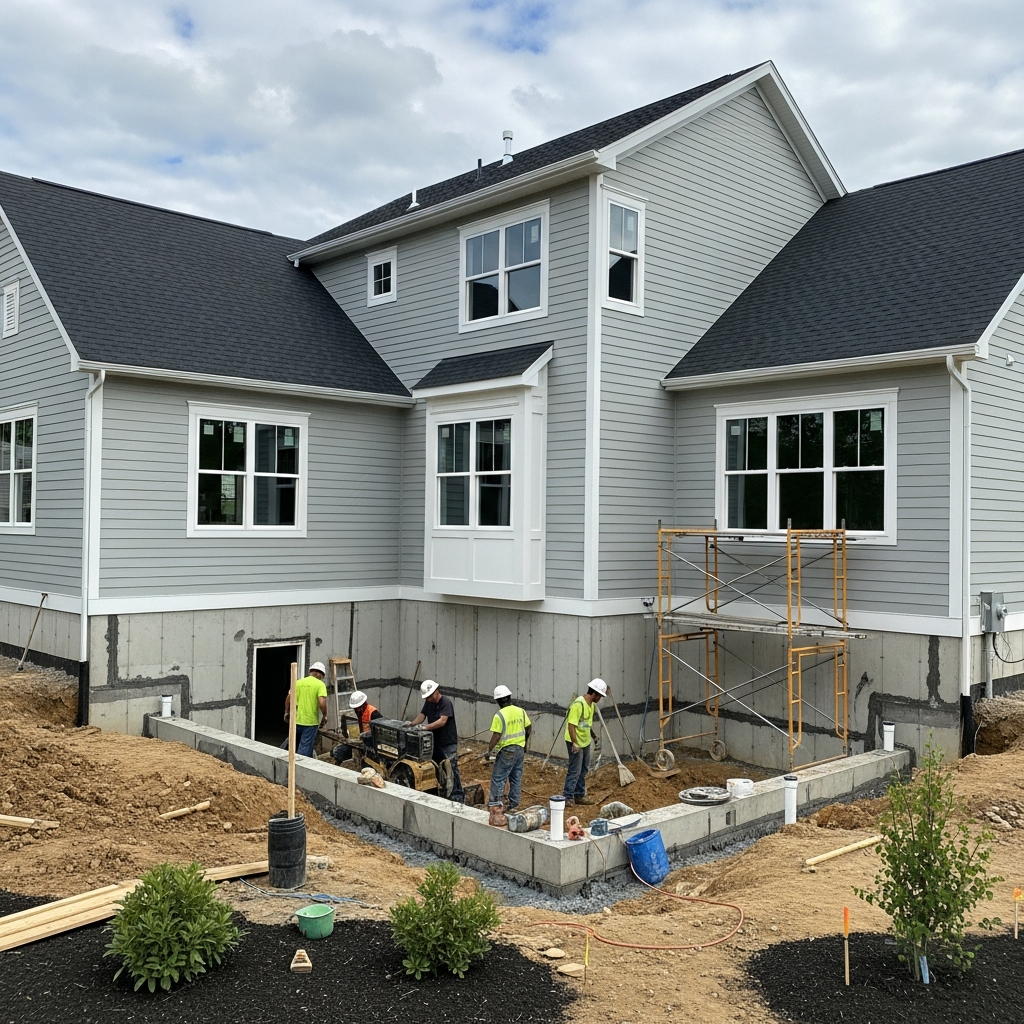
You’ll want to prepare for some disruption to your daily routine. Foundation contractors need access to the perimeter of your house, which means your landscaping might take a temporary hit. Those beautiful flower beds? They might need to be relocated for a bit.
The noise level varies depending on the type of repair. Pier installation involves some heavy machinery – think jackhammering and drilling. It’s not exactly quiet. If you work from home or have young children, you’ll want to plan accordingly. Most reputable contractors try to stick to reasonable hours, but foundation work often starts early to beat the Texas heat.
Here’s something that catches people off guard: the mess. Even the most careful contractors create dust and debris. You’ll want to move cars away from work areas and maybe invest in some plastic sheeting if you’re particularly concerned about outdoor furniture or equipment.
The Inspection and Permitting Dance
Before any work begins, you’re looking at a thorough inspection process. This isn’t just your contractor taking a quick look around – it’s often a structural engineer providing detailed analysis and recommendations. In Arlington, this process typically takes 3-5 business days, sometimes longer if the engineer has a busy schedule.
Permits… ah, permits. They’re necessary, but they add time to your timeline. Arlington’s permit process is generally pretty efficient, but you’re still looking at several days to a week for approval. The good news? Reputable contractors handle this for you. The less good news? You can’t start work without them.
Managing Your Expectations About Results
Let me be straight with you about something – foundation repair isn’t magic. If you’ve had foundation issues, there might be some cosmetic damage inside your house that the repair itself won’t fix. Those cracks in your walls? The doors that don’t quite close right? Foundation repair stabilizes and often improves these issues, but you might still need some interior touch-up work.
Think of foundation repair like physical therapy after an injury. It addresses the underlying problem and prevents further damage, but there might be some lingering effects that need separate attention. Your contractor should be upfront about what the repair will and won’t accomplish.
Most importantly – and this is crucial – your foundation needs time to adjust after repair. It’s been moving and settling for months or years, and now you’ve essentially told it to stay put. Some minor settling is completely normal in the weeks following repair. Don’t panic if you notice tiny new cracks or slight changes in how doors fit. Your contractor should explain what’s normal versus what requires a callback.
Planning for Success
The best foundation repair experiences happen when homeowners go in with realistic expectations and good communication with their contractors. Ask questions. Lots of them. When will work start each day? How long will each phase take? What should you do if it rains? How will you know when everything’s complete?
And here’s a practical tip that nobody mentions: take “before” photos of your interior. Document those wall cracks, door gaps, and window issues. It’ll help you track improvement and give you a baseline for discussions with your contractor.
Foundation repair isn’t fun, but it’s necessary. And when it’s done right – with realistic timelines and clear communication – you’ll have peace of mind that your home is stable for years to come.
Your Home Deserves Better Than “Wait and See”
You know, after walking through all these warning signs and solutions, I can’t help but think about how overwhelming this might feel. One day you’re living your life, and the next you’re googling foundation problems at 2 AM because you noticed that crack in your living room wall getting bigger. Trust me – you’re not overthinking it.
The thing about foundation issues is they’re a lot like that persistent headache you keep ignoring. Sure, you could pop some aspirin and hope it goes away… but deep down, you know something needs attention. Your Arlington home sits on this unique clay soil that’s basically playing a constant game of expand-and-contract. It’s not your fault – it’s just what happens here.
And here’s what I’ve learned after years of talking with homeowners: the people who catch these problems early? They sleep better at night. Literally. They’re not lying awake wondering if that new crack means their foundation is about to fail, or if they’re looking at tens of thousands in repairs down the road.
The truth is, most foundation problems start small. That hairline crack, the door that suddenly sticks, the slight gap where your wall meets the ceiling – these aren’t necessarily disasters waiting to happen. But they are your house trying to tell you something. And honestly? Listening early almost always costs less than waiting.
I get it though – nobody wants to be that person calling repair companies left and right. You’re probably thinking, “What if it’s nothing? What if they’re just trying to sell me something expensive?” Those are completely valid concerns. But here’s the thing about reputable foundation experts – they actually want to help you avoid unnecessary work. A good contractor will tell you when something can wait, when it’s worth monitoring, and when it really does need immediate attention.
Your home is probably your biggest investment, right? But it’s more than that. It’s where your kids are learning to walk, where you’re building memories, where you feel safe. You deserve to feel confident that the ground beneath your feet – literally – is solid.
Take That Next Small Step
Look, you don’t have to solve everything today. You don’t even need to commit to major repairs. But you do deserve some peace of mind. If you’ve been noticing any of those warning signs we talked about – or if you’re just feeling uncertain – why not have someone take a look?
A simple foundation assessment isn’t about pressure or sales pitches. It’s about getting answers. It’s about knowing whether you can stop worrying or if there’s something manageable you should address.
You’ve already taken the first step by educating yourself. Now give yourself permission to get expert eyes on your specific situation. Your future self – and your family – will thank you for caring enough to find out for sure.
Ready to stop wondering and start knowing? We’re here to help, no pressure attached. Because you deserve a home that’s as solid as the life you’re building inside it.