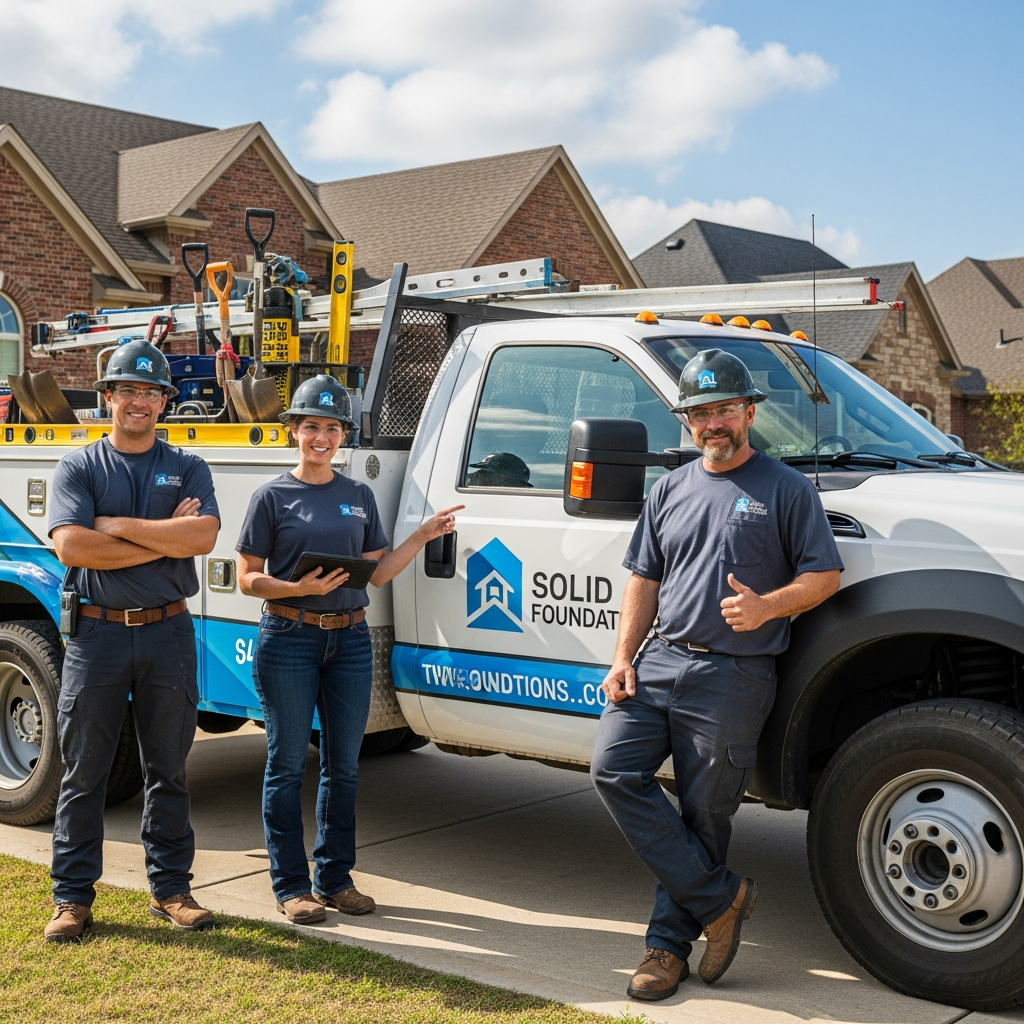
Grand Prairie Fix Foundation Issues Before They Get Worse
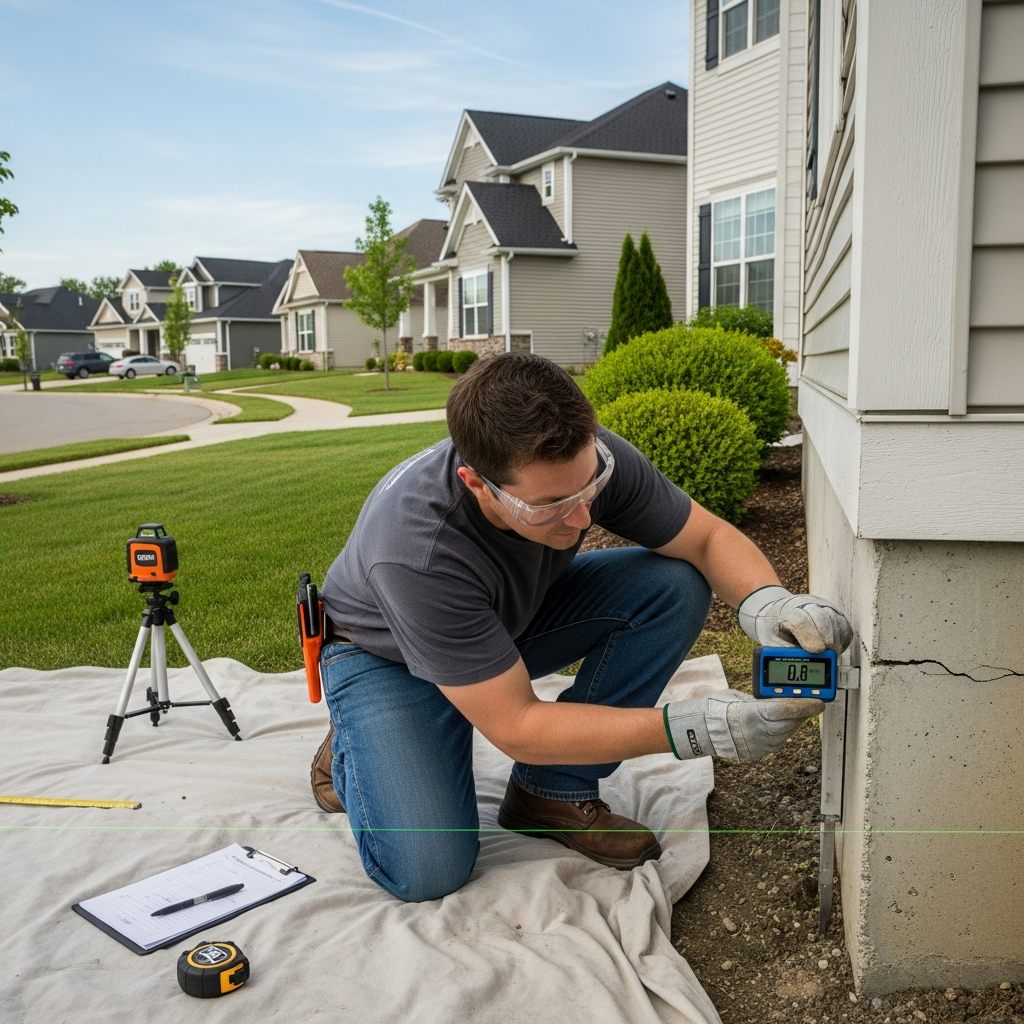
You’re sitting at your kitchen table with your morning coffee when you notice it again – that tiny crack in the wall that definitely wasn’t there last month. Or was it? You stare at it, willing it to be just a shadow or maybe a trick of the light. But nope… it’s definitely gotten longer since you first spotted it.
Welcome to the homeowner’s version of “is that weird mole something I should worry about?” except this time, it’s your house showing symptoms.
Here’s the thing about foundation problems – they’re a lot like that friend who says they’re “fine” when they’re clearly not fine at all. Your house will give you subtle hints for months, maybe even years, before it finally throws a full-blown tantrum. And trust me, you don’t want to see what a foundation tantrum looks like. We’re talking about thousands of dollars, major disruption to your daily life, and the kind of stress that makes you question every life decision that led you to homeownership.
Living in Grand Prairie, you’ve probably heard the foundation horror stories. Maybe it was your neighbor who ignored those “harmless” cracks until their doors wouldn’t close properly. Or your coworker who kept putting off that foundation inspection until their kitchen floor started looking like a skateboard ramp. These aren’t just cautionary tales – they’re glimpses into a very expensive future if you don’t catch things early.
The truth is, Grand Prairie’s clay soil has a personality disorder. One day it’s expanding like it’s trying to give your foundation a bear hug, the next day it’s shrinking away like it’s giving you the cold shoulder. This constant push-and-pull creates stress on your foundation that… well, let’s just say foundations aren’t known for their flexibility.
But here’s what most people don’t realize – and this is where it gets interesting – foundation problems are incredibly predictable. They follow patterns. They leave breadcrumbs. They practically wave red flags before they become real emergencies. The problem? Most of us are too busy living our lives to notice these early warning signs, or we notice them and think, “I’ll deal with that later.”
Later has a funny way of becoming much more expensive than now.
You know what’s fascinating about foundation issues? They’re one of the few home problems where procrastination literally costs you exponentially more money. A small crack that costs $500 to fix today could easily become a $15,000 nightmare if you wait until it decides to invite its friends to the party. It’s like compound interest, but working against you in the worst possible way.
And let’s be honest – most of us don’t wake up thinking about our foundations. We worry about the roof when it rains, the AC when it’s hot, the plumbing when something’s not draining right. But the foundation? It’s literally the thing holding everything else up, and it’s probably the part of your house you think about least.
That’s about to change.
We’re going to walk through exactly what to look for in your Grand Prairie home – not the obvious stuff like giant cracks (though we’ll cover those too), but the sneaky early signs that most people miss. The slightly sticky door that you’ve been meaning to adjust. The gap between your baseboard and the wall that you assumed was just… settling. The way your floor feels just a tiny bit uneven in that one spot.
You’ll learn when to panic (spoiler: probably less often than you think) and when to act fast (spoiler: probably more often than you’d like). We’ll talk about what actually causes foundation problems here in Grand Prairie – because understanding the “why” makes the “what to do about it” so much clearer.
Most importantly, you’ll know exactly what steps to take when you spot something concerning. Because here’s the reality – you’re probably going to find something. Almost every house has some minor foundation movement. The question isn’t whether you’ll discover signs of foundation stress, but whether you’ll catch them early enough to do something about them before they become your new part-time job.
Ready to become your foundation’s best advocate? Let’s start with what’s probably happening under your feet right now…
Why Foundations Fail in the First Place
You know that sinking feeling when you notice a crack in your wall? That’s your house trying to tell you something – and it’s usually not good news. Grand Prairie sits on what’s basically a geological rollercoaster of clay soil that expands and contracts like a moody teenager. When it’s wet, the clay swells up. When it’s dry, it shrinks down. Your foundation? It’s just along for the ride.
Think of it like this: imagine your house is sitting on a giant sponge that someone keeps squeezing and releasing. Eventually, something’s gotta give. And that something is usually your foundation.
The clay soil here is what engineers call “expansive soil” – which sounds fancy but really just means it’s unpredictable and kind of a pain to deal with. During our Texas droughts, this soil can shrink so much that it literally pulls away from your foundation. Then when the rains come (and boy, do they come), the soil swells back up and pushes against your foundation walls like an overeager hug.
The Sneaky Nature of Foundation Problems
Here’s what’s tricky about foundation issues – they’re like that leak under your kitchen sink that you keep meaning to fix. You know, the one that starts as just a tiny drip but somehow turns into a small indoor lake when you’re not looking.
Foundation problems are masters of disguise. They start small and quiet. Maybe it’s just a hairline crack that you convince yourself has “always been there.” Or perhaps a door that sticks a little more than it used to. These aren’t just quirky house personalities – they’re early warning signs that your foundation is starting to move.
What makes this even more confusing is that foundations don’t fail overnight. It’s not like a burst pipe where you wake up to water everywhere. Foundation settlement and movement happen gradually, sometimes over months or years. By the time you notice obvious problems – doors that won’t close, windows that stick, or those zigzag cracks in your walls – the underlying issue has usually been brewing for a while.
Settlement vs. Heaving: The Two-Headed Monster
Okay, this part gets a little technical, but stick with me because it’s important. Your foundation can move in two main ways, and they’re basically opposites.
Settlement is when parts of your foundation sink down. Think of it like sitting on a soft couch – you gradually sink into the cushions. This usually happens when the soil under your foundation gets washed away, dries out, or just can’t support the weight anymore.
Heaving is the opposite – when the soil pushes your foundation upward. It’s like that same couch suddenly inflating underneath you. This typically happens when expansive clay soil gets waterlogged and swells up with nowhere to go but up.
Both are bad news, just in different ways. And here’s the kicker – you can have both happening to the same foundation at different spots. One corner might be sinking while another section is being pushed up. No wonder foundations crack under the pressure.
Why Waiting Makes Everything Worse (And More Expensive)
I’ll be honest with you – foundation repair is never going to be cheap. But there’s expensive, and then there’s “remortgage your house” expensive. The difference usually comes down to timing.
When a foundation problem starts small, the fix might involve some targeted support in specific areas. Think of it like patching a small hole in your roof before water damage spreads to the entire attic. But when you wait? That small problem becomes a big problem, which becomes a structural nightmare that affects everything connected to your foundation.
The domino effect is real. Foundation movement affects your framing, which affects your drywall, which affects your doors and windows, which affects your plumbing and electrical systems… you get the picture. Before you know it, you’re not just fixing a foundation – you’re essentially rebuilding half your house.
Plus – and this might be the most frustrating part – foundation problems don’t pause for your convenience. That crack isn’t going to wait for you to save up more money or for housing prices to stabilize. If anything, it’s going to get worse during the next seasonal soil shift, which in Grand Prairie happens like clockwork every year.
Start with the Basement – Your Foundation’s Truth Teller
Here’s something most contractors won’t tell you upfront: your basement walls are basically a diary of everything happening underground. Those hairline cracks that appeared last spring? They’re not “settling” – they’re your foundation whispering that something’s changed.
Grab a flashlight and actually look at your basement walls every few months. I know, I know… it’s not exactly a fun Saturday activity. But you’re looking for new cracks, cracks that have grown, or – and this is the big one – any crack you can fit a nickel into. That’s when you call someone immediately.
Water stains are another red flag people ignore. If you see those telltale brown or white mineral deposits creeping down your walls, your foundation is getting more moisture than it should. And moisture is foundation enemy number one.
The 10-Foot Rule That Could Save You Thousands
Water wants to flow toward your house – it’s just physics. But here’s a simple trick that most Grand Prairie homeowners completely overlook: walk around your house and check that the ground slopes *away* from your foundation for at least 10 feet in every direction.
Sounds obvious, right? Yet you’d be amazed how many properties have flower beds, sidewalks, or just settled soil that actually channels water straight toward the foundation. After our clay soil expands and contracts season after season, these drainage patterns can completely flip.
If you find spots where water pools near your foundation after rain, that’s your weekend project right there. Add some soil, regrade that area, or install a simple French drain. It’s way cheaper than foundation repair… and I mean *way* cheaper.
Clay Soil Management – The Grand Prairie Special
Living in Grand Prairie means dealing with clay soil – that stubborn, moody earth that swells up like a sponge when it rains and shrinks down to concrete when it’s dry. Your foundation basically sits on this constantly shifting surface.
Here’s what actually works: maintain consistent soil moisture around your foundation. I know that sounds weird – you’re trying to keep water away from your house while also keeping the soil moist? But stick with me.
During dry spells (and we get plenty of those), run a soaker hose around your foundation’s perimeter. Not every day – just enough to keep the clay from completely drying out and pulling away from your foundation. You’ll see gaps between the soil and your foundation walls when it gets really dry. That’s your cue.
Tree placement matters too. Those beautiful oak trees that make Grand Prairie so lovely? They can suck massive amounts of water from clay soil, creating uneven conditions around your foundation. If you’ve got large trees within 20 feet of your house, just keep an eye on things during drought periods.
The Early Warning System Most People Miss
Your doors and windows are like canaries in a coal mine for foundation problems. When your foundation starts shifting – even slightly – doors begin sticking, windows won’t close properly, and you’ll notice gaps appearing around frames.
Don’t just muscle through a sticky door for months thinking it’s “just old house stuff.” Walk through your house monthly and actually test every door and window. Open them, close them, look for new gaps. It takes maybe 15 minutes, but catching foundation movement early can literally save you tens of thousands of dollars.
Same goes for cracks in your drywall, especially around door frames and corners. One hairline crack? Probably just normal settling. Multiple cracks appearing over a few months? Time to investigate further.
Know When to Call in the Pros
Here’s the thing about foundation issues – they’re not DIY territory once they’re actually happening. But knowing when to make that call is crucial.
If you see any crack wider than a quarter-inch, call someone immediately. If doors that used to work fine suddenly don’t close properly, if you notice your floors sloping, or if you see significant water infiltration… these aren’t “let’s see how it goes” situations.
The best foundation companies in Grand Prairie will give you a free inspection and honest assessment. Get multiple opinions – especially if someone’s pushing for immediate, expensive work. Good contractors understand that prevention and early intervention are always better than major repairs.
Remember, foundation problems don’t fix themselves, and they definitely don’t get better with time. But catch them early? You might be looking at minor repairs instead of major reconstruction.
The “I’ll Deal With It Later” Trap
Look, we get it. You spot a hairline crack in your basement wall and think, “Eh, it’s not that bad.” You notice your door sticking a little more each month but figure it’s just the humidity. That slight slope in your living room floor? Well, the couch covers it up anyway.
This is probably the biggest challenge homeowners face with foundation issues – that voice in your head saying it can wait. And honestly? Sometimes that voice makes financial sense in the short term. Foundation repairs aren’t exactly impulse purchases.
But here’s the thing about foundations – they’re not like a leaky faucet that just stays annoying. They’re more like a small tear in your favorite shirt. Leave it alone, and eventually you’re looking at a situation that’s way beyond a simple patch job.
The fix? Set yourself a deadline. Not “someday” or “when I have more money” – an actual date. Even if that date is six months out, having a concrete plan stops the endless cycle of putting it off. And here’s a trick that actually works: get a quote now. Not because you have to use it immediately, but because knowing the real numbers makes the decision less scary than the unknown.
When Multiple Experts Give You Different Answers
Oh, this one’s maddening. You call three foundation contractors, and somehow you get three completely different diagnoses. One says you need full underpinning, another suggests pier installation, and the third claims it’s just a drainage issue.
You’re standing there thinking, “These people are supposed to be experts, right?” Welcome to one of the most frustrating parts of foundation repair – the fact that there’s often more than one way to solve a problem, and not everyone agrees on the best approach.
Part of this comes down to different companies specializing in different solutions. If all you have is a hammer, everything looks like a nail, you know? The underpinning specialist is going to lean toward underpinning. The drainage expert will focus on water management.
Your best bet? Ask each contractor to explain why they ruled out the other solutions. A good contractor won’t just tell you what they want to do – they’ll explain why they don’t think the other approaches will work in your specific situation. Also, don’t be afraid to ask about their success rate with similar problems in your neighborhood. Grand Prairie’s clay soil creates specific challenges, and local experience matters.
The Money Reality Check
Let’s be brutally honest here – foundation repairs can cost anywhere from a couple thousand to… well, let’s just say you might need to have a serious conversation with your financial advisor.
The challenge isn’t just the cost itself. It’s that foundation problems rarely come with convenient timing. Your foundation doesn’t care that you just paid for your kid’s college tuition or that you’re saving for a vacation. It’s going to do what it’s going to do.
And then there’s the insurance situation. Most homeowners assume their insurance will cover foundation issues, and then they get that lovely letter explaining why foundation settlement is considered “normal wear and tear” – even when it definitely doesn’t feel normal to you.
Here’s what actually helps: Start with the smallest effective solution. Not every foundation problem requires the nuclear option. Sometimes addressing drainage issues first can buy you time and prevent further damage while you figure out financing for bigger repairs. Many contractors also offer financing options, though definitely read that fine print carefully.
Living in Construction Chaos
Nobody warns you about this part – what it’s actually like to live through foundation repairs. The noise starts early (we’re talking 7 AM jackhammering), your yard turns into a moonscape, and somehow dust finds its way into places you didn’t even know existed in your house.
For families with young kids, elderly relatives, or anyone who works from home, this can be genuinely overwhelming. You can’t exactly pack up and move to a hotel for three weeks.
Survival strategies that actually work: Communicate with your contractors about the messiest days upfront. Most are willing to work with you on timing if you’re honest about your constraints. Create a “clean zone” in your house where the family can retreat. And honestly? Lower your standards temporarily. Your house is going to be dusty, your routine is going to be disrupted, and that’s okay. It’s temporary.
The key is remembering that this chaos has an endpoint – and that endpoint involves a house that’s structurally sound for years to come.
What to Expect During the Foundation Repair Process
Let’s be honest – nobody wants to hear that their foundation needs work. It feels like one of those adult responsibilities that sneaks up on you, kind of like realizing your car needs new brakes or your roof is starting to leak. But here’s the thing: once you’ve made the decision to address foundation issues, you’re already past the hardest part.
The timeline? Well, that’s where we need to manage expectations. A typical foundation repair in Grand Prairie usually takes anywhere from 2-7 days, depending on what needs to be done. Pier installations might wrap up in a couple of days, while more extensive underpinning could stretch into a week. Weather plays a role too – and you know how unpredictable Texas weather can be.
Your contractor should walk you through a pretty detailed timeline before work begins. Actually, if they’re being vague about scheduling or rushing you through explanations… that’s a red flag. Good foundation contractors know this stuff inside and out, and they should be able to paint you a clear picture of what’s coming.
The Reality of Living Through Foundation Work
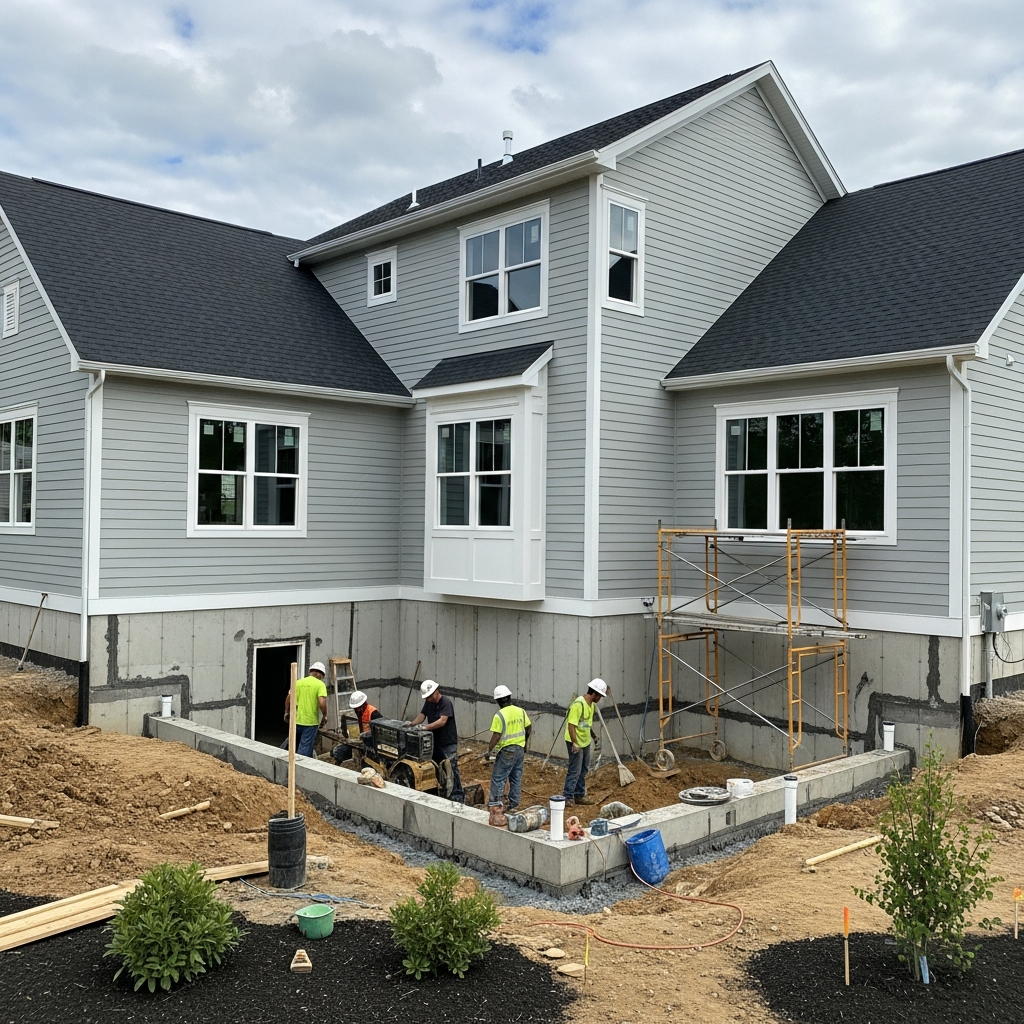
Here’s what nobody tells you upfront: foundation work is disruptive. Not just the noise (though yes, there will be noise), but the whole rhythm of your daily life shifts for a bit. You’ll have crews arriving early, equipment in your yard, and – depending on the extent of work – you might need to relocate some furniture or clear certain areas.
Some homeowners are surprised by how much excavation is involved. Those guys aren’t just tapping things into place with a hammer – they’re often digging down several feet to install piers or repair damaged areas. Your landscaping will take a hit. That’s just part of it, and any honest contractor will tell you that upfront.
The dust situation is real too. Even with precautions, foundation work kicks up dirt and debris. If you’ve got allergies or respiratory sensitivities, plan accordingly. Maybe stay with relatives for a day or two if the work is extensive.
What “Normal” Looks Like
During the repair process, you might notice some… interesting things happening in your house. Doors that were sticking might suddenly swing freely. Or conversely, a door that’s been fine for years might start catching. This is actually normal – your house is settling into its new, more stable position.
You might hear some creaking or small settling sounds for a few weeks after the work is done. Think of it like your house stretching after being in an uncomfortable position for too long. The structure is adjusting, and that’s exactly what you want to happen.
Some homeowners expect everything to be perfectly level immediately after foundation work. Here’s the reality check: your house has been gradually shifting for months or years. While foundation repair stops further movement and provides stability, it doesn’t always restore everything to factory-fresh condition. Your contractor should explain what improvements you can realistically expect.
Planning Your Next Steps
Once the foundation work is complete, you’re not quite done. There’s usually a settling period – typically 30-60 days – where your home adjusts to its improved support system. During this time, you might need to address some cosmetic issues that were caused by the original foundation problems.
Those hairline cracks in your walls? The gaps around windows? These often need attention after foundation repair, but here’s the key – wait for that settling period before you tackle cosmetic fixes. Otherwise, you might find yourself repairing the same crack twice.
Your contractor should provide you with a warranty – typically 10-25 years for the foundation work itself. Keep that paperwork handy, along with photos of the completed work. You’ll also want to establish a relationship with a foundation inspection service for periodic check-ups. Think of it like regular dental cleanings, but for your house.
And honestly? Once you’re through this process, you’ll probably sleep better knowing your home’s foundation is solid. There’s something reassuring about having addressed the problem head-on instead of lying awake wondering if those cracks are getting worse. You’ve taken control of the situation, and that peace of mind is worth quite a bit.
Taking Care of Your Home – and Yourself
You know what? Foundation problems are a lot like those nagging health issues we all tend to ignore. That little twinge in your back, the way you feel winded going up stairs, the fact that your pants are getting tighter… We tell ourselves it’s not that bad, that it’ll probably get better on its own. But deep down, we know better.
Your home is probably your biggest investment – both financially and emotionally. It’s where your kids take their first steps, where you’ve celebrated birthdays and weathered storms (literally and figuratively). When the foundation starts shifting, it’s not just about cracks in the walls or doors that won’t close properly. It’s about protecting everything you’ve built.
The thing about foundation issues is they’re like that friend who overstays their welcome – they never get better on their own, and they always get more expensive to deal with the longer you wait. What might cost a few thousand dollars to fix today could easily become a $15,000 nightmare next year. And honestly? The stress of watching those cracks grow wider, of wondering if your home is safe… that takes a toll too.
Here’s what I’ve learned from talking to countless homeowners in Grand Prairie: the ones who sleep best at night are the ones who face these problems head-on. They’re not necessarily the ones with perfect houses – they’re the ones who know their houses are solid, safe, and well-maintained. There’s something deeply comforting about that certainty.
Maybe you’re reading this because you’ve noticed something that’s been bugging you. A door that sticks, a crack that seems bigger than it was last month, windows that don’t quite sit right anymore. Or maybe a neighbor mentioned something, and now you can’t stop thinking about it. Either way, you’re here because you care about your home – and that’s exactly the right instinct.
The beautiful thing about foundation repair is that it’s often more straightforward than people imagine. Sure, it sounds scary and expensive, but the right team can usually fix these issues without turning your life upside down. Most of the time, you can stay in your home during repairs. Most of the time, the process is less disruptive than a kitchen renovation.
What matters most is getting the right eyes on the problem. Not someone who’s going to oversell you or create fear where there shouldn’t be any, but someone who genuinely wants to help you understand what’s happening and what your options are.
If you’re feeling that nagging worry about your foundation – or if you just want the peace of mind that comes from knowing everything’s okay – why not get it checked out? A proper assessment doesn’t commit you to anything except having better information. And isn’t that always better than wondering?
Think about it this way: you wouldn’t ignore chest pains and hope they go away. Your home deserves the same level of care you’d give your health. Because at the end of the day, both are about protecting what matters most to you.
Ready to get some answers? We’re here to help you figure out exactly what’s going on – no pressure, no sales pitch, just honest expertise from people who genuinely care about keeping Grand Prairie homes safe and sound.