How Foundation Repair Prevents Structural Damage
You know that moment when you’re walking through your house and notice a door that used to close perfectly now sticks like it’s fighting you? Or maybe it’s that hairline crack above the window that wasn’t there last month… or was it?
We tell ourselves it’s nothing. Houses settle, right? That’s what everyone says. But deep down, there’s this nagging worry that maybe – just maybe – something bigger is going on beneath your feet.
Here’s the thing about foundation problems: they’re like that friend who drops subtle hints that something’s wrong but never comes right out and says it. Your house is constantly communicating with you, sending little signals through sticky doors, uneven floors, and those mysterious cracks that seem to appear overnight. The problem is, most of us don’t speak “house” fluently enough to catch these early warning signs.
I’ve been writing about home maintenance and structural issues for years, and I can’t tell you how many times I’ve heard this story: “I wish I’d known sooner.” It usually comes from homeowners who ignored the small signs until they became big, expensive problems. Foundation issues don’t just go away on their own – they’re more like that slow leak in your roof that starts as a tiny drip and ends up rotting out half your ceiling.
But here’s what most people don’t realize… foundation repair isn’t just about fixing cracks in concrete. It’s about protecting everything you’ve built your life around. Your home isn’t just your biggest investment (though it probably is) – it’s where your kids take their first steps, where you collapse after long days, where you feel safe and secure. When your foundation starts failing, it threatens all of that in ways you might not even see coming.
Think about it this way: your foundation is like the roots of a tree. You can’t see most of it, but it’s holding up everything above ground. When those roots start to weaken or shift, the whole tree becomes unstable. The difference is, you can’t just plant a new house if this one falls over.
The good news? Foundation problems are incredibly fixable when you catch them early. I’m talking about solutions that can actually strengthen your home beyond its original condition – not just patch things up temporarily. It’s like getting physical therapy for a minor injury instead of waiting until you need surgery.
Over the years, I’ve learned that the homeowners who fare best are the ones who understand what their house is trying to tell them. They know which cracks are normal settling (yes, some really are harmless) and which ones signal serious trouble brewing below. They understand how soil conditions, weather patterns, and even their sprinkler systems can impact their foundation’s health.
Most importantly, they know that foundation repair – when done right – isn’t just about fixing current problems. It’s about preventing future structural damage that could affect everything from your plumbing and electrical systems to your walls, roof, and even your family’s safety.
Throughout this article, we’re going to explore exactly how foundation repair works as your home’s insurance policy against structural damage. You’ll learn to recognize the early warning signs your house is sending (some might surprise you), understand the different types of foundation problems and what causes them, and discover how modern repair techniques can actually make your home stronger than it was originally.
We’ll also talk about something most contractors won’t tell you upfront – how addressing foundation issues now can save you tens of thousands of dollars in related structural damage down the road. Because that’s the real kicker about foundation problems… they rarely stay contained. They spread, creating a domino effect of issues throughout your home.
Whether you’re dealing with minor cracks that have you slightly worried or more obvious signs that have you losing sleep, you’ll walk away from this knowing exactly what steps to take. Because the best time to address foundation issues? It’s always sooner than you think.
Your Home’s Foundation – More Than Just Concrete
Think of your foundation like the roots of a massive oak tree. You can’t see most of what’s happening down there, but everything above ground depends on what’s going on below. When those roots start failing… well, you’ve probably seen what happens to trees in storms.
Your foundation does something similar for your house – it’s not just holding things up (though that’s obviously important). It’s distributing all that weight evenly, keeping moisture where it belongs, and creating a stable platform for literally everything else. The walls, the floors, that expensive kitchen renovation you did last year – they’re all counting on those concrete footings to stay put.
But here’s where it gets a bit counterintuitive… foundations aren’t actually designed to be immovable. I know, I know – seems backwards, right? They’re built to settle a little bit as the soil underneath adjusts to the weight. It’s kind of like how your favorite chair gets more comfortable after you’ve sat in it for a while.
When “Normal” Becomes Problematic
The tricky part is knowing when that settling crosses the line from “normal house behavior” to “we need to call someone.”
Differential settlement – and yes, that’s the technical term – is when different parts of your foundation decide to move at different rates. Imagine trying to balance a book on two people’s heads while they’re walking at different speeds. Not gonna work out well.
This happens because soil isn’t uniform (shocking, I know). You might have clay on one side of your house and sandy soil on the other. Or maybe there’s an old tree root that finally decomposed, leaving a void. Sometimes it’s as simple as water collecting in one area more than another.
The Domino Effect Nobody Wants
Once your foundation starts moving unevenly, everything else starts complaining. And houses are surprisingly dramatic about it.
Those hairline cracks that appear around door frames? That’s your house saying “hey, something’s not right down here.” Doors that suddenly don’t want to close properly, windows that stick, floors that develop mysterious squeaks – they’re all connected to what’s happening with your foundation.
Actually, that reminds me of something a contractor told me years ago: “Houses talk, but most people don’t speak house.” Those little signs aren’t random – they’re your home’s way of telling you a story about what’s happening structurally.
Soil – The Unsung Villain (or Hero)
Here’s something most people don’t realize until it’s too late – your soil is basically a living, breathing thing underneath your house. It expands when it gets wet, shrinks when it dries out, and can freeze and thaw in ways that create enormous pressure.
Clay soil is particularly… let’s call it “moody.” When it’s dry, it’s hard as a rock. Add water, and it can expand up to 25%. That’s like your foundation trying to ride a slow-motion earthquake every time it rains heavily after a drought.
Sandy soil has the opposite problem – it drains so well that it can wash away entirely if you’re not careful. And don’t get me started on what happens when you build on fill dirt that wasn’t properly compacted. (Actually, do get me started – it’s basically like building a sandcastle and expecting it to last forever.)
Prevention vs. Panic Mode
The thing about foundation problems is they’re a bit like that weird noise your car makes – ignore it long enough, and what could have been a simple fix becomes a major ordeal.
Preventive foundation repair is like regular maintenance for your car. You’re not waiting for the engine to seize up; you’re changing the oil, checking the belts, making sure everything’s running smoothly. With foundations, this might mean installing better drainage, addressing minor settling before it becomes major shifting, or stabilizing soil conditions before they create problems.
The alternative? Well, let’s just say emergency foundation repair is nobody’s idea of a good time. It’s expensive, disruptive, and usually means you ignored several warning signs along the way.
When you catch foundation issues early, you’re not just preventing structural damage – you’re preserving your investment, your peace of mind, and honestly, your sanity. Because there’s nothing quite like lying awake at night wondering if that crack in the wall is “just cosmetic” or something more serious.
When to Call in the Pros (Before It’s Too Late)
Here’s the thing most homeowners don’t realize – those hairline cracks you’re ignoring? They’re basically your house sending you text messages. And trust me, you don’t want to leave these on read.
I always tell people to grab a quarter and do the “coin test” on any cracks they find. If that quarter fits snugly into the crack, you’ve got about six months before things get expensive. Really expensive. But here’s what’s tricky – foundation issues don’t follow a nice, predictable timeline. Sometimes they lurk for years… other times, one heavy rain season can turn a minor settling issue into a major structural nightmare.
The smart move? Take photos of any cracks you find, date them, and check back every few months. You’re basically creating a medical chart for your house. If those cracks are growing (and you’ll know because you’ve got photographic evidence), that’s when you pick up the phone.
The Real Cost of Waiting vs. Acting Early
Look, nobody wants to hear this, but foundation repair follows the same brutal math as medical problems – catch it early, and you might spend a few thousand. Ignore it until your doors won’t close properly? We’re talking tens of thousands.
I’ve seen homeowners spend $3,000 on preventive measures that would’ve cost $30,000 to fix later. The difference between repairing minor settling and rebuilding structural supports is like the difference between getting a cavity filled versus needing a root canal… times ten.
Here’s something contractors won’t always tell you upfront – most foundation issues start small and compound. That tiny crack near your basement window isn’t just a cosmetic issue. It’s creating a pathway for water, which leads to soil erosion, which puts more pressure on weak spots, which creates bigger cracks. It’s a vicious cycle that only gets more expensive to break.
Smart Prevention That Actually Works
You know what’s funny? The most effective foundation protection strategies cost almost nothing – they just require you to pay attention to things you probably take for granted.
Water management is everything. Walk around your house during the next heavy rain (yes, actually put on your rain boots and do this). Where does the water go? If it’s pooling anywhere within ten feet of your foundation, you’ve found your future problem area. Those $50 splash blocks and gutter extensions? They’re worth their weight in gold compared to foundation underpinning.
Keep your gutters clean – and I mean actually clean, not “I’ll get to it eventually” clean. Clogged gutters create waterfalls right next to your foundation. It’s like giving water a GPS route to your most vulnerable spots.
Here’s something most people miss – soil consistency matters more than soil type. Clay soil gets a bad rap, but consistent clay is actually pretty stable. It’s the transitions that kill you – when you’ve got clay on one side of your house and sandy soil on the other, or when previous owners added fill dirt without proper compaction.
The Monitoring Game Plan
Actually, let me share something that saved my neighbor about $15,000 last year. She started what she called her “house journal” – just a simple notebook where she tracked weird things. Doors sticking in humid weather, that one window that suddenly got harder to open, the basement having a musty smell after certain types of rain.
Turned out, these weren’t random house quirks. They were early warning signs of differential settling that her foundation guy caught before it became a major structural issue.
Set up a simple monitoring routine: Check your foundation walls every season change. Look for new cracks, measure existing ones (seriously, keep a small ruler handy), and note any changes in how your doors and windows operate. Your house is constantly talking to you – you just need to learn its language.
Consider installing a few cheap moisture monitors in your basement or crawl space. When humidity levels spike consistently, that’s often your first clue that water management isn’t working as well as it should be.
The bottom line? Foundation repair isn’t just about fixing problems – it’s about preventing them from becoming the kind of problems that make you question your life choices. Pay attention to the small stuff now, and you’ll never have to deal with the big stuff later.
When the Ground Beneath You Literally Shifts
You know that sinking feeling when you notice a new crack in your basement wall? Yeah, that’s not just anxiety – it might actually be your foundation settling. And here’s the thing nobody tells you upfront: foundation problems don’t announce themselves with a polite knock at the door. They creep up slowly, disguising themselves as “minor settling” until suddenly you’re staring at a repair estimate that makes your mortgage payment look like pocket change.
The trickiest part? Distinguishing between normal settling and actual foundation failure. Every house settles – that’s just physics. But when hairline cracks start looking like lightning bolts, or when your doors suddenly need a good shoulder shove to close properly… well, that’s when your house is basically waving a red flag at you.
The Money Talk Nobody Wants to Have
Let’s be brutally honest here – foundation repair costs can feel like getting punched in the wallet. We’re talking anywhere from a few thousand for minor crack sealing to $30,000 or more for major structural work. It’s the kind of expense that makes you want to close your eyes and pretend that crack isn’t getting bigger.
But here’s where people get themselves into real trouble: they try to DIY their way out of foundation problems. Look, I’m all for fixing a leaky faucet yourself, but foundation work? That’s like trying to perform heart surgery because you watched a YouTube video.
The smart money move? Get multiple professional assessments – not just one. Foundation contractors can vary wildly in their diagnoses and proposed solutions. Some might recommend the Cadillac treatment when a Honda fix would do just fine. Others might lowball the estimate only to hit you with change orders that double the price halfway through.
The Waiting Game That Backfires
Here’s a challenge that trips up almost everyone: knowing when to act. Foundation problems operate on geological time… until they don’t. You might watch a crack for months, measuring it like you’re conducting a science experiment, thinking you’re being smart by “monitoring the situation.”
Then one rainy season hits harder than usual, or the drought finally breaks, and suddenly your foundation decides to throw a tantrum. What was a $3,000 fix in spring becomes a $15,000 emergency in fall.
The solution isn’t to panic at every tiny crack, but it’s not to ignore obvious warning signs either. Set up a simple monitoring system – take photos with your phone every few months, measure crack widths with a ruler, keep notes about when problems seem to worsen. This gives you actual data instead of just that nagging feeling that something’s wrong.
Fighting Mother Nature (Spoiler: She Usually Wins)
Water is your foundation’s nemesis, but it’s sneaky about it. Poor drainage doesn’t just cause puddles – it creates hydrostatic pressure that can literally push your foundation walls inward. And don’t get me started on expansive clay soils that swell and shrink like they’re breathing…
Most homeowners focus on the dramatic stuff – the big cracks, the obvious settling. But the real foundation killers are often invisible: inadequate waterproofing, poor grading around the house, gutters that dump water right next to your foundation. It’s death by a thousand cuts.
The fix starts with boring old maintenance. Clean your gutters – yes, all the way clean, not just the “good enough” clean. Make sure water flows away from your house, not toward it. Consider that French drain your contractor mentioned three years ago… it might actually be worth the investment.
When DIY Becomes DON’T
Here’s where good intentions go horribly wrong: homeowners see foundation repair estimates and think, “How hard can it be?” Turns out, pretty hard. Foundation work isn’t just about mixing concrete and hoping for the best – it requires understanding soil mechanics, structural loads, and drainage systems.
The compromise solution? Learn enough to be an informed customer, not enough to become your own contractor. Understand what different repair methods involve, why your contractor is recommending one approach over another, and what questions to ask. But leave the actual work to people who do this for a living and carry insurance when things go sideways.
Because when it comes to your home’s foundation, being penny-wise and pound-foolish isn’t just expensive – it can be dangerous.
What to Expect During the Repair Process
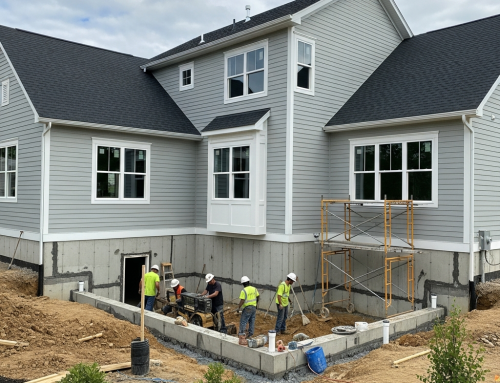
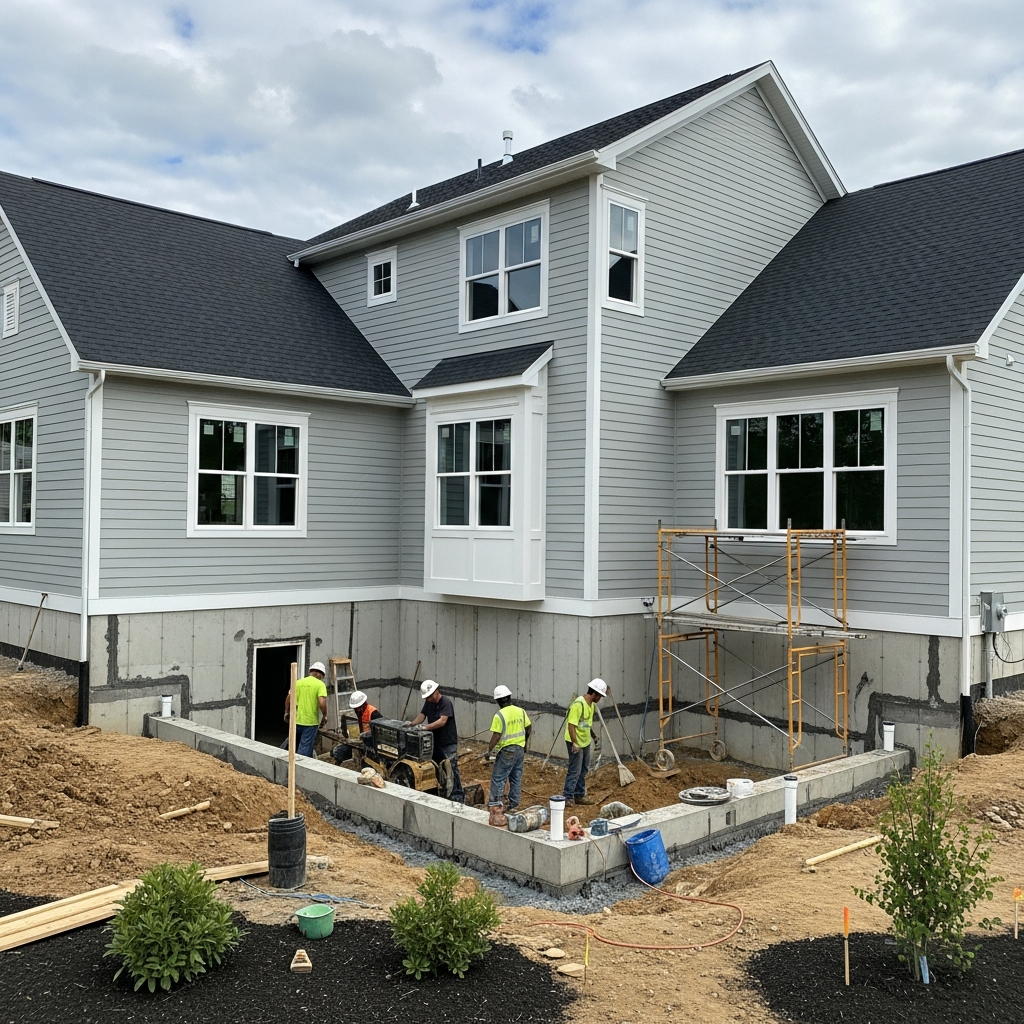
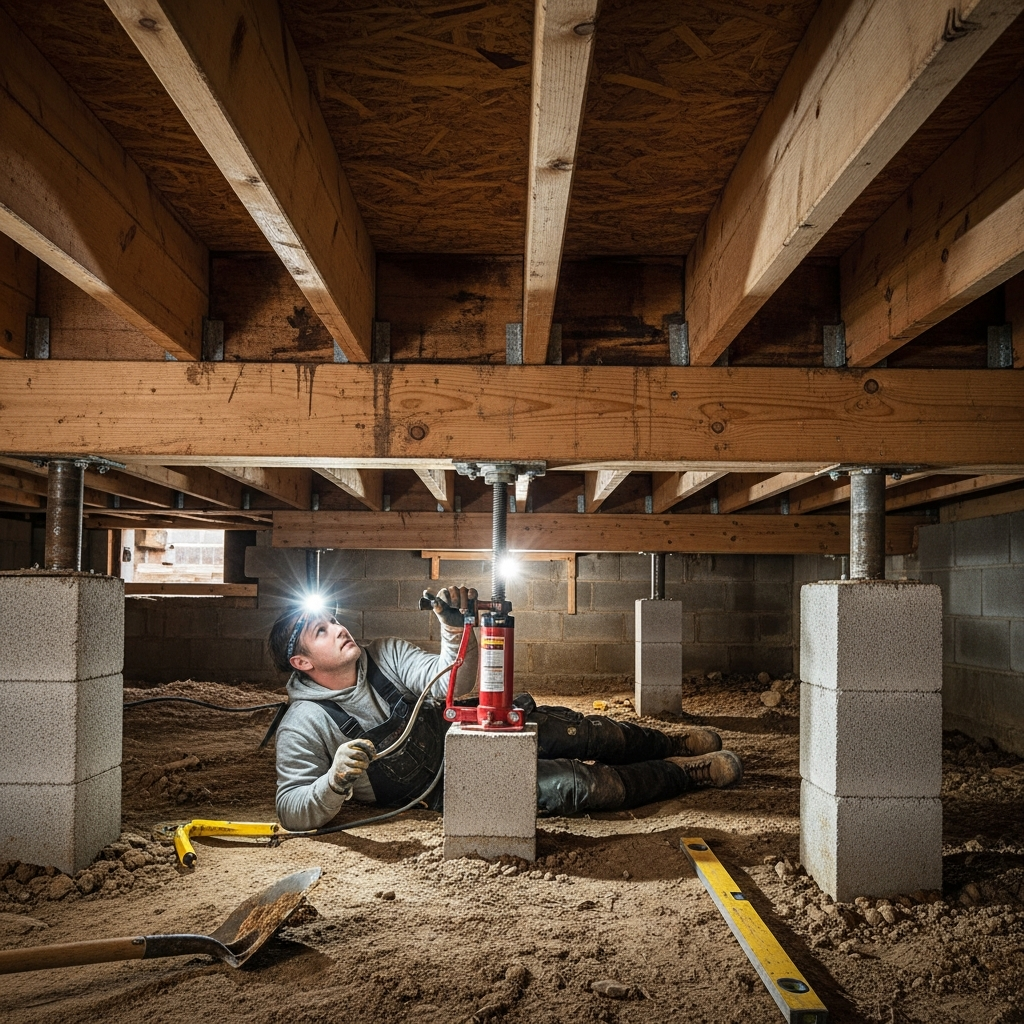
Look, I’m not going to sugarcoat this – foundation repair isn’t exactly a weekend DIY project. Most repairs take anywhere from a few days to a couple of weeks, depending on what you’re dealing with. If it’s a simple crack injection, you might be looking at a day or two. But if you need underpinning or extensive excavation? Well… that’s more like a 1-2 week affair.
The timeline really depends on your specific situation. Weather plays a role too – you can’t exactly pour concrete in a downpour or work with certain materials when it’s freezing. Your contractor should give you a realistic timeline upfront, and honestly, if they promise to fix everything in 24 hours, that’s probably a red flag waving pretty enthusiastically.
During the work, expect some noise. Foundation repair involves heavy machinery, jackhammers, and equipment that’s not exactly whisper-quiet. Most contractors work during regular business hours, but it’s worth asking about their schedule upfront. You don’t want any surprises at 6 AM on a Saturday.
The Mess Factor (And Why It’s Worth It)
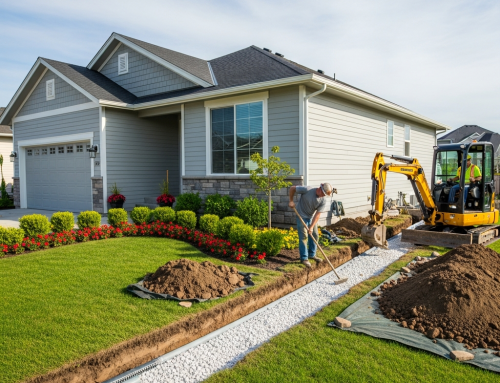
Here’s something nobody really talks about – foundation repair is messy. Really messy. There’s going to be dust, debris, and probably some serious disruption to your landscaping. If they’re working around your foundation, those prize-winning roses might take a hit.
But here’s the thing – a good contractor will protect what they can and restore what they disturb. They should lay down protective covering for walkways, move outdoor furniture, and generally try to minimize the chaos. When they’re done, they’ll backfill excavated areas and restore your yard to… well, mostly how it was before.
The dust situation is real though. Even with plastic sheeting, some fine particles will find their way inside. It’s like when you’re remodeling a bathroom and somehow drywall dust ends up in the kitchen three rooms away. Foundation work is similar – just plan for a thorough cleaning afterward.
Monitoring and Follow-Up Care
Once the repair is complete, your relationship with your foundation doesn’t just end. Think of it like getting a crown on a tooth – the immediate problem is fixed, but you still need to take care of it going forward.
Most reputable contractors will schedule a follow-up visit within the first few months. This isn’t because they expect problems – it’s because foundations settle and materials cure over time. They want to make sure everything’s performing as expected. Some minor settling is completely normal, especially with pier systems or underpinning work.
You’ll also want to keep an eye on things yourself. Not obsessively – you don’t need to inspect your foundation daily with a magnifying glass. But during your regular home maintenance routine, take a quick look around. Any new cracks? Changes in doors or windows? Just stay aware, you know?
Long-term Maintenance and Prevention
The best foundation repair is the one you never need in the first place. Now that you’ve invested in fixing your foundation, protecting that investment becomes pretty important.
Water management remains crucial – maybe even more so now. Make sure your gutters stay clean, your downspouts direct water well away from the house, and your yard grading still slopes away from the foundation. It’s like maintaining your car after a major repair – you want to prevent future problems.
Keep an eye on the moisture levels around your foundation too. In areas with expansive clay soils, maintaining consistent moisture can prevent that cycle of expansion and contraction that causes so much damage. Some homeowners install soaker hoses or drip irrigation systems specifically for this purpose.
Setting Realistic Expectations
Let’s be honest about something – foundation repair solves the structural problem, but it doesn’t always make cosmetic issues disappear completely. That crack in your drywall? It might come back as the house settles into its new, more stable position. This doesn’t mean the repair failed – it’s just part of the process.
Most contractors will explain this upfront, but it’s worth understanding that you might need to do some interior touch-up work down the road. It’s not the end of the world, just something to budget for mentally (and financially).
The key is working with contractors who set proper expectations from the beginning. Good ones will walk you through the entire process, explain potential hiccups, and help you understand what’s normal versus what’s concerning. Because when it comes to your foundation, knowledge really is power.
When Your Home’s Health Matters Most
You know, after walking through all the ways your foundation can impact your home’s structural integrity, it’s pretty clear that this isn’t just about concrete and soil. It’s about protecting the place where your family creates memories, where you feel safe, where you’ve invested so much of your heart and resources.
Think of foundation repair like preventive healthcare for your house. You wouldn’t ignore chest pains or persistent headaches, right? Those foundation cracks, uneven floors, and sticking doors? They’re your home’s way of asking for help. And just like with health issues, catching problems early makes all the difference – both for the fix itself and for your wallet.
The thing is… and I can’t stress this enough… foundation problems don’t get better with time. They’re not like a headache that goes away if you ignore it long enough. Actually, they’re more like that small leak in your roof that seems manageable until you’re dealing with water damage throughout your entire second floor. What starts as a hairline crack can evolve into something that affects your home’s entire structural system.
But here’s what I find reassuring – modern foundation repair isn’t the nightmare scenario it used to be. We’re not talking about tearing your house apart or living in construction chaos for months. Today’s methods are often minimally invasive, surprisingly quick, and designed to work around your life, not completely disrupt it.
The peace of mind that comes with addressing these issues? That’s honestly priceless. No more wondering if that new crack means trouble. No more second-guessing whether the floors feel more uneven than last month. No more worrying about what you might discover when you finally call someone to take a look.
Your home has been taking care of you – sheltering your family, holding your memories, appreciating in value (hopefully!). Sometimes it needs you to take care of it too. And that’s not a burden… it’s just part of the relationship.
Ready to Give Your Home the Support It Deserves?
If any of this resonates with you – if you’ve been noticing signs that make you wonder, or if you’re simply ready to stop worrying about “what if” – we’re here to help. Our team understands that foundation concerns can feel overwhelming, especially when you’re not sure what you’re dealing with or what it might cost to fix.
That’s why we start every conversation with a thorough, honest assessment. No pressure, no scare tactics – just clear information about what’s happening with your foundation and what your options look like. Because you deserve to make decisions from a place of understanding, not fear.
Your home’s foundation doesn’t have to be a source of stress. Let’s figure out together what it needs to keep supporting you and your family for years to come. Give us a call, and let’s start that conversation. You’ve got this – and more importantly, you don’t have to handle it alone.