Plano Foundation Repair Companies: What Sets Them Apart
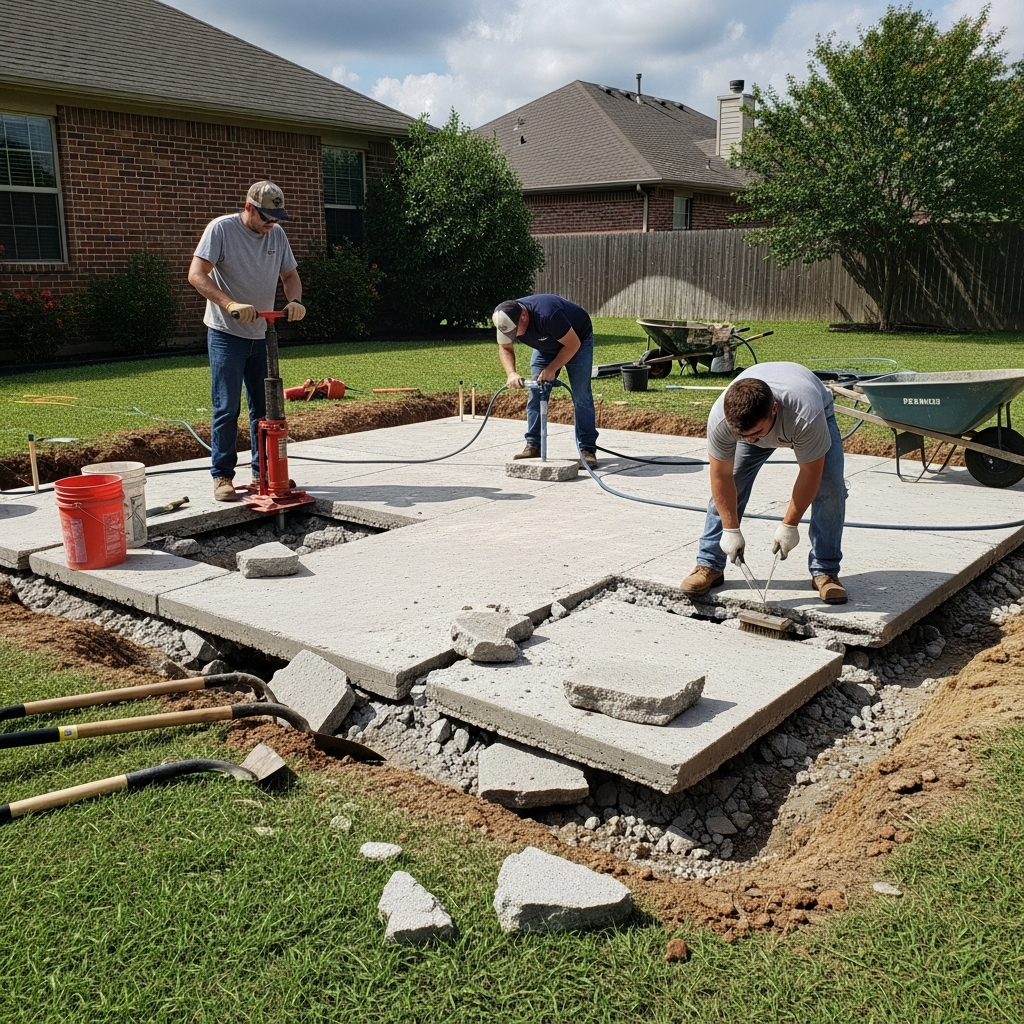
You’re lying in bed at 2 AM when you hear it – that subtle *crack* that makes your stomach drop. Was that the house settling, or something worse? You pad barefoot through the hallway, flipping on lights, searching for… well, you’re not sure what exactly. A crack in the wall? A door that suddenly won’t close? That nagging feeling that your foundation might be betraying you after all these years of faithful service.
If you’re a Plano homeowner, this scenario probably hits a little too close to home. The clay soil here… let’s just say it has a personality all its own. One week it’s shrinking away from your foundation like it’s afraid of commitment, the next it’s expanding against your home’s base like an overeager houseguest who doesn’t know when to leave.
And here’s the thing that keeps you up at night – foundation problems don’t exactly announce themselves with a marching band. They’re sneaky. Subtle. By the time you notice that crack in your living room wall or realize your front door needs a good shove to close properly, the issue might have been brewing underground for months.
That’s when you find yourself Googling “foundation repair Plano” at ungodly hours, scrolling through websites that all seem to promise the same thing: quick fixes, lifetime warranties, and prices that somehow manage to be both “competitive” and mysteriously absent from their websites. How do you even begin to choose?
Here’s what I’ve learned after talking to dozens of Plano homeowners who’ve been down this road – and trust me, it’s a road nobody wants to travel – the foundation repair companies serving our area aren’t all cut from the same cloth. Some understand the unique challenges of North Texas soil like it’s an old friend they’ve been wrestling with for decades. Others? Well, they treat every foundation problem like it’s the same cookie-cutter situation, regardless of whether they’re dealing with the expansive clay in Legacy West or the shifting soils near Spring Creek.
The difference matters more than you might think.
See, Plano sits in this geological sweet spot (and by sweet, I mean challenging) where the soil composition can change dramatically from one neighborhood to another. The foundation repair approach that works perfectly for a home in West Plano might be completely wrong for a house just a few miles away in East Plano. It’s like… imagine trying to bake a cake, but the flour keeps changing properties depending on which cabinet you pull it from. You’d need to adjust your recipe every single time, right?
That’s exactly what the best foundation repair companies here do – they adjust their approach based on your specific soil conditions, your home’s age and construction style, and even factors like how your property drains during those legendary Texas thunderstorms we get every spring.
But here’s what really keeps homeowners awake at night: How do you tell the difference between a company that truly gets it and one that’s just good at talking the talk? How do you avoid the high-pressure sales tactics, the inflated estimates, and the repair methods that might fix your problem today but create new headaches five years down the road?
I’ve spent considerable time digging into what makes foundation repair companies in Plano different from each other – and different from companies serving other parts of the country. Some of these differences are obvious once you know what to look for. Others are subtle but incredibly important for your home’s long-term stability and your wallet’s long-term health.
We’re going to walk through the specific factors that set the best Plano foundation repair companies apart from the rest. You’ll learn about the soil considerations that should influence every repair decision, the red flags that signal you might be dealing with a company that’s more interested in your checkbook than your home’s structural integrity, and the questions you should ask before anyone starts digging around your foundation.
Because at the end of the day, your foundation isn’t just supporting your house – it’s supporting your family’s security, your biggest investment, and your peace of mind. Don’t you think it deserves a company that understands exactly what they’re working with?
Why Foundations Matter More Than You Think
Your house is basically sitting on a giant concrete slab – or at least, that’s what most people picture. But here’s the thing… Plano’s clay soil has other plans for that nice, stable foundation you’re imagining.
Think of clay soil like a sponge that’s having an identity crisis. When it rains, it swells up like it’s trying to become a mattress. During our Texas droughts? It shrinks faster than your favorite shirt in hot water. This constant expanding and contracting puts your foundation through what engineers call “differential movement” – which is just a fancy way of saying your house is doing a very slow, very expensive dance.
The Clay Soil Reality (And Why It’s Actually Kind of Fascinating)
I’ll be honest – before I started writing about this stuff, I had no idea soil could be so… dramatic. But Plano sits right in the middle of what geologists call the “blackland prairie,” where expansive clay soils reign supreme.
This isn’t your garden-variety dirt we’re talking about. Expansive clay can generate pressures of up to 5,000 pounds per square foot when it swells. To put that in perspective, that’s like having a small elephant doing yoga on every square foot of your foundation. Not exactly what the original builders had in mind…
The really counterintuitive part? Sometimes the damage happens during dry spells, not wet ones. When clay dries out, it creates voids – empty spaces where your foundation literally loses support. It’s like someone’s pulling the rug out from under your house, one section at a time.
What Actually Goes Wrong (Beyond Obvious Cracks)
Sure, you’ll probably notice the obvious stuff first – cracks in your walls, doors that stick, windows that won’t close properly. But foundation problems are sneaky. They’re happening underground, out of sight, sometimes for years before you see any signs.
The most common issue? Slab heaving. That’s when sections of your concrete foundation literally get pushed upward by expanding soil underneath. Picture trying to sleep on a waterbed where someone keeps adding more water to random sections – except the “waterbed” is holding up your entire house.
Then there’s settlement, which is basically the opposite problem. Parts of your foundation sink down into voids left by shrinking clay. Your house develops this subtle but persistent tilt, like it’s slowly shrugging one shoulder.
The Engineering Behind the Fix
Here’s where it gets interesting – and honestly, a bit mind-boggling. Foundation repair isn’t about making things “like new.” It’s about creating stability in an inherently unstable environment.
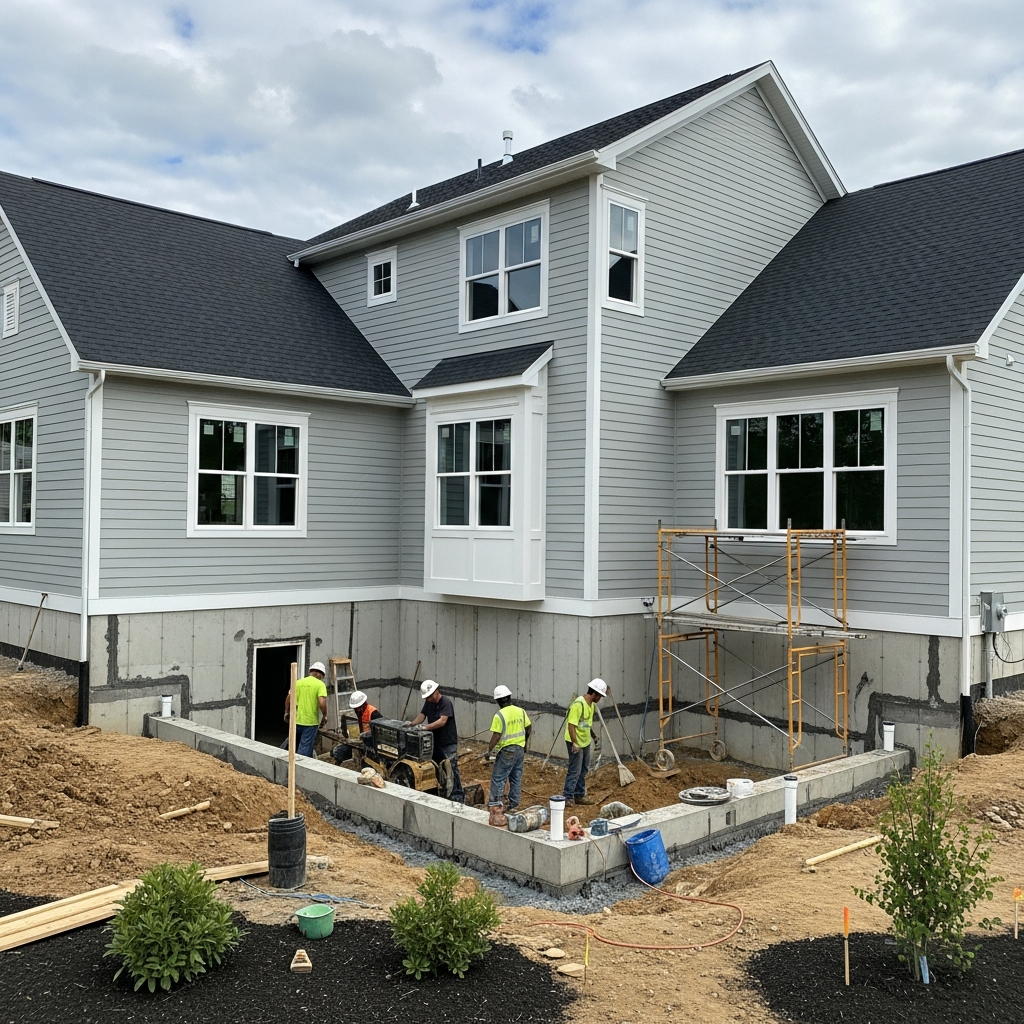
Most repair methods involve either lifting settled sections back to level (called underpinning) or stabilizing areas that are heaving. The most common approach uses steel push piers or helical piers – essentially really strong stakes that get driven down to stable soil layers, sometimes 20-30 feet underground.
Think of it like this: instead of building a house on shifting sand (or in our case, temperamental clay), you’re essentially building it on stilts that reach down to bedrock. The piers bypass all that problematic clay and transfer your home’s weight to soil layers that actually stay put.
Why Local Expertise Actually Matters
You know how your grandmother always said to use a local mechanic because they understand the quirks of cars in your climate? Same principle applies here, but with way higher stakes.
Plano’s soil conditions aren’t just challenging – they’re specifically challenging in ways that vary from neighborhood to neighborhood. A company that’s been working in this area for years will know that houses built in the 1980s near Coit Road tend to have different issues than newer construction near Legacy West.
They’ll also understand local building codes, permit requirements, and – this is crucial – how to work with Plano’s municipal inspection process. Because yes, foundation repair usually requires permits, and navigating that bureaucracy is… well, let’s just say it’s not for the faint of heart.
The really good local companies also understand seasonal timing. There’s actually an optimal time to do foundation work in North Texas, and it’s not when you might think. Hint: it has everything to do with soil moisture content and absolutely nothing to do with weather that’s comfortable for the workers.
What to Look for During Your Initial Consultation
Here’s the thing about foundation repair consultations – most homeowners think they’re just getting a free estimate, but you’re actually interviewing potential contractors. The best Plano companies? They’ll spend at least an hour walking your property, and I mean really walking it. Not just a quick peek at the obvious crack in your living room wall.
Watch how they move around your house. Do they check the exterior grading? Are they looking at your gutters and downspouts? A quality contractor will examine your HVAC system placement, note where water might be collecting, and – this is key – they’ll ask about your irrigation system. Clay soil and sprinklers don’t always play nice together, especially during our Texas summers.
The red flag moment comes when someone gives you a quote without getting under the house. Unless you’ve got a slab foundation (and even then), any legitimate estimate requires crawl space inspection. If they’re writing numbers on a clipboard after a 15-minute walkthrough… well, that tells you everything you need to know.
Questions That Separate the Pros from the Pretenders
You know what question stumps mediocre contractors every time? “What’s your plan if we hit unexpected soil conditions during the work?”
Plano’s soil composition can change dramatically from one side of your lot to the other – we’re talking about clay that shrinks and swells like a moody teenager. The experienced crews have contingency plans. They’ll explain how they adjust pier depths, what happens if they encounter rock ledge, and why they might need to switch from pressed concrete piers to steel push piers mid-project.
Here’s another good one: “How do you handle the cleanup and restoration?” Because here’s what nobody tells you – foundation repair is messy. Really messy. The top-tier companies include landscape restoration in their bids. They’ll replant your shrubs, reseed damaged grass areas, and some even guarantee their landscaping work for a full growing season.
And definitely ask about their crew structure. Are these employees or subcontractors? Employee-based crews tend to have better training, more consistent quality control, and… let’s be honest… they care more about your property because their reputation travels with the company name.
The Permit Game – What You Need to Know
Most foundation repairs in Plano require permits, but – and this is important – not all contractors handle this properly. The reputable companies will pull permits automatically and include the cost in your estimate. They’re not doing you a favor; they’re protecting themselves and you from potential liability issues.
But here’s where it gets tricky: some smaller repairs might not need permits, and unscrupulous contractors use this as an excuse to skip the permit process entirely, even on major work. If your repair involves more than minor adjustments or you’re adding new support systems, permits are typically required.
The permit process also gives you leverage. When a contractor pulls permits, the city inspector has to approve the work. That’s like having a third-party quality control specialist – for free. Any contractor who seems hesitant about permits is probably cutting other corners too.
Timeline Reality Check
Those “we can start Monday” promises? Usually too good to be true. Quality foundation work requires proper scheduling, and the best crews stay booked weeks in advance, especially during peak season (fall through early spring, when our clay soil is most stable).
Realistic timelines for most residential projects run 3-5 days for pier and beam work, 2-3 days for slab repairs. But weather delays happen – a lot. Smart contractors build buffer time into their schedules and communicate changes immediately.
Here’s an insider tip: ask about their rain policy. Professional crews won’t pour concrete or excavate in questionable weather. If they’re willing to work in the rain to meet a deadline… that’s concerning.
Payment Structure That Protects You
Never, ever pay the full amount upfront. I don’t care how convincing their sales pitch is. Standard practice in Plano runs something like: small deposit to secure your spot (usually 10-15%), larger payment when materials arrive on-site (maybe 40-50%), and final payment upon completion and your satisfaction.
The best companies offer financing options through established lenders, not their own in-house programs. Third-party financing often includes additional consumer protections that you won’t get with contractor financing.
And speaking of money – get everything in writing. Changes, timeline adjustments, additional work… if it’s not documented, it didn’t happen.
The “Sticker Shock” Reality Check
Let’s be honest – nobody budgets for foundation repair. You’re expecting maybe a few thousand dollars, then BAM… you’re looking at estimates that could fund a nice vacation. The truth? Quality foundation work isn’t cheap, and there’s usually a good reason why.
Here’s what actually helps: get at least three detailed estimates, but don’t just compare the bottom line numbers. Look at what’s included – some companies quote bare bones pricing then hit you with “necessary” add-ons later. The best Plano contractors will walk you through exactly what they’re doing and why. If someone can’t explain their pricing in terms you understand… well, that’s a red flag waving pretty hard.
Also – and this might sting a bit – the lowest bid often costs you more in the long run. Foundation work done wrong doesn’t just fail; it can make your original problem worse.
When Contractors Ghost You (Or Become Suddenly Evasive)
You’ve probably heard the horror stories. Contractor takes a deposit, shows up sporadically for two weeks, then vanishes into the Texas heat. Or they start the job, hit an “unexpected complication,” and suddenly need another $8,000 to continue.
The good news? Reputable Plano foundation companies have established reputations they won’t risk for a quick payday. Check their Better Business Bureau rating, sure, but more importantly – drive by some of their recent job sites. Talk to neighbors. A company that’s been fixing foundations in Plano for 15+ years didn’t get there by leaving jobs half-finished.
Red flags include: demanding large upfront payments (legitimate companies typically ask for materials costs upfront, not 75% of the total job), giving you a “today only” price, or being unable to provide local references from the past year.
The Permit Puzzle That Nobody Talks About
Here’s something that trips up almost everyone: foundation work often requires permits, but the requirements can be… let’s call them “flexible” depending on the scope. Some homeowners try to skip this step to save money and time. Don’t.
Working without permits isn’t just about following rules – it can void your insurance coverage and create nightmares when you try to sell your house. Good Plano contractors will handle the permit process for you, but here’s the catch: it can add 1-2 weeks to your project timeline. Plan accordingly.
Actually, that reminds me – always ask upfront who’s responsible for permits. Some contractors include this in their service, others make it your responsibility. There’s no right or wrong answer, but you need to know before work starts.
The Insurance Dance (And Why It Gets Complicated)
If your foundation issues stem from plumbing leaks or other covered events, you might expect insurance to step up. Sometimes they do. Sometimes… well, sometimes you’ll feel like you’re negotiating with a brick wall that speaks fluent fine print.
The reality is that insurance companies often classify foundation problems as “maintenance issues” rather than covered damage. But don’t give up without a fight – especially if you can document that the damage happened suddenly rather than gradually.
Pro tip: get your foundation assessment done quickly after discovering the problem, and document everything with photos. Some Plano contractors have experience working with insurance adjusters and can help present your case more effectively.
Managing Life During Foundation Work
Nobody warns you about this part, but foundation repair can feel like living in a construction zone for weeks. Your yard will look like a moonscape. Dust gets everywhere – and I mean everywhere. The noise… well, let’s just say you’ll appreciate silence in a whole new way.
The smart move? Plan to stay elsewhere for the heaviest construction days if possible. If you can’t, invest in some serious earplugs and prepare to eat a lot of takeout (your kitchen might be unusable). Set up a temporary “clean zone” in your house where you can retreat from the chaos.
Most importantly – communicate with your contractor about the daily schedule. Knowing when the loudest work happens helps you plan around it instead of being ambushed by jackhammering at 7 AM.
The Follow-Up Challenge
Here’s where many contractors fall short: after the work’s done and paid for, they disappear faster than free pizza at a college dorm. But foundation work often needs minor adjustments as things settle – that’s normal, not a sign of poor workmanship.
Choose a contractor who offers a solid warranty and actually honors it. The best Plano companies will check back with you after 6-12 months, not because there’s necessarily a problem, but because they want to catch any minor issues before they become major ones.
Setting Realistic Expectations for Your Foundation Repair Timeline
Here’s the thing about foundation work – it’s not like getting your oil changed. You can’t just drop off your house on a Tuesday and pick it up by Thursday, good as new. Foundation repair is more like… well, think of it as surgery for your home. It takes time, precision, and honestly? A fair amount of patience on your part.
Most Plano foundation repair projects take anywhere from one to three weeks to complete, depending on what we’re dealing with. A simple pier installation might wrap up in just a few days, while extensive underpinning work could stretch into that three-week territory. And here’s something contractors don’t always mention upfront – weather can throw a wrench into everything. Texas weather, as you know, has its own agenda.
The good news? Plano’s established foundation companies have seen it all. They’ve worked through surprise rainstorms, unexpected soil conditions, and that one time when someone’s sprinkler system decided to flood the work area (it happens more than you’d think). They build buffer time into their schedules because they know Murphy’s Law applies especially well to foundation work.
What Happens During the Waiting Period
Your house won’t be a construction zone the entire time, though. There’s usually a natural rhythm to foundation work – intense activity for a few days, then a pause while concrete cures or permits get processed. During these quieter periods, you’ll still have full access to your home. You might hear some settling sounds as things adjust, but that’s completely normal.
Actually, that reminds me – many homeowners panic when they hear their house “talking” during and after foundation repair. Those little creaks and pops? That’s just your home finding its new equilibrium. It’s like when you crack your knuckles, but for houses.
Most Plano companies will walk you through a detailed timeline before work begins. They’ll explain when the heavy machinery arrives, when you might need to relocate your car, and – this is important – when you’ll start seeing actual progress. Because let’s be honest, the first few days can look like organized chaos in your yard.
The Inspection and Final Walkthrough Process
Once the heavy lifting is done, there’s still a bit more waiting involved. Most foundation work needs time to settle – literally. Concrete needs to cure properly, and your house needs to adjust to its new support system. This isn’t corner-cutting; it’s physics.
The inspection process typically happens in stages. Your contractor will do their own quality checks throughout the project, but the city inspector visits toward the end. And here’s a reality check – sometimes inspectors find small issues that need tweaking. It’s not a reflection on your contractor’s work; it’s just part of the process. Good Plano companies expect this and factor it into their timelines.
During the final walkthrough, your contractor should explain exactly what they’ve done and what you can expect going forward. This isn’t just a formality – it’s your chance to ask questions, understand the warranty details, and get tips for maintaining your newly stabilized foundation.
Managing Your Expectations (and Your Stress Level)
Foundation repair can feel overwhelming, especially if you’re dealing with doors that won’t close properly or cracks that seem to appear overnight. But here’s what I’ve learned from talking to countless homeowners who’ve been through this process – the anticipation is almost always worse than the reality.
Most Plano foundation companies will assign you a project manager or point person who becomes your go-to contact throughout the process. Use them. Ask questions. Get updates. The best contractors actually appreciate clients who stay engaged because it prevents misunderstandings down the road.
And here’s something nobody tells you – foundation repair often makes your house feel more solid than it has in years. Many homeowners report that doors close more smoothly, floors feel more level, and those mysterious cracks stop growing. It’s like getting a new lease on your home’s structural life.
The key is choosing a contractor who communicates clearly from day one. They should explain not just what they’re going to do, but why they’re doing it that way, how long each phase will take, and what you should expect to see (and hear) along the way. Because when you know what’s normal, the whole process becomes much less stressful.
When Your Home Needs Help, You’re Not Alone
Look, dealing with foundation issues isn’t exactly how anyone wants to spend their time or money. You’re probably feeling overwhelmed – maybe a little scared about what this might cost or how disruptive it’ll be to your daily life. And honestly? Those feelings are completely valid.
But here’s what I want you to remember: you live in an area where foundation repair isn’t some mysterious, rarely-practiced art. It’s practically a local specialty. The contractors here have seen it all – from minor settling issues to those dramatic cracks that make your heart sink. They’ve been dealing with our unique clay soil conditions for decades, watching houses shift and settle, learning exactly how to bring them back to solid ground.
The companies that have thrived in this market aren’t just lucky – they’re good at what they do. They understand that your foundation isn’t just concrete and steel… it’s literally what your entire life rests on. Your morning coffee routine, your kids’ bedtime stories, your quiet Sunday afternoons – all of it happens above that foundation.
What really sets the best local teams apart isn’t just their technical expertise (though that matters, obviously). It’s how they treat this very personal process. They know you’re not just fixing a foundation – you’re protecting your home, your investment, your peace of mind. The right contractor will walk you through everything, explain what they’re seeing, and help you understand your options without making you feel rushed or pressured.
Sure, foundation repair can feel like a big step. But waiting rarely makes things better or cheaper. Those small cracks? They tend to grow. That slight slope in your hallway? It’s probably not going to level itself out over time.
The good news is that you don’t have to figure this out alone. The expertise exists right here in your community – teams who’ve solved problems exactly like yours hundreds of times before. They know which solutions work best for our specific conditions, which materials hold up over time, and how to minimize disruption to your daily routine.
Ready to Take the Next Step?
If you’ve been noticing signs that something’s not quite right with your foundation, you don’t have to keep wondering and worrying. A simple consultation can give you answers – and often, peace of mind.
Most reputable local companies offer free evaluations where they’ll take a close look at what’s happening, explain what they’re seeing in plain English, and give you honest guidance about your options. No pressure, no scary sales tactics – just professional insight into what’s actually going on beneath your feet.
You deserve to feel confident in your home again. Whether that means minor repairs, major work, or just the reassurance that everything’s actually fine – the only way to know for sure is to reach out.
Take that first step. Call a few local companies, ask questions, get those evaluations. Your future self (and your family) will thank you for addressing this head-on rather than hoping it’ll somehow resolve itself.
Your home has been taking care of you – now it’s time to take care of it.