Richardson Fix Foundation Problems: Early Warning Signs
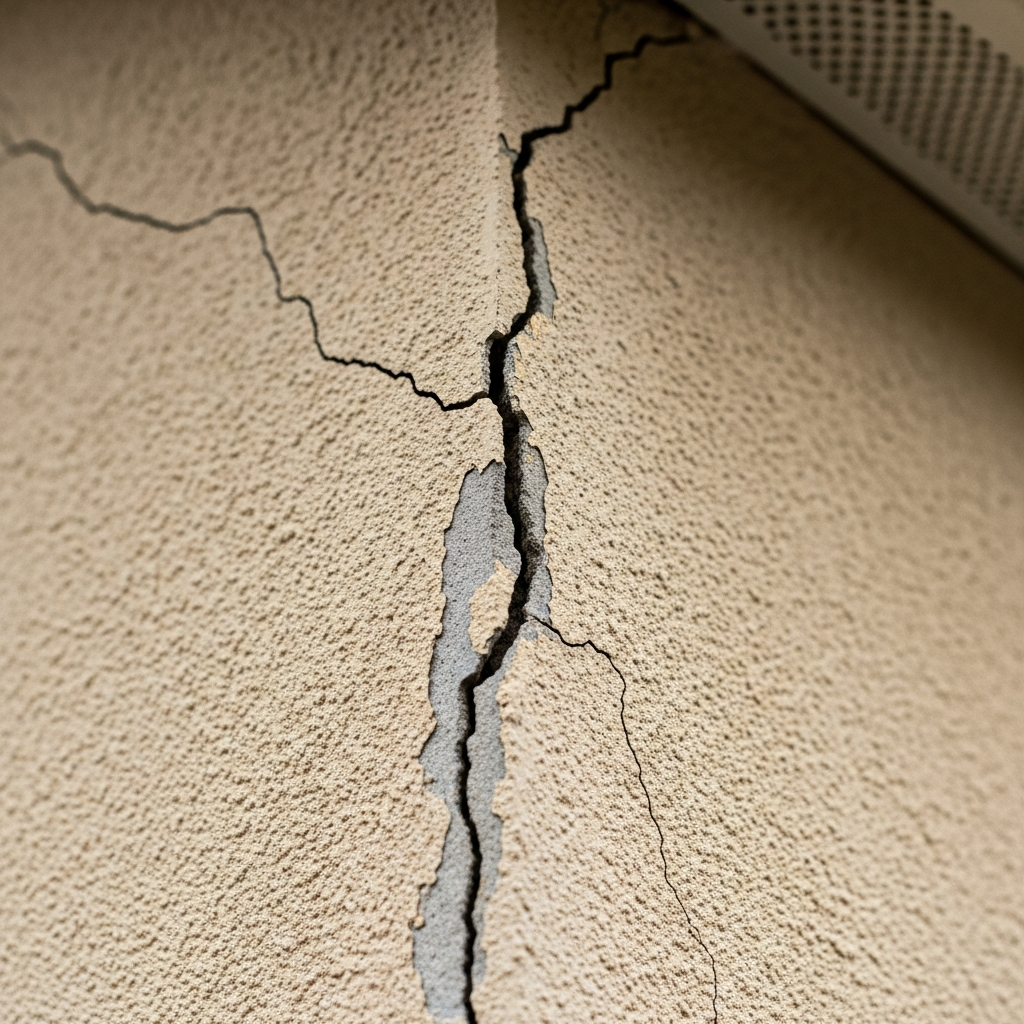
You’re rushing to get ready for work when you notice it – that tiny crack running along your bathroom wall that definitely wasn’t there last month. Or maybe it’s the way your front door suddenly sticks when you try to close it, requiring that extra shoulder shove you never needed before. Perhaps it’s something even subtler… the way your hardwood floors seem to have developed this slight slope near the kitchen island, making your coffee mug slide just a bit when you set it down.
Here’s the thing about foundation problems – they’re a lot like that friend who’s clearly having relationship issues but insists everything’s “totally fine.” The signs are there, plain as day, but we tell ourselves it’s probably nothing. Just normal settling, right? Houses do that. It’s not like the foundation is actually… oh.
But here’s what I’ve learned from talking to countless Richardson homeowners over the years: those little warning signs you’re brushing off? They’re actually your house trying to have a very important conversation with you. And trust me, you want to listen before that conversation turns into shouting.
Think about it this way – your foundation is basically doing the same job as the bones in your body. When something’s wrong with your foundation, it affects everything else. That sticking door isn’t just annoying… it’s telling you the house is shifting. Those hairline cracks aren’t just cosmetic issues – they’re stress fractures showing you where pressure is building up.
And if you’re living in Richardson specifically? Well, you’re dealing with some pretty unique challenges that make foundation awareness even more critical. Our clay soil has this charming personality trait where it expands like a sponge when it’s wet and shrinks like a raisin when it’s dry. It’s like living on geological silly putty, honestly. Add in our Texas weather – you know, those dramatic swings from drought to downpour that make your weather app look like it’s having an identity crisis – and your foundation is constantly dealing with stress.
The scary part isn’t that foundation problems happen (they do, especially here). It’s that most people don’t catch them early enough. By the time you’re seeing obvious signs – doors that won’t close, windows that stick, cracks you could fit a pencil through – you’re already looking at repairs that could cost… well, let’s just say it’s the kind of number that makes you consider taking up extreme couponing.
But what if you could spot the early warning signs before they become major problems? What if you knew exactly what to look for during your regular weekend house puttering? What if you could be the homeowner who catches foundation issues while they’re still manageable, instead of the one calling contractors with panic in your voice?
That’s exactly what we’re going to cover. I’m going to walk you through the subtle signs that most people miss – the ones that show up months or even years before the obvious damage. We’ll talk about what’s normal settling (yes, that’s a real thing) versus what’s actually cause for concern. You’ll learn which problems you might be able to address yourself and which ones need professional attention immediately.
More importantly, you’ll understand why Richardson foundations face the specific challenges they do. Because knowing the “why” behind foundation problems makes you so much better at spotting the “what” when it shows up in your own home.
Look, I’m not trying to make you paranoid about every little crack or sound your house makes. Houses are living, breathing structures, and some changes are completely normal. But I am trying to give you the knowledge to tell the difference between “normal house stuff” and “I should probably call someone about this.”
Because here’s the bottom line – catching foundation problems early isn’t just about avoiding expensive repairs (though that’s certainly nice). It’s about protecting what’s probably your biggest investment and keeping your family safe and comfortable in your home.
So grab that cup of coffee, and let’s talk about what your house might be trying to tell you…
What Makes Foundations Fail in the First Place
Your foundation is basically holding up the entire weight of your house – and I mean literally everything. The walls, roof, your grandmother’s piano, that collection of books you swear you’ll read someday… it’s all pressing down through the structure and onto those concrete footings beneath your home.
Now here’s where it gets interesting (and a bit scary, honestly). Richardson sits on what geotechnical engineers lovingly call “expansive clay soil.” Think of it like a giant sponge under your house – except this sponge has mood swings.
When it rains, the clay soaks up water and expands. During our notorious Texas droughts? It shrinks and pulls away from your foundation. This constant expanding and contracting creates what’s essentially an earthquake in slow motion under your home. Over months and years, this movement puts incredible stress on your foundation walls and concrete slab.
The Perfect Storm of Factors
Richardson’s location makes it particularly vulnerable to foundation issues – actually, it’s kind of a perfect storm when you think about it. We’ve got that temperamental clay soil, plus we’re in North Texas where the weather can’t make up its mind. One week we’re getting three inches of rain, the next we’re in a month-long dry spell.
But here’s what most homeowners don’t realize: your foundation problems often start long before you see any cracks. The soil movement begins affecting the concrete immediately, creating tiny stress points that gradually worsen. It’s like bending a paperclip back and forth – it might hold for a while, but eventually…
The concrete itself plays a role too. Foundation concrete is incredibly strong under compression (being pressed down), but it’s surprisingly weak when pulled apart or twisted. When that clay soil shifts, it’s essentially twisting and pulling at your foundation from below.
How Foundations Actually Distribute Weight
Here’s something that might surprise you – your foundation isn’t just a big concrete block sitting in the ground. It’s an engineered system designed to spread your home’s weight across the soil below.
Think of it like snowshoes. When you walk on snow with regular boots, you sink right through. But snowshoes spread your weight over a larger area, so you stay on top. Your foundation does the same thing – those footings extend beyond your walls to distribute the load across more soil.
When Richardson’s clay soil starts its expansion and contraction dance, it’s like the snow underneath those snowshoes is constantly changing density. Sometimes it’s supportive, sometimes it’s… well, not. The foundation has to adapt to these changes, and over time, something’s got to give.
The Domino Effect Nobody Talks About
What makes foundation problems particularly sneaky is how they create a domino effect throughout your home. It starts small – maybe the soil shifts just a quarter inch on one corner of your house. That tiny movement puts stress on the foundation wall, which then affects the floor joists above it.
Those stressed floor joists start to sag slightly, which puts pressure on the walls they’re supporting. The walls develop hairline cracks, doors start sticking, and before you know it, you’re dealing with problems on every level of your home.
I’ve seen homeowners spend thousands fixing cosmetic issues – repairing drywall cracks, releveling floors, replacing doors – without addressing the underlying foundation movement. It’s like putting a band-aid on a broken pipe. The symptoms keep coming back because the root cause is still there.
Why Early Detection Matters More Than You’d Think
Here’s the counterintuitive part that catches most people off guard: foundation repairs are often less expensive when caught early, but the warning signs are usually subtle. By the time you see obvious problems – big cracks, doors that won’t close, or floors that feel like a funhouse – the damage has often progressed significantly.
Early foundation movement might only require targeted soil stabilization or minor concrete work. But once the structure starts compensating for that movement… well, that’s when simple problems become complex (and expensive) ones.
The good news? Richardson homeowners who know what to look for can catch these issues while they’re still manageable. And trust me, your future self will thank you for paying attention to those early warning signs.
When Your House Starts Whispering (Listen Carefully)
You know that feeling when something’s just… off? Your house has the same way of communicating. The trick is learning its language before it starts shouting.
Walk around your home every few months – and I mean really walk, not that rushed dash from car to front door. Look for hairline cracks that seem to appear overnight. They’re sneaky little things, starting thin as a pencil mark near windows and doors. Actually, that’s where foundations usually give their first warnings… around openings where the structure’s already a bit compromised.
Here’s something most people miss: take photos. Seriously. Use your phone to document every crack, no matter how tiny. Date them. What seems harmless today might be a pattern three months from now. I’ve seen homeowners swear a crack “just appeared” when their photos show it’s been growing for months.
The Telltale Door Drama
Doors that suddenly stick? Windows that won’t close properly? Your house isn’t being difficult – it’s shifting.
Try this: grab a level (borrow one if you don’t have it) and check your door frames. If they’re no longer square, your foundation’s moving. But here’s the thing – don’t panic over every little adjustment. Houses settle naturally, especially newer ones. What you’re watching for is rapid change or multiple doors acting up simultaneously.
Keep a log – sounds obsessive, but trust me on this. “Kitchen door sticky – March 15th.” “Bathroom window won’t latch – March 22nd.” Patterns matter more than individual incidents.
The Water Detective Game
Water damage and foundation problems go together like… well, like problems you really don’t want together.
Check your basement or crawl space after every heavy rain. I’m talking flashlight-in-hand, looking-for-trouble inspection. Fresh water stains, that musty smell that wasn’t there before, dampness where it shouldn’t be – these are your foundation’s SOS signals.
And gutters? They’re more important than you think. Clogged gutters dump water right next to your foundation, which is like… imagine someone constantly pouring water next to a sandcastle. Not great for structural integrity.
Here’s a pro tip most people never consider: check where your sprinklers hit. If they’re soaking the ground right against your house, you’re essentially creating your own foundation problem. Redirect them so water flows away from your home.
The Floor’s Secret Messages
Ever notice how that one spot in the hallway feels different under your feet? Maybe it bounces slightly, or feels softer somehow?
Walk barefoot through your house occasionally – no shoes, no socks. Your feet are incredibly sensitive to changes your eyes might miss. Sagging floors, soft spots, areas that feel “wrong” – they’re often connected to foundation movement or moisture problems below.
If you’ve got hardwood floors, watch for gaps that appear between boards. Sure, seasonal changes cause some movement, but new gaps that stay open? That’s worth investigating.
The Outside Perimeter Check
Most foundation problems announce themselves outside first. Make it a habit to walk your home’s perimeter – maybe when you’re watering plants or checking the mail.
Look for soil pulling away from your foundation. It creates these little moats that collect water, and water is your foundation’s worst enemy. Fill these gaps, but also ask yourself why they’re happening. Excessive drying? Poor drainage? The answer helps prevent future problems.
Brick or stone exteriors tell great stories if you know how to read them. Step-crack patterns (they look like tiny staircases) usually mean settling. Horizontal cracks? That’s more serious – potential pressure from soil or water.
When to Stop Investigating and Start Calling
Here’s the uncomfortable truth: there’s a line between being proactive and being in denial. If you’re finding multiple warning signs, or if changes are happening quickly, it’s time to call professionals.
Don’t wait for the “right time” financially. Foundation problems don’t pause for your budget – they accelerate. A small repair today beats a massive overhaul next year.
And honestly? Sometimes the peace of mind from a professional inspection is worth the cost, even if everything’s fine. Sleep better knowing you’re not ignoring something important.
The key is staying observant without becoming paranoid. Your house will tell you what it needs – you just need to learn how to listen.
When the Ground Shifts Beneath You (Literally)
Let’s be honest – foundation problems in Richardson don’t announce themselves with a polite knock on your front door. They’re more like that relative who shows up unannounced and overstays their welcome. And by the time you notice something’s wrong? Well, you’re already dealing with more than you bargained for.
The thing is, most homeowners get completely blindsided by how quickly these issues can escalate. One day you’re noticing a tiny crack near your kitchen window, thinking “eh, I’ll deal with that later.” Fast forward three months, and suddenly your doors won’t close properly, there’s a gap you could fit a pencil through along your baseboard, and you’re wondering if your house is trying to tell you something important.
The “It’s Probably Nothing” Trap
Here’s where things get tricky – and expensive. Richardson’s clay soil has this delightful habit of expanding and contracting like it’s doing yoga. When it’s wet, it swells. When it dries out (hello, Texas summer), it shrinks. Your foundation? It’s basically riding this geological roller coaster whether it wants to or not.
Most people see their first warning sign and think, “Oh, that’s just settling.” Or they’ll notice their garage door getting harder to open and blame the opener mechanism. Actually, that reminds me of a client who spent $300 on a new garage door motor when the real problem was foundation movement causing the frame to shift.
The brutal truth? Denial is expensive. Every month you wait, that minor settling could be turning into actual structural movement. And trust me, your foundation doesn’t care about your budget timeline.
The DIY Disaster Zone
Look, I get it. YouTube makes everything look doable, and foundation repair seems like it should be straightforward, right? Just pump some concrete under there, maybe add a few piers, call it a day…
Stop. Right there.
Richardson’s soil conditions aren’t something you can Google your way through. We’re talking about highly expansive clay that can exert thousands of pounds of pressure per square foot. That innocent-looking crack in your wall? It might be connected to soil movement fifteen feet away from your house.
I’ve seen homeowners try to “fix” foundation issues with everything from expanding foam to hydraulic cement. One person even tried jacking up their house with car jacks (please, please don’t). The result is usually making the problem worse – and way more expensive to fix properly later.
The Analysis Paralysis Problem
Then there’s the flip side – homeowners who get so overwhelmed by foundation terminology and repair options that they just… freeze. Pressed piers versus helical piers, slab jacking versus mudjacking, drainage solutions, soil stabilization… it’s like learning a foreign language when you’re already stressed about your biggest investment.
Here’s what actually helps: start with the basics. Get a proper foundation inspection from someone who knows Richardson’s specific soil challenges. Most reputable companies will do this for free, and honestly? A good inspector can translate all that technical stuff into plain English.
Money Fears and Reality Checks
Let’s talk about the elephant in the room – cost. Foundation repair isn’t cheap, and the internet is full of horror stories about $50,000 bills that came out of nowhere. But here’s the thing that might surprise you: catching problems early usually means spending thousands, not tens of thousands.
That hairline crack you’re watching? If it’s foundation-related and you address it now, you might be looking at targeted pier installation or drainage improvements. Wait until your floors are visibly sloping and doors won’t close? Now you’re talking about major structural work.
The Neighbor Network Solution
One thing that actually works really well in Richardson is talking to your neighbors – especially the ones who’ve been around a while. Foundation issues often affect multiple houses in the same area because… well, they’re sitting on the same soil.
Mrs. Johnson three houses down probably dealt with similar problems two years ago. She might have great insights about which contractors really understand the neighborhood’s soil conditions, what solutions worked (or didn’t), and what to expect timeline-wise.
Moving Forward Without the Overwhelm
The best approach? Think of foundation problems like a leaky roof. You wouldn’t ignore water dripping into your living room, right? Same principle applies here. Address the obvious signs, get professional input, and remember that your house has been standing for years – it’s not going anywhere overnight.
Just don’t wait until next year’s drought season to start paying attention.
What Happens After You Spot the Warning Signs
So you’ve walked around your house with our checklist, and honestly? You’re probably feeling a mix of relief and concern right about now. Maybe you found a few hairline cracks that weren’t there last year, or perhaps that door that’s been sticking suddenly makes more sense. That’s completely normal – most homeowners feel this way when they start really looking at their foundation.
Here’s the thing about foundation issues… they don’t work on your timeline. I know, I know – you want answers yesterday and fixes tomorrow. But foundation problems are like that friend who takes forever to get ready – rushing them usually makes things worse.
The Reality Check You Need (But Probably Don’t Want)
If you’ve spotted early warning signs, you’re actually ahead of the game. Seriously. Most people ignore these signals until their foundation is practically waving a white flag. You’re being proactive, which means you’ve got options.
That said, let’s talk timelines. A proper foundation inspection takes time – we’re talking about scheduling with a structural engineer, not calling your neighbor who “knows about concrete.” Expect to wait anywhere from a week to a month just to get someone qualified out there, depending on the season. (Spring and fall? Good luck getting anyone quickly. Everyone’s suddenly concerned about their foundation when the weather shifts.)
The inspection itself might take a few hours, but the real waiting game starts with the report. A thorough engineer won’t just glance around and give you a thumbs up – they’re measuring, calculating, sometimes even bringing out equipment that looks like it belongs in a science lab.
Understanding the “Wait and See” Period
Here’s where it gets tricky… sometimes the best action is inaction. I know that sounds backward, but hear me out.
Not every crack means your house is about to slide into the neighbor’s yard. Some settlement is normal – your house is heavy, and the earth beneath it is constantly shifting in tiny ways. It’s like how your favorite jeans settle after you’ve worn them a few times.
A good foundation specialist might actually tell you to monitor and document rather than immediately start digging. This means taking photos, measuring cracks, and checking back in a few months. It feels like doing nothing, but it’s actually gathering crucial data about whether your foundation issues are active or just… well, old news.
The Emotional Rollercoaster (Because Let’s Be Honest)
You’re going to have moments where you convince yourself your house is doomed. Then you’ll have days where you think maybe you’re overreacting. This back-and-forth is exhausting, and frankly, it’s why a lot of people either panic and overspend or ignore problems until they’re massive.
Try to remember – foundation issues that develop slowly can usually be fixed slowly. It’s the sudden, dramatic changes you need to worry about. That crack that appeared overnight? That’s different from the one that’s been growing millimeter by millimeter over two years.
Your Action Plan (The Practical Stuff)
Start documenting everything now. Photos with dates, measurements if you can manage them, notes about when you first noticed issues. Your phone’s camera is perfect for this – just create a folder called “House Foundation” and start collecting evidence.
Get multiple opinions, but not from every contractor with a business card. One structural engineer, maybe two if the first opinion seems off. More than that and you’ll just confuse yourself with conflicting advice.
And here’s something nobody tells you – budget for this to take longer than you want. Foundation work often reveals other issues (surprise! that’s why your floors are uneven), and weather can delay outdoor work for weeks.
Moving Forward Without Moving Backward
The hardest part? Living normally while you’re dealing with this. You don’t need to walk on eggshells in your own home, but you also shouldn’t ignore new symptoms just because you’re already dealing with the old ones.
Think of it like this – you’re not just fixing a problem, you’re investing in peace of mind. That’s worth something, even if the timeline feels endless and the process occasionally makes you want to rent an apartment instead.
Most foundation issues, when caught early, are manageable. Not cheap, not quick, but manageable. And honestly? That’s better than most homeowner problems you could be dealing with.
Taking the Next Step Forward
You know what? Foundation issues might seem overwhelming at first glance, but here’s the thing – you’re already ahead of the game just by learning about these warning signs. Most homeowners in Richardson walk past that tiny crack in their basement wall for months (or let’s be honest… years) before it finally clicks that something’s not quite right.
The truth is, your home has been trying to tell you its story all along. Those hairline cracks, the door that suddenly won’t close properly, that weird gap where the wall meets the ceiling – they’re not just random annoyances. They’re your house’s way of asking for a little TLC before things get more serious.
And here’s what we’ve learned from helping countless Richardson families: the earlier you catch these signs, the simpler – and more affordable – the solutions tend to be. It’s like that small leak under your kitchen sink… you can either grab some plumber’s putty now, or wait until you’re dealing with water damage throughout your entire downstairs. We both know which option sounds better.
The seasonal shifts we get here in North Texas don’t make things easier, do they? Between our clay soil expanding with spring rains and shrinking during those brutal summer months, our foundations are basically on a never-ending roller coaster. But that’s exactly why staying alert to these warning signs matters so much – because this cycle isn’t stopping anytime soon.
Look, nobody expects you to become a foundation expert overnight. That’s not your job. Your job is simply to notice when something feels… off. Trust that instinct. If you’re walking through your home and thinking, “Hmm, was that crack always there?” or “I don’t remember this door being so difficult to open” – those moments of doubt? They’re worth investigating.
The beautiful thing about addressing foundation concerns early is that it often means preserving not just your home’s structural integrity, but your peace of mind too. There’s something incredibly reassuring about knowing your foundation is solid – literally and figuratively. It’s like getting a clean bill of health from your doctor; suddenly you can focus on everything else without that nagging worry in the back of your mind.
Ready to Get Some Answers?
If any of those warning signs we discussed are ringing a bell for you, why not get a professional opinion? Sometimes all it takes is having an expert walk through your home to either confirm that everything’s fine (what a relief that would be!) or create a plan to address any issues before they become bigger problems.
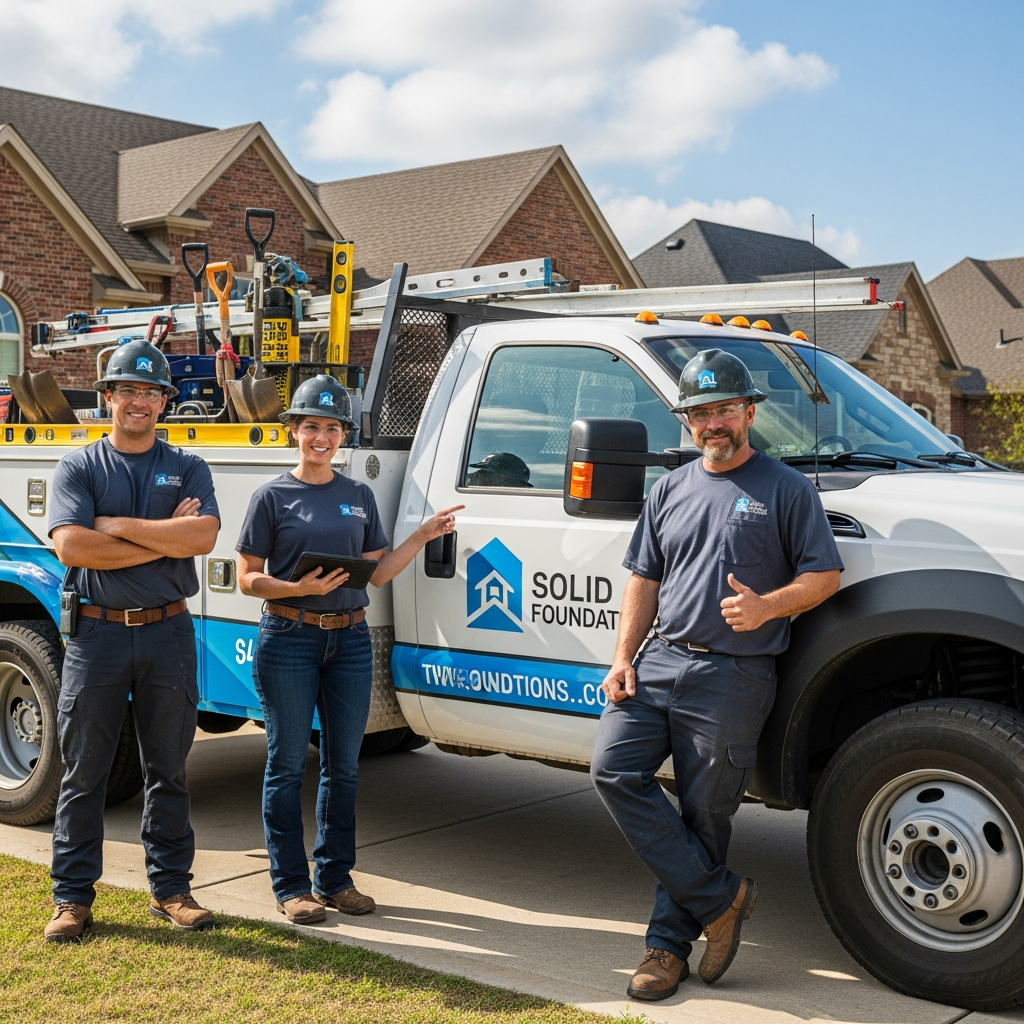
Our team has been helping Richardson homeowners protect their most important investment for years now, and honestly? We love putting worried minds at ease. Whether it turns out you need immediate attention or just want to establish a baseline for future reference, we’re here to help you understand exactly what’s going on with your foundation.
Give us a call when you’re ready. No pressure, no pushy sales tactics – just honest answers about your home’s foundation and what, if anything, needs attention. Because your home should feel like the safe, stable haven it’s meant to be.