Euless Foundation Repair Companies: Services Offered
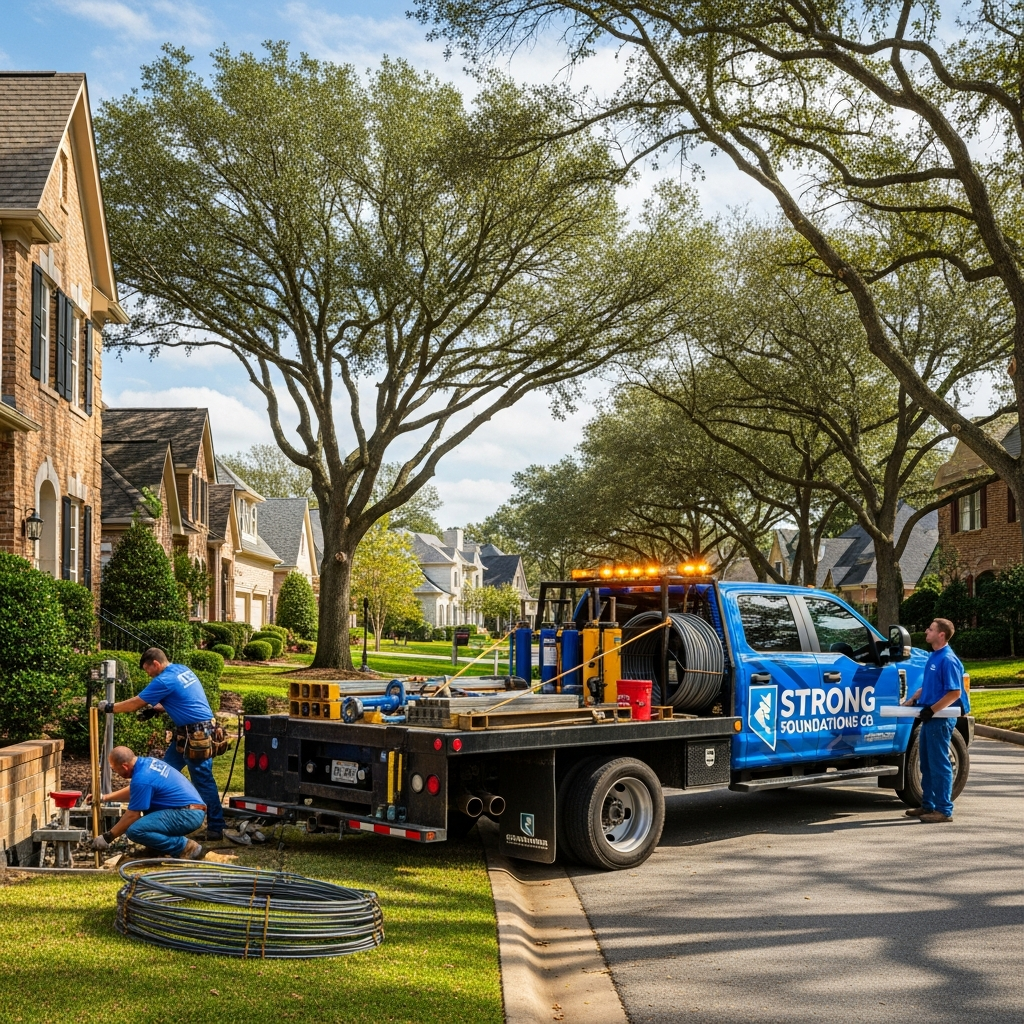
That tiny crack in your living room wall. You noticed it maybe six months ago – probably told yourself it was just the house “settling” and moved on with your day. But then it got a little wider. Then you spotted another one near the doorframe. And now there’s that door that won’t quite close all the way, no matter how many times your spouse wiggles the handle and says “huh, that’s weird.”
Sound familiar? Yeah. You’re not alone.
Here in Euless, foundation issues are about as common as Texas heat – which is to say, extremely. The soil in this part of North Texas is notoriously expansive clay, the kind that swells dramatically when it rains and then shrinks and contracts during those brutal dry summers we all love to complain about. Your foundation is essentially riding a slow-motion wave all year long. Most of the time, your house handles it just fine. But sometimes? Things start to shift in ways that really matter.
And when that happens, it’s genuinely unsettling. Not just financially (though yes, that too) – but emotionally. Your home is probably the biggest investment you’ve ever made. It’s where your kids grew up, where you host Thanksgiving, where you feel safe. The idea that the ground underneath it might be doing something problematic… that hits different than a leaky faucet or a busted HVAC unit.
That’s exactly why so many Euless homeowners find themselves suddenly desperate for information. You start Googling at 11pm, falling down rabbit holes of forum posts and contractor websites, and honestly? It mostly makes things more confusing. Is this serious? What even IS pier and beam versus slab foundation? Do I need drainage work? How do I know if a company is legitimate or just trying to scare me into a $30,000 repair I don’t actually need?
Those are all completely fair questions. And the frustrating truth is that foundation repair is one of those industries where the knowledge gap between homeowners and contractors is enormous – which means you’re often making big decisions without really understanding what you’re agreeing to.
So let’s actually fix that.
This article is going to walk you through what Euless foundation repair companies actually do – the real services they offer, what those services involve, and why certain approaches are used for certain problems. We’ll talk about the difference between slab and pier-and-beam foundations (because they have very different needs, and not everyone knows which one they have). We’ll cover things like pier installation, drainage correction, mudjacking, and root barrier systems – not in a way that requires an engineering degree, but in a way where you’ll actually walk away understanding what those words mean and when they apply to your situation.
Actually, that reminds me – one thing we’ll also touch on is the inspection process itself, because knowing what to expect when a foundation specialist walks through your front door can make that whole experience feel a lot less intimidating. You’ll know what they’re looking at, why they’re measuring what they’re measuring, and what kinds of questions you should be asking them in return.
Here’s what this isn’t going to be: a scare piece. Foundation problems exist on a massive spectrum, from truly minor cosmetic issues that need monitoring to genuinely serious structural concerns that need attention soon. The goal isn’t to send you into a panic – it’s to give you enough real information that you can look at your own situation with clear eyes and have an informed conversation with whatever company you decide to call.
Because here’s the thing about Euless specifically – there are a lot of foundation repair companies operating in this area, and they’re not all the same. Understanding the services, the methods, and the terminology puts you in a much stronger position as a homeowner. You’ll be able to compare what different companies are recommending and actually evaluate whether their proposals make sense for your home.
Knowledge is genuinely your best tool here. Let’s get you some.
Why Euless Foundations Have a Particularly Rough Time
Here’s something most people don’t realize until they’re already dealing with cracks in their drywall: foundation problems in the Dallas-Fort Worth area – and Euless specifically – aren’t just common, they’re almost *expected*. That’s not meant to scare you. It’s just the reality of building homes on North Texas soil, which behaves in ways that would genuinely surprise you.
The culprit is expansive clay soil. Think of it like a sponge that’s been left out in the Texas sun – except instead of just drying out, it also cracks, contracts, and then swells back up dramatically when rain finally comes. Your foundation sits on top of this constantly shifting material, and over years and decades, that movement adds up. A quarter inch here, a half inch there… it doesn’t sound like much until your doors won’t close properly and you’ve got a crack running diagonally from the corner of your window.
Euless gets hit from both ends of this problem. The summers are brutal and dry (you know this if you’ve lived here for more than one season), which causes the clay to shrink and pull away from foundations. Then storm season arrives with heavy rainfall, and that same soil expands back. It’s doing a slow, relentless push-pull on your home’s foundation, year after year.
The Different Types of Foundations You Might Have
Before you can really understand what a repair company is offering to fix, it helps to know what kind of foundation you’re dealing with. Most homes in Euless have one of two types.
Slab foundations are exactly what they sound like – a single, thick concrete slab poured directly on the ground. The whole house sits on it. They’re common in homes built from the 1960s onward and are actually pretty well-suited to Texas conditions when properly constructed. When they fail, though, it’s usually because the soil underneath has shifted unevenly – so one section of the slab sinks or heaves while the rest stays put. Imagine trying to balance a plate on a table where one leg is shorter than the others. That’s essentially what’s happening.
Pier and beam foundations are older (you’ll mostly see them in homes built before the 1960s) and work completely differently. The house sits on a series of wooden beams, which rest on concrete or wood piers that go down into the ground. There’s actually a crawl space underneath – which sounds nice until you realize that space can trap moisture and lead to wood rot, shifting piers, and a whole different set of headaches. Actually, that reminds me – if you have a pier and beam home and you’ve never had anyone look at what’s happening under there, it might be worth a peek.
What “Foundation Failure” Actually Means
This is where things get a little counterintuitive. When most people hear “foundation failure,” they imagine the ground opening up and a house collapsing. That’s… not really how it works. Foundation failure is usually slow, gradual, and sneaky.
What’s actually happening is differential settlement – meaning one part of your foundation is moving at a different rate or direction than another part. The foundation isn’t necessarily crumbling. It’s shifting unevenly. And that unevenness is what causes all the symptoms you notice: sticking doors, cracked brickwork, gaps between walls and ceilings, sloping floors.
It’s a bit like how a wooden deck warps over time. The wood itself isn’t destroyed, but it’s no longer flat, and that creates all kinds of downstream problems.
The confusing part? Some settlement is completely normal and nothing to worry about. New homes settle. Older homes continue to settle slightly. Knowing when it crosses the line from “normal” into “call a foundation company” is genuinely tricky, and honestly, that’s a big part of what a good foundation inspector actually does for you.
What Repair Companies Are Actually Addressing
When a foundation repair company comes out to your Euless home, they’re not just patching cracks – that would be like putting a bandage on a broken arm. They’re trying to stabilize or lift the foundation itself, address whatever caused the movement in the first place (drainage, soil conditions, plumbing leaks), and prevent further shifting down the road.
The services they offer flow directly from these two main foundation types and the specific ways North Texas soil causes them to fail. Which is why understanding that background actually matters when you’re comparing what different companies are selling you.
What to Actually Look for When Calling Around
Here’s something most people don’t realize – the first phone call tells you almost everything you need to know about a foundation repair company. If they can’t give you a ballpark explanation of *why* foundations fail in Euless specifically (spoiler: it’s almost always the expansive clay soil that shrinks and swells with our Texas weather patterns), they’re probably not local experts. They’re generalists with a truck and a sales pitch.
Ask them directly: “What’s the most common foundation problem you see in this part of Tarrant County?” A good company will mention pier settlement, poor drainage around slab edges, or the notorious soil movement we get after a dry summer followed by heavy rain. If they give you a vague non-answer, hang up and call the next one.
Getting Quotes – Don’t Make This Rookie Mistake
Get at least three estimates. Not two – three. And don’t just compare the bottom-line numbers. The real value is in what each company’s report actually *says* about your foundation.
A legitimate Euless foundation company will provide a written assessment that explains the cause of the damage, not just the symptom. There’s a massive difference between a company that says “you need 8 piers” and one that explains why you need 8 piers, where they’ll be placed, what type (steel push piers vs. concrete pressed piles vs. helical piers), and what the expected outcome looks like. That detail matters because you’re paying for a solution, not just a service.
Also – and this is the part people skip – ask each company what happens if the repair doesn’t hold. Get their warranty terms in writing before anyone picks up a shovel.
Understanding the Pier Conversation
You’re going to hear a lot about piers. Steel push piers, helical piers, concrete piers… it gets confusing fast. Here’s a simple way to think about it: helical piers are generally better for lighter loads or areas with poor soil near the surface (they screw down into stable soil like a giant corkscrew). Steel push piers are driven down hydraulically until they hit resistance – which in Euless can sometimes mean going pretty deep to get past that problematic clay layer.
Concrete pressed piles are cheaper upfront, which is why some companies push them hard. They’re not necessarily bad, but they don’t go as deep, and in our soil conditions… well, let’s just say you want stability over savings here. Ask the company why they’re recommending the specific pier type for *your* situation. If they can’t explain it clearly, that’s a red flag.
Drainage – The Part Nobody Wants to Talk About
Almost every foundation problem in Euless has a water component. Either too much water is pooling against the foundation, or the soil has dried out and pulled away from it. Both cause movement.
Here’s the thing – fixing your foundation without addressing drainage is like patching a tire without pulling out the nail. Some companies won’t bring this up because drainage improvements aren’t their specialty (or their profit center). A good one will. They should walk your property and point out downspout issues, grading problems, or areas where soil has pulled away from the foundation edge. If they’re offering interior or exterior drainage correction alongside structural work, that’s actually a sign they’re thinking about the whole picture.
The Permit Question You Need to Ask
Pull permits. This is non-negotiable in Euless, and if a company suggests you skip that step “to save money,” walk away. City inspections exist to protect you – they verify the work was done correctly by a licensed contractor. Unpermitted foundation work can complicate home sales, insurance claims, and future repairs in ways that are genuinely painful to untangle.
Ask every company directly: “Will you pull the required permits for this job?” Their answer tells you a lot about how they operate.
After the Work is Done
Plan to water your foundation perimeter during dry stretches – consistently, not occasionally. A soaker hose set about 18 inches from the foundation edge, running a few times a week during hot dry spells, helps maintain soil moisture and prevents the shrink-swell cycle that causes problems in the first place. Most Euless companies will tell you this at the end. The good ones explain exactly how to do it before you even sign a contract.
When Everything Feels Overwhelming (Because It Sometimes Is)
Let’s be honest – finding out you need foundation repair is rarely a “great, I’ll pencil that in” kind of moment. It usually involves some combination of panic, denial, and a frantic Google search at 11pm. Most homeowners in Euless hit the same walls, make the same mistakes, and ask the same worried questions. So let’s actually talk about what trips people up.
You Get Five Quotes and They’re All Different
This is genuinely confusing, and it’s not your fault. One company says you need four piers. Another says twelve. Someone quotes you $4,000, someone else says $18,000. How are you supposed to make a decision?
Here’s what’s actually happening: foundation repair isn’t a standardized service. Different companies use different methods – concrete pressed piers, steel push piers, helical piers – and they have different philosophies about how aggressively to treat a problem. Some contractors are conservative. Others… aren’t.
The honest solution is to ask each company to explain *why* they’re recommending what they’re recommending. Ask them to walk you through their assessment. If someone can’t explain their reasoning in plain language, that’s a red flag. You don’t need a geology degree – you just need a contractor who respects you enough to talk to you like an adult.
Also worth knowing: getting a separate structural engineer’s opinion (completely independent of any repair company) will cost you a few hundred dollars and might save you thousands. It’s probably the single best investment you can make before signing anything.
The “Just Wait and See” Trap
A lot of homeowners in Euless – especially those who’ve just moved in and aren’t sure if the cracks are new or old – decide to wait. Monitor it. See what happens. And sometimes that’s actually fine, honestly. A small cosmetic crack that hasn’t changed in two years is a very different animal than one that appeared last spring and has been growing.
But here’s what makes waiting genuinely risky: North Texas clay soil is notoriously active. It expands when it’s wet, contracts when it’s dry, and it does this over and over again across the seasons. That movement doesn’t stop. What’s a $6,000 repair today can become a $20,000 nightmare if drainage issues go unaddressed and the soil keeps shifting.
If you’re going to monitor rather than act, do it systematically. Mark crack edges with pencil and date them. Take photos. Actually look at them again in 90 days instead of just… hoping for the best.
Financing Confusion (And the Pressure to Decide Right Now)
This one frustrates me, because it’s completely avoidable. Some foundation companies use high-pressure sales tactics – the “this price is only good today” stuff – and it works on people who are already stressed and worried about their home’s structural integrity. That’s not okay.
Reputable Euless foundation repair companies will give you time to think. Full stop. If someone is pushing you to sign on the spot, walk away. There will be another company.
On the financing side: many companies offer payment plans, and some have relationships with third-party lenders. Your homeowner’s insurance *might* cover some or all of it, depending on the cause – though foundation issues from soil movement are often excluded. Worth a call to your insurer before you assume you’re on your own. Actually, make that call first, before you even get quotes.
Not Knowing What the Warranty Actually Covers
Foundation repair warranties sound reassuring until you read the fine print and realize they’re full of conditions. Most transferable lifetime warranties – which sound amazing – are tied to specific circumstances. If you don’t maintain proper drainage around your home, the warranty may be void. If you don’t do follow-up inspections, same deal.
Ask contractors directly: “What would void this warranty?” Write down the answer. Understand that your landscaping, your gutters, your downspout extensions – these all affect whether your warranty holds up down the road.
The Emotional Side Nobody Talks About
Your home is probably your biggest investment. Finding out it has foundation issues feels threatening in a way that, say, a broken dishwasher just doesn’t. It’s okay if this is stressful. It’s okay to take a few days before making decisions.
The best Euless foundation repair companies understand this. The ones worth working with won’t rush you, won’t scare you unnecessarily, and won’t make you feel stupid for asking basic questions. If a company makes you feel that way? That’s your answer about whether to hire them.
What to Expect When You Hire a Foundation Repair Company
Let’s be honest about something right upfront: foundation repair is rarely a quick Tuesday afternoon kind of project. And if a company is promising you otherwise, that’s worth a second look. Good work takes time, and understanding what “normal” actually looks like can save you a lot of unnecessary anxiety when things don’t wrap up in two days.
Most foundation repair projects in Euless follow a pretty predictable arc – though the details vary wildly depending on what’s actually going on under your home.
The Initial Assessment: Slower Than You’d Think
After you schedule an inspection, expect a wait. Reputable companies in the area stay busy, especially after a particularly dry summer or a stretch of heavy rain – both of which are pretty common here in North Texas. Getting on the schedule might take a week or two. The inspection itself usually runs one to three hours depending on the size of your home and what the inspector finds.
Then comes the quote. Don’t be surprised if that takes a few more days. A good estimate isn’t something they should be scribbling on a napkin in your driveway. You want them to actually think it through.
Actually Getting the Work Done
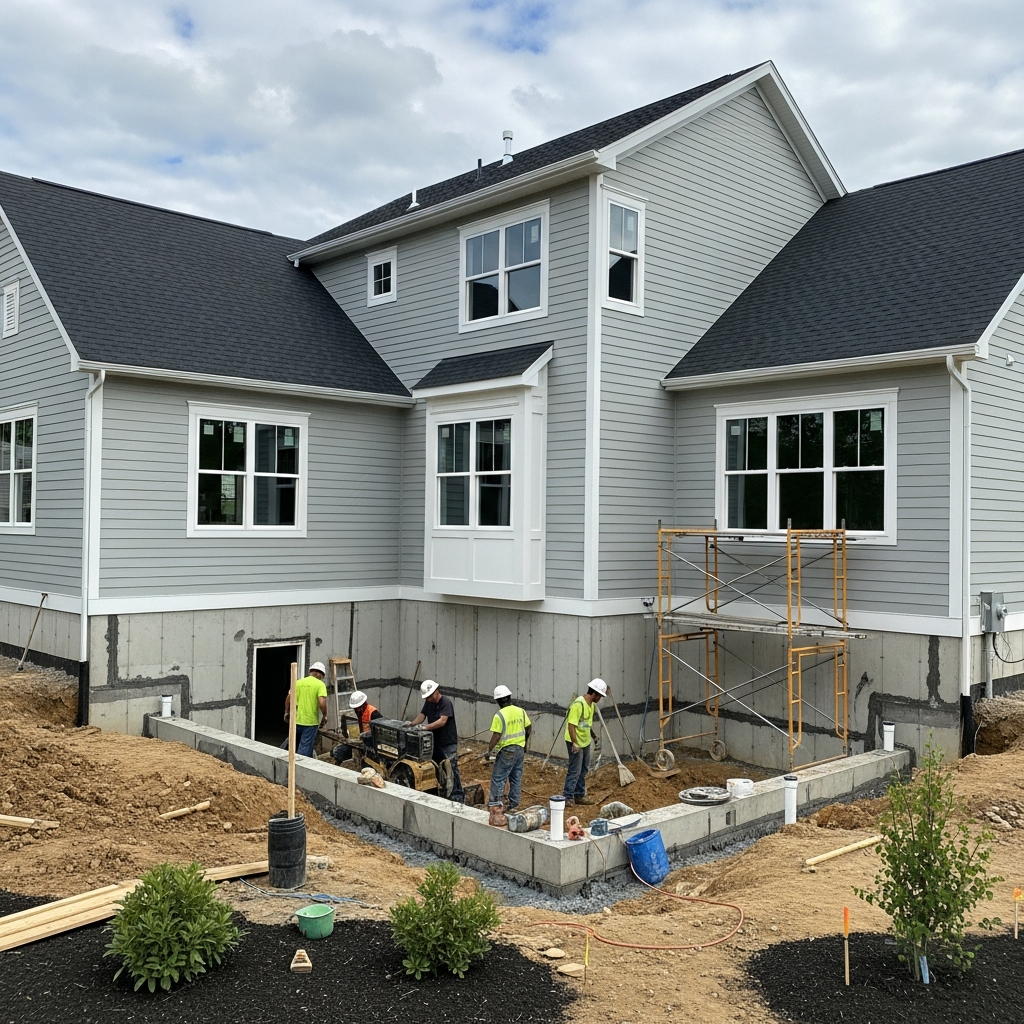
Once you’ve agreed to move forward, here’s where expectations matter most. For a typical pier installation – say, ten to fifteen piers on a slab foundation – most crews can complete the work in one to three days. Larger projects, homes with significant settlement, or situations requiring interior work alongside exterior? You might be looking at a full week or even longer.
Drainage corrections and French drain installations are their own animal. Those projects depend heavily on how much excavation is involved and whether you’re dealing with existing landscaping or structures that complicate things. Your crew will give you a more specific window, but don’t be shocked if it stretches.
And here’s something people don’t always anticipate – the house might feel a little off during repairs. Doors that were sticking might suddenly swing free. Cracks that were there before might look slightly different. That’s normal. Your home is literally being moved back toward level, and things shift as that happens. It can feel weird. It’s okay.
The Settling-In Period After Repairs
This part surprises almost everyone. Once the piers are in and the crew has packed up and gone home, there’s still an adjustment period. Small cracks in drywall might appear in the weeks following repair – not because something went wrong, but because your home is recalibrating. Think of it like a crooked picture being straightened on the wall. Sometimes the dust settles differently.
Most reputable Euless foundation companies will tell you to wait sixty to ninety days before doing cosmetic repairs to drywall or flooring. Jumping in too early and patching cracks can mean doing it twice. Patience here actually saves money.
The Warranty Conversation
Ask about warranties before you sign anything – and actually read them. Many companies offer lifetime transferable warranties on pier systems, which sounds great (and can be genuinely valuable if you sell the home). But understand what that warranty covers. Does it cover the entire repair, or just the piers themselves? Is there a service call fee if you need them to come back? What voids the warranty?
These aren’t gotcha questions. They’re just… sensible ones. A company worth hiring will answer them without getting defensive.
After Everything’s Done: Keeping an Eye Out
Foundation repair addresses the problem that existed – it doesn’t bulletproof your home forever. North Texas soil is notoriously expansive clay, and that means moisture management around your home matters ongoing. Keeping gutters clean, maintaining consistent soil moisture with soaker hoses during dry spells, and grading your yard away from the foundation are things you’ll want to stay on top of.
Your repair company should walk you through their specific recommendations before they leave. If they don’t… ask. It’s completely reasonable.
The whole process from first call to final walkthrough could realistically take three to six weeks when you account for scheduling, the work itself, and the adjustment period. That’s not a problem. That’s just how thorough repair works. And given that your foundation is – quite literally – what everything else in your home sits on, thorough is exactly what you want.
So here’s the thing about foundation problems – they have a way of feeling overwhelming, like you’ve pulled back the curtain on something you really didn’t want to see. Maybe you noticed that crack in the drywall months ago and told yourself it was nothing. Maybe your doors have been sticking all summer and you’ve been quietly hoping it would just… sort itself out. It won’t, of course. But the good news? You’re not alone in this, and it’s genuinely not as hopeless as it might feel right now.
Euless homeowners have access to some really solid local expertise when it comes to keeping foundations stable and homes protected. Whether you’re dealing with pier installation, drainage correction, slab repairs, or something you can’t even put a name to yet – there are professionals here who’ve seen it all and fixed most of it. The range of services available means that whatever’s happening beneath your feet, there’s almost certainly a solution that fits both your situation and your budget.
And look, foundation repair isn’t exactly a fun topic. Nobody’s sitting around hoping to spend a Saturday afternoon getting estimates for helical piers. But here’s a perspective shift that might help – catching foundation issues early almost always means less damage, lower costs, and way less stress. The families who act when they notice the first warning signs are almost always in a better position than those who waited. That’s not meant to scare you. It’s just… genuinely true.
You Don’t Have to Figure This Out Alone
One of the most reassuring things about reaching out to a foundation repair company – at least a good one – is that the first conversation is usually just that. A conversation. You describe what you’re seeing, they ask some questions, maybe schedule an inspection. Nobody’s pressuring you to sign anything before you understand what’s actually going on with your home.
If something in this article resonated with you, if you’ve been mentally filing away little signs that something might be off, it might just be time to make that call. Or send an email. Whatever feels less daunting. Getting a professional set of eyes on your foundation isn’t a commitment – it’s just information. And information, honestly, is the best antidote to that low-level anxiety that comes with not knowing.
Your Home Deserves the Attention
Your home is probably the biggest investment you’ve ever made. More than that, it’s where your life actually happens – where your kids do homework at the kitchen table, where you finally decompress after a long day. Protecting that space, making sure it’s standing on solid ground (literally), is one of the most worthwhile things you can do.
So if you’re ready to stop wondering and start knowing, reach out to a local Euless foundation repair company for an assessment. Ask your questions – all of them, even the ones that feel basic. A trustworthy professional will welcome them. And if you’re not sure where to start, our team is always happy to just talk it through with you, no pressure, no sales pitch.
You’ve got this. And you’ve got people in your corner who genuinely know how to help.