Fort Worth Foundation Repair: Common Mistakes to Avoid
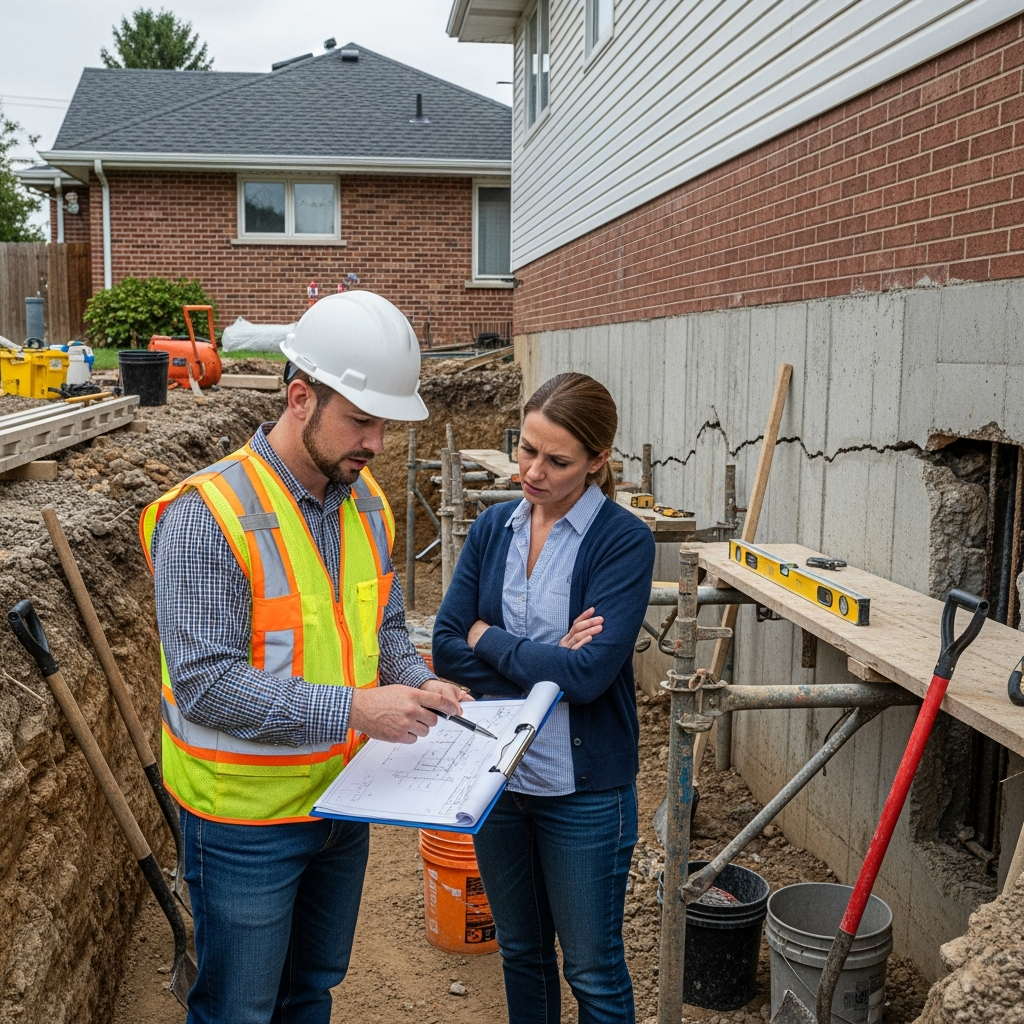
You notice it first in the hallway. A crack, thin as a pencil line, running diagonally from the corner of a door frame. You tell yourself it’s nothing – old house, hot summer, houses settle. You paint over it. Six months later, that same crack is back, and it’s brought friends. Doors that used to close perfectly now stick. Windows feel weirdly drafty. And somewhere in the back of your mind, a number starts forming… a big, uncomfortable number.
Sound familiar? If you’re a Fort Worth homeowner, there’s a decent chance you’ve lived some version of this story.
Here’s the thing about foundation problems in North Texas – they don’t announce themselves dramatically. They creep. They whisper. And by the time most homeowners take them seriously, the situation has quietly gotten more expensive, more complicated, and honestly, more stressful than it ever needed to be. The Metroplex sits on some of the most notoriously expansive clay soil in the country, the kind that swells when it rains and shrinks when it doesn’t, basically playing a slow-motion tug-of-war with the concrete under your home. Year after year. Season after season.
Fort Worth specifically gets hit from both directions – summer droughts that parch the soil and pull moisture away from your foundation, followed by heavy rains that saturate everything. It’s a brutal cycle, and your foundation absorbs every bit of it.
So yeah, foundation issues here aren’t really a question of *if* for most homeowners. They’re more of a *when* – and then, critically, a *what do you do about it*.
Where Things Go Wrong
That “what do you do about it” part is actually where this whole article comes from. Because the honest truth is, foundation repair mistakes are incredibly common in this area, and they cost people real money. We’re not talking small oops-level mistakes. We’re talking decisions that can add thousands to a repair bill, or worse – leave a problem only partially fixed while the homeowner believes everything is handled.
Some of those mistakes happen before anyone even picks up a phone to call a contractor. Some happen during the hiring process. And some – maybe the most frustrating ones – happen after the work is supposedly done.
The good news? Every single one of them is avoidable if you know what to look for.
That’s genuinely why this guide exists. Not to scare you (though if a few alarm bells go off while you’re reading, that’s probably useful information), but to walk you through the decisions that actually matter when you’re dealing with foundation issues in Fort Worth. What to watch for early. How to evaluate a contractor without getting dazzled by a slick sales pitch. What questions most homeowners forget to ask. How to think about drainage, waterproofing, and long-term maintenance in a way that actually protects what’s likely your largest financial asset.
This Is More Personal Than It Feels
A house is weird, right? It’s simultaneously a major investment and… your home. The place your kids grew up, or where you finally have your own space, or the property you’ve spent years fixing up exactly how you like it. Foundation problems have this way of making the whole thing feel suddenly fragile and precarious. That’s a genuinely unsettling feeling, and it’s completely understandable.
But here’s what experience tells us again and again: informed homeowners get better outcomes. Not just financially, though that matters too. They make calmer decisions. They ask better questions. They don’t get talked into unnecessary work, and they don’t brush off necessary work either. They understand what’s actually happening beneath their feet.
That’s the version of this situation we want you to be in.
Whether you’ve already got a contractor giving you quotes, you’re in the early stages of researching your options, or you just spotted something suspicious near your garage door and you’re not sure what to think – this is the right time to be reading this. Before decisions get made. Before contracts get signed.
Fort Worth’s foundation challenges are real, and they’re not going anywhere. But so is good information. And right now, one of those things is a lot more useful to you than the other.
Let’s get into it.
Why Fort Worth Foundations Are a Special Kind of Problem
Here’s something that surprises a lot of homeowners when they first learn about it – the soil underneath your house is actually alive. Well, not literally alive (though there’s a whole other conversation about soil microbiomes we could have). But it moves. It breathes. It swells when it gets wet and shrinks when it dries out, and in North Texas, it does this constantly and dramatically.
The clay-heavy soil that runs through the Fort Worth area – called expansive clay, or sometimes just “black gumbo” by locals who’ve dealt with it – can expand up to 15 times its dry volume when saturated. Fifteen times. Think about a sponge soaking up water, but imagine that sponge is underneath your entire house, and you’ll start to get the picture. When the soil swells unevenly, it pushes up on parts of your foundation. When it dries and contracts, it pulls away. Your foundation is essentially doing a slow, grinding dance it never agreed to participate in.
This is why foundation issues in Fort Worth aren’t quite the same as foundation issues in, say, Seattle or Denver. The climate here – hot, dry summers followed by rain cycles, occasional droughts – creates constant stress on foundations that other regions simply don’t experience at the same intensity.
The Two Types of Foundation Failure (And Why They’re Easy to Confuse)
Most Fort Worth homes sit on one of two foundation types: slab-on-grade (a flat concrete pad poured directly on the soil) or a pier-and-beam system (where the house sits elevated on beams supported by piers). Each fails differently, and treating the wrong problem the wrong way is one of the most expensive mistakes you can make.
Slab foundations tend to fail through what’s called differential settlement – meaning parts of the slab sink at different rates. You’ll notice this as doors that suddenly won’t latch, cracks running diagonally from window corners, or floors that feel subtly tilted. It’s counterintuitive, but a house can have serious foundation problems without any dramatic visible damage. The opposite is also true – some scary-looking cracks are completely cosmetic. Knowing the difference matters enormously.
Pier-and-beam foundations have their own failure patterns. The wooden beams can rot or shift, piers can settle or heave, and because there’s a crawl space involved, moisture becomes a major villain. Honestly, pier-and-beam diagnostics can be trickier because you’re dealing with wood movement, soil movement, and humidity all at once.
What “Heaving” Actually Means
Most people assume foundation damage only goes one direction – down. Like the ground swallows your house gradually. But in Fort Worth, the opposite problem – heaving – is just as common and arguably more confusing to diagnose.
Heaving happens when soil expands upward and pushes sections of your foundation up. It often occurs near plumbing leaks (water saturates the soil in one spot), near poorly-graded landscaping, or after unusually wet periods. The tricky part? Heaving and settling can produce nearly identical symptoms – sticking doors, cracked drywall, uneven floors. But the repairs are completely different. What fixes a sinking foundation can actually make a heaving foundation worse. This is exactly why guessing at solutions without proper diagnosis is a recipe for wasted money.
The Role of Drainage (It’s More Important Than You Think)
If foundation repair had an unsung hero, it would be drainage. Or rather, an unsung villain would be *poor* drainage. Water pooling near your foundation, gutters that dump runoff against your house, or a yard that slopes inward toward the structure – these issues create the uneven soil moisture that starts the whole cycle of trouble.
Actually, a lot of homeowners are shocked to learn that the single most impactful thing they can do for foundation health has nothing to do with piers or concrete – it’s managing where water goes. Proper grading, functional gutters, and consistent watering habits (yes, watering your foundation during droughts is a real thing) form the foundation of, well, keeping your foundation stable.
Understanding these basics won’t make you a structural engineer overnight. But it does give you the vocabulary and context to make smarter decisions – and to recognize when a contractor is telling you exactly what you need to hear versus what you actually need.
Don’t Let the “Lowest Bid” Win the Room
Here’s the thing about foundation repair quotes in Fort Worth – they can vary wildly. We’re talking $3,000 to $30,000 for what might sound like the same job. And when you’re staring down a five-figure repair bill, that cheapest option starts looking *very* attractive.
Resist it.
Contractors who underbid are often cutting corners on pier depth, spacing, or the number of piers altogether. In the Metroplex specifically, our expansive clay soil – that notorious black gumbo – requires piers to reach stable bedrock or at least 10-12 feet of consistent bearing capacity. A contractor who’s shaving costs is probably shaving depth. And shallow piers in Fort Worth soil? They’ll move right along with everything else when the next drought hits.
Ask every contractor to show you their pier placement plan on paper. How many piers, exactly where, and at what depth. If they can’t hand you a diagram, walk away.
Get the Plumbing Test Done First – Seriously
This one catches homeowners off guard constantly. You schedule the foundation repair, the crew shows up, lifts the house… and then three months later your foundation is moving again. What happened?
Leaking plumbing happened. A slow leak under your slab is one of the biggest contributors to foundation movement in Fort Worth, and if it’s not identified *before* the repair work starts, you’re essentially building on a wet sponge. The repair won’t hold.
Before any company touches your foundation, pay for a hydrostatic plumbing test. It typically runs $200-$400, and it involves pressurizing your drain lines to check for leaks. Some foundation companies offer this or partner with plumbers who do. Either way, don’t skip it. Actually, if a contractor doesn’t mention plumbing as a potential factor during their assessment… that’s a red flag worth noting.
Stop Watering (or Start – Depends on the Season)
Fort Worth’s clay soil expands and contracts based on moisture content, which means your foundation is essentially breathing with the seasons. Most homeowners know to water during droughts. Fewer realize they should *stop* aggressive watering before repair work begins.
Here’s what actually works: install a soaker hose system about 18 inches from your foundation and run it consistently – not in response to cracks, but as year-round maintenance. The goal is stable moisture, not saturated soil. Erratic watering is almost as damaging as no watering at all.
Before your repair date, ask your contractor specifically what the soil moisture conditions should look like. A good crew will actually check soil conditions on-site before lifting anything. If it’s been a wet spring and the soil is already swollen, timing matters.
Don’t Ignore the Drainage Problem Behind the Foundation Problem
This is the part nobody wants to hear because it costs extra money. But here it is anyway – if water is pooling against your foundation after rain, if your gutters are dumping runoff right next to the house, if your yard slopes *toward* the structure… fixing the foundation without fixing that is like mopping the floor while the faucet’s still running.
Positive drainage grading (where the ground slopes away from the house at about 6 inches over 10 feet) isn’t glamorous, but it’s foundational – pun very much intended. Extend your downspout extensions, regrade problem areas, and address any French drain needs before or during your repair window.
Get That Warranty in Writing, Then Actually Read It
Lifetime warranties sound incredible. They’re also sometimes worth almost nothing. Some Fort Worth contractors offer “lifetime” coverage that’s actually tied to the company’s existence – and foundation repair companies do go out of business. Others have fine print that voids the warranty if you don’t do annual maintenance inspections (with them, conveniently).
Ask specifically: Is the warranty transferable if I sell the house? What maintenance is required to keep it valid? Who backs the warranty if your company closes?
The Supportworks and Ram Jack dealer networks, for example, offer warranties backed by the manufacturer rather than just the local contractor – which is genuinely meaningful. Not every company works this way, but it’s worth asking directly.
Foundation repair in Fort Worth isn’t something you rush. Take the time to verify credentials with the Texas State Board of Plumbing Examiners (if plumbing’s involved) and check the Better Business Bureau for complaint history. Your foundation isn’t going anywhere fast – you can afford a few extra days to make the right call.
When “Wait and See” Becomes a Very Expensive Decision
Here’s the thing nobody wants to hear: foundation problems don’t take breaks. While you’re busy hoping that crack in the drywall is just “the house settling,” the soil underneath is shifting, the moisture is moving, and the damage is quietly compounding. Fort Worth’s expansive clay soil – and we’ve got a lot of it – swells when it’s wet and shrinks when it dries out. Every single season. That constant movement is brutal on foundations, and waiting six months to “see if it gets worse” almost always means paying significantly more later.
The solution isn’t panic. It’s just… not procrastinating. Get a structural engineer out to look at it. Not a foundation company salesperson – an independent structural engineer who charges for their time and has no stake in selling you repairs. That report will tell you whether you need to act now, watch it, or genuinely relax.
Getting Too Many Bids (and Not Understanding Any of Them)
Most people know they should get multiple quotes. Good instinct. But here’s where it gets messy – you end up with three bids that are wildly different in price, scope, and terminology, and you have absolutely no idea how to compare them. One company says you need 12 piers. Another says 7. The third is recommending a completely different repair method altogether.
This isn’t the contractors being shady (well, not always). It’s genuinely complicated work, and different engineers assess differently. The mistake is choosing based on price alone, or worse, just picking the middle estimate because it feels “safe.”
What actually helps? Ask each company to walk you through their assessment in plain language. Where exactly are the problem areas? Why that number of piers? What happens if you only do part of the repair? A contractor who can’t explain their recommendation clearly – or who gets defensive when you ask questions – is telling you something important.
Ignoring the Drainage Problem That Caused Everything
This one trips up a lot of homeowners. They spend thousands on pier installation, feel relieved, and completely skip the conversation about *why* the foundation moved in the first place. Six years later, they’re back to square one.
Foundation repair without addressing drainage is like mopping the floor while the faucet’s still running.
Fort Worth homes frequently have issues with improper grading, gutters dumping water right against the foundation, or landscaping that channels moisture toward the house. These aren’t dramatic problems – they look totally normal. But over years, that water accumulation causes the clay soil to heave unevenly, and eventually the foundation follows.
Before any repair work is signed off on, ask what drainage improvements should accompany the structural work. Sometimes it’s regrading the yard. Sometimes it’s extending downspouts. Sometimes it’s a French drain system. It’s not always expensive, but it’s almost always necessary.
Trusting a Lifetime Warranty Without Reading the Fine Print
Foundation companies love to advertise lifetime warranties, and honestly, it sounds incredibly reassuring. But “lifetime” in the foundation world can mean a lot of things – and some of them are surprisingly limited.
Some warranties are non-transferable, which matters enormously if you ever sell your home. Others have clauses that void coverage if you don’t complete recommended annual maintenance, or if drainage issues contributed to further movement. A few companies have gone out of business entirely, taking their warranties with them.
Read it. Actually read it. Ask specifically whether the warranty transfers to a new buyer, what voids coverage, and how long the company has been operating in Fort Worth. A 20-year-old local company with a strong reputation is worth more than a warranty from a franchise that opened two years ago.
Letting the Repair Disrupt – But Not Improve – the Interior
After piers are installed and the foundation is stabilized, the structural lifting process can sometimes cause new cracks in drywall or slightly misalign doors. Homeowners occasionally panic, assuming something went wrong. Usually, it didn’t.
What’s worth paying attention to is whether the company does a proper post-repair walkthrough and addresses any cosmetic issues that resulted from the work. Some do. Some disappear after the check clears.
Get the post-repair process in writing beforehand. Who’s responsible for what? What’s the timeline for any follow-up? These conversations are much easier *before* the work starts than after.
The bottom line is that foundation repair in Fort Worth is genuinely complicated terrain – but most of the mistakes people make aren’t technical ones. They’re the very human ones: waiting, rushing, not asking enough questions, and trusting paperwork they never actually read.
What to Actually Expect When You Hire a Foundation Repair Company
Here’s where a lot of homeowners get caught off guard – not because anything went wrong, but because nobody told them what “normal” actually looks like. So let’s fix that right now.
Foundation repair is not a weekend project. Depending on what’s going on underneath your home, the work itself might take anywhere from a single day to a full week or more. Pier installation in particular can feel surprisingly fast once the crew gets rolling – then you spend the next few months wondering if it “worked.” That waiting period is completely normal and genuinely the hardest part for most people.
The Timeline Is Probably Longer Than You Think
After the physical repair work is done, your foundation needs time to stabilize. Soil in Fort Worth – that expansive clay we’re all dealing with – doesn’t snap back into place like a rubber band. It shifts gradually, responds to moisture, and settles at its own pace. Most contractors will tell you to wait at least 30 to 90 days before expecting to see interior improvements like doors closing properly or cracks stopping their slow crawl across your walls.
Some things might improve quickly. Others might take longer. And honestly? A few cosmetic issues might not fully resolve even after a successful repair – because the home has already adjusted to years of movement. That’s not a sign the repair failed. That’s just… reality.
You’ll Probably Still See Some Cracking
This one surprises people. After spending real money on foundation repair, noticing a new hairline crack in your drywall feels like a disaster. It’s usually not. Hairline cracks in drywall and even small cracks in brick mortar are common during the adjustment period – the house is essentially re-learning how to sit. What you’re watching for are cracks that grow noticeably wider, cracks that appear at structural points, or any new concerns about doors and windows that weren’t present before.
Keep a simple log if it helps you sleep at night. Take photos with dates. It gives you something concrete to show your contractor if you do have concerns, and it keeps you from second-guessing yourself six weeks in.
The Paperwork Actually Matters
Before any crew shows up, you should have a written contract that spells out the scope of work, the specific methods being used, what’s included and what’s not, and the warranty terms in plain language. Read the warranty carefully – actually read it. Some warranties sound comprehensive but exclude certain soil conditions or transfer limitations that might matter when you eventually sell the home.
Speaking of selling: if foundation work has been done on your home, you’ll need to disclose it. This isn’t a strike against you necessarily – a properly repaired foundation with documented warranty can actually be a selling point. But buyers will ask, and you want to have the paperwork to back it up.
What You Should Be Doing After Repair
Your contractor should walk you through this, but here’s the short version. Managing moisture around your foundation is ongoing work – not a one-time fix. That means keeping gutters clear, making sure downspouts are directing water away from the house (at least six feet if you can manage it), and trying to maintain somewhat consistent soil moisture during dry stretches.
That last part is very Fort Worth-specific. During a dry summer, the clay soil around your foundation can shrink and pull away, undoing some of the stability you paid for. A soaker hose system around the perimeter of your home – run during dry periods to keep that soil from pulling away – can make a meaningful difference. Your contractor should be telling you this. If they’re not mentioning it, ask.
Following Up Isn’t Annoying – It’s Smart
A good foundation repair company expects to hear from you. If something looks off at the two-month mark, call. If you’re noticing door issues you didn’t notice before, call. This isn’t being a difficult customer – it’s being an informed one. Most warranties include follow-up inspections, and you should absolutely use them.
The bottom line here is pretty simple: repair is step one, not the finish line. The homeowners who get the best long-term results are the ones who stay engaged, keep up with maintenance, and treat their foundation like the living system it actually is – because the ground underneath your Fort Worth home sure isn’t holding still.
Getting foundation work right the first time isn’t just about saving money – though it absolutely does that. It’s about protecting the place where your family eats dinner, where your kids grow up, where you come home at the end of a long day. That matters. A lot.
Fort Worth soil is genuinely unforgiving. The expansive clay that runs under so much of this city has humbled plenty of homeowners who thought they could outmaneuver it with a YouTube tutorial and a weekend. And honestly? That’s not a character flaw. It’s just… a really common situation. You see a crack, you want to fix it. The impulse is completely understandable.
But as you’ve seen throughout this article, the mistakes that trip people up most often aren’t the obvious ones. It’s not usually the homeowner who ignores a gaping chasm in their wall – that’s pretty hard to rationalize away. It’s the smaller missteps that quietly compound. Hiring based on price alone. Skipping the drainage fixes before the repair work starts. Misreading seasonal movement as structural failure, or worse, structural failure as seasonal movement. Accepting a vague estimate that leaves you unprotected when something goes sideways six months later.
Those are the things worth watching for.
If there’s one thread running through all of it, it’s this: foundation repair rewards patience and punishes shortcuts. The homeowners who come out of this process in the best shape are almost always the ones who slowed down, asked uncomfortable questions, pushed back on vague answers, and didn’t let urgency – real or manufactured – rush them into decisions they hadn’t fully thought through.
Actually, that reminds me of something worth saying plainly. A reputable contractor will never make you feel panicked into signing something today. Pressure tactics are a red flag, full stop. Good professionals know the work will still be there tomorrow and they’re not afraid to let you think it over.
So where does that leave you?
Maybe you’re reading this because you’ve already spotted something concerning – a door that drags, a crack that appeared after last summer’s drought, floors that have developed a subtle but unmistakable slope. Or maybe you’re just being proactive, trying to understand what you’re looking at before anything gets worse. Either way, you’re already doing the right thing by educating yourself.
When you’re ready to talk to someone – and there’s absolutely no rush – our team is here to have an honest conversation with you. Not a sales pitch. Just a real discussion about what you’re seeing, what might be causing it, and what your actual options are. We know Fort Worth soil. We know these neighborhoods. And we know that this kind of repair can feel overwhelming, especially when you’re not sure who to trust.
Reach out whenever it feels right. You can call us, fill out our contact form, or just stop by with a photo on your phone and a list of questions. No pressure, no obligation – just straightforward answers from people who genuinely want to help you protect your home.
You’ve got this. And you don’t have to figure it out alone.