How Do Foundation Repair Companies Fix Settling Foundations?
You’re lying in bed at 2 AM when you hear it – that subtle *crack* that makes your heart skip a beat. Was that the house settling? Or was that… something else? You know, that nagging worry you’ve been pushing to the back of your mind for weeks now.
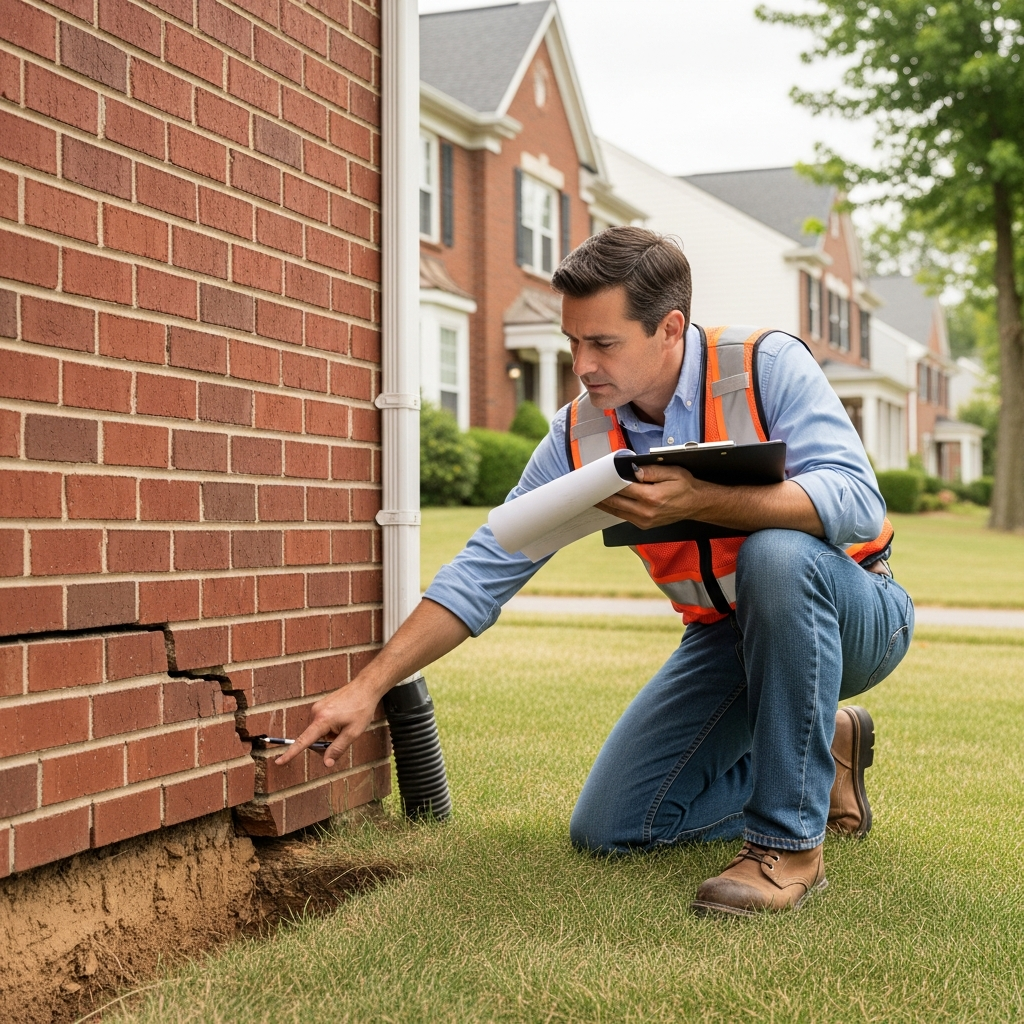
Maybe you first noticed it when that bedroom door started sticking. Then came the hairline crack above the kitchen window that seemed to grow a little wider each month. And don’t even get me started on how the front door now needs a good shove to close properly. Sound familiar?
Here’s the thing – and I’m going to be straight with you because that’s what friends do – foundation settling isn’t just some abstract home maintenance issue you can ignore until spring. It’s like that weird noise your car makes that you keep turning the radio up to drown out. Eventually, you’re going to have to deal with it, and the longer you wait… well, you know how that story ends.
But here’s what’s really eating at you, isn’t it? It’s not just the cracks or the sticky doors. It’s lying awake wondering if your biggest investment – your home, the place where your family feels safe – is literally sinking beneath your feet. It’s the knot in your stomach when you think about calling a contractor because you have no idea what they’re going to find or what it’s going to cost.
I get it. Foundation problems feel overwhelming because they’re invisible most of the time. Unlike a leaky roof that drips on your head or a broken furnace that leaves you shivering, foundation issues are sneaky. They whisper rather than shout. They show up as minor inconveniences until suddenly – they’re not minor anymore.
And let’s be honest about the elephant in the room: money. Foundation repair sounds expensive, complicated, and frankly, a little scary. You’ve probably heard horror stories from neighbors about contractors who showed up, shook their heads gravely, and handed over estimates that made your knees weak. Or maybe you’ve been down the Google rabbit hole at midnight, reading conflicting advice that left you more confused than when you started.
The truth is, most of us know absolutely nothing about what lies beneath our homes. We can troubleshoot a clogged drain, maybe even swap out a light fixture if we’re feeling brave… but foundations? That’s mysterious underground territory that feels way beyond our DIY comfort zone.
But here’s what I want you to know – and this is important – foundation settling doesn’t have to be the financial disaster you’re imagining. Yeah, it’s serious. Yes, you need to address it. But foundation repair companies have gotten really, really good at what they do. The techniques they use today would blow your mind compared to the old days of digging up entire basements and starting from scratch.
What we’re going to talk about isn’t just the technical stuff (though we’ll cover that too, because knowledge is power). We’re going to walk through exactly what happens when you call in the professionals. What they’ll look for, how they’ll assess the situation, and most importantly – what your options actually are.
You’ll learn about the different types of foundation problems because, surprise, not all settling is created equal. Some fixes are straightforward and relatively affordable. Others… well, they’re more involved. But knowing the difference means you can have intelligent conversations with contractors instead of just nodding along and hoping they’re not taking advantage of your confusion.
We’ll also talk about the modern tools and techniques that make foundation repair less disruptive to your life than you might expect. No, they probably won’t need to tear up your entire yard or move you out of your house for months. The industry has come a long way.
And maybe most importantly, we’ll help you understand how to spot the warning signs early – because catching foundation issues sooner rather than later isn’t just better for your wallet, it’s better for your peace of mind. That 2 AM worry? We’re going to help you sleep better.
Because at the end of the day, your home should feel solid beneath your feet.
Why Houses Settle (And Why That’s Actually Normal… Mostly)
Here’s the thing about foundations – they’re basically carrying the weight of your entire house on their shoulders, 24/7, for decades. Think of it like being the friend who always gets asked to help people move because you have a truck. Except instead of occasional weekend duty, your foundation is doing this job every single day, forever.
Most settling happens because soil acts… well, kind of like a moody teenager. It expands when it’s wet, shrinks when it’s dry, and sometimes just shifts around for reasons that seem to make no sense. Clay soil? That’s your drama queen – expanding up to 10% when saturated, then shrinking back down during dry spells. Sandy soil tends to be more predictable, but it can still wash away or compact over time.
The tricky part is figuring out when settling crosses the line from “normal house behavior” to “we’ve got a real problem here.” A little settling in the first year or two? That’s like breaking in a new pair of shoes. But when doors start sticking, cracks appear in your drywall, or – and this is where it gets serious – you notice actual cracks in the foundation itself… that’s when you need to pay attention.
The Telltale Signs Something’s Gone Wrong
You know how you can sense when something’s off with your car before the check engine light comes on? Houses give you those same subtle hints. Windows that used to slide smoothly now require some muscle. Doors that never gave you trouble suddenly won’t latch properly.
Then there are the more obvious red flags – cracks in your basement walls, gaps where the foundation meets the house, or floors that feel bouncy or sloped. I’ve seen homeowners ignore these signs for years (understandably, because foundation repair sounds expensive and terrifying), but here’s the thing: catching problems early almost always costs less than waiting until they become disasters.
Different Types of Foundation Problems Need Different Solutions
Not all foundation issues are created equal – it’s like how a headache might need aspirin while a broken bone needs a cast. The repair method depends entirely on what’s actually causing the problem.
Settlement issues usually happen when the soil under your foundation compresses or shifts. Maybe there was poor compaction during construction, or water has been washing away soil over the years. This often requires underpinning – essentially giving your foundation new, deeper support.
Lateral movement is when your foundation walls start bowing inward or pushing outward. This typically happens when soil pressure builds up against the walls (think of it like a really aggressive hug that won’t stop). These situations often need wall anchors or carbon fiber reinforcement.
Upheaval occurs when expansive soils push up on your foundation – the opposite of settling, but equally problematic. It’s like the ground is trying to give your house an unwanted boost.
Why DIY Foundation Repair Is… Well, Let’s Just Say Don’t
I’m all for DIY projects – I’ve painted rooms, installed shelves, even tackled some basic plumbing. But foundation repair? That’s like performing surgery on yourself because you watched some YouTube videos. The stakes are just too high.
Foundation work involves understanding soil mechanics, structural engineering, and building codes. Plus, most foundation repair requires specialized equipment that costs more than most people’s cars. Those hydraulic jacks and steel piers aren’t exactly available at your local hardware store.
And here’s something that might surprise you – foundation repair companies typically offer warranties on their work, sometimes for decades. Try getting that kind of guarantee on your weekend DIY project.
The Soil Under Your House Matters More Than You Think
This is where things get a bit technical, but bear with me because it’s actually fascinating. The type of soil your house sits on basically determines what kind of foundation problems you might face and how they’ll need to be fixed.
Expansive clay soils are notorious troublemakers – they can exert thousands of pounds of pressure against foundation walls. Sandy soils drain well but can shift or wash away. Rocky soil seems ideal until you realize that uneven rock formations can cause differential settling.
The moisture content in your soil changes everything too. A foundation that’s been stable for 20 years can suddenly start having problems after an unusually wet spring or during a drought that causes soil to shrink away from the foundation walls.
Understanding your specific soil conditions helps foundation repair companies choose the right approach – whether that’s deep piers that reach stable soil layers, or drainage solutions that manage water around your foundation.
What to Expect During the Actual Repair Process
Here’s something most homeowners don’t realize – foundation repair isn’t a “set it and forget it” kind of deal. You’re going to be living through this process, and honestly? It can feel like controlled chaos for a few weeks.
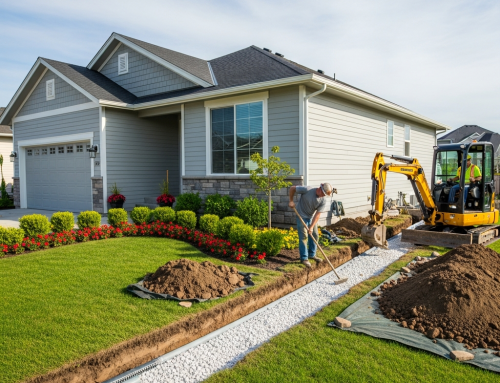
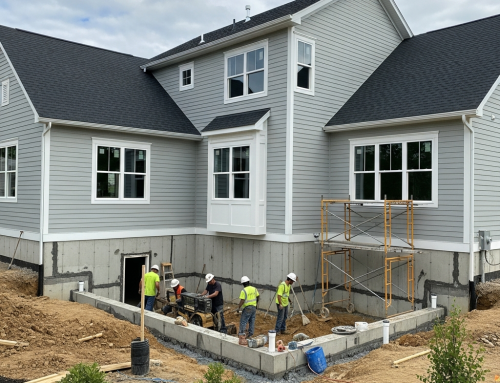
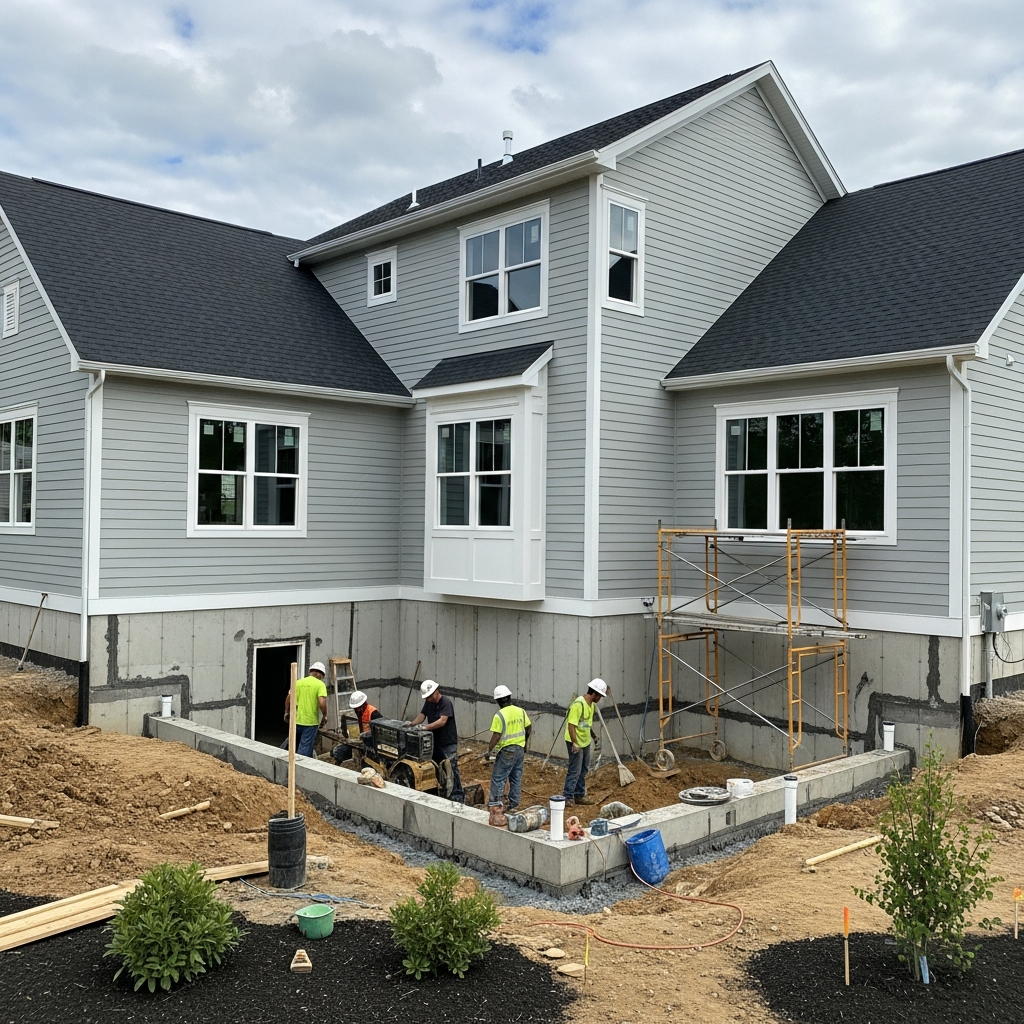
First things first: your yard is going to look like a construction zone. We’re talking heavy equipment, concrete trucks, and workers who show up at 7 AM sharp (yes, even on days when you’d rather sleep in). The good news? Most reputable companies will lay down protective coverings for your landscaping and walkways. Don’t hesitate to ask about this upfront – it should be standard practice, not an extra charge.
Getting the Most Bang for Your Buck
You know what most people skip? Bundling related work. Think about it – if crews are already excavating around your foundation for piers or underpinning, this might be the perfect time to address that drainage issue you’ve been ignoring. Or maybe install that basement waterproofing system you’ve been putting off.
I’ve seen homeowners save thousands by tackling everything at once rather than having separate crews come out later. Plus, you only have to deal with the disruption once. Your contractor might not mention this (they’re focused on the immediate problem), so bring it up yourself.
The Timeline Reality Check
Here’s what no one tells you about timing – weather matters more than you think. Rain delays aren’t just inconvenient; they’re necessary. You can’t properly compact soil or cure concrete in soggy conditions, and rushing this part will bite you later.
A typical pier installation might take 2-3 days in perfect conditions, but I’d budget for a full week. Especially if you’re dealing with clay soil (which takes forever to dry) or if your foundation needs multiple types of repair. And honestly? Don’t plan any dinner parties during this time. The noise, dust, and general chaos aren’t exactly entertaining-friendly.
Managing the Mess (Because There Will Be Mess)
Let’s be real about something – this process is dirty. Like, really dirty. Here’s what smart homeowners do to minimize the headache
Move anything valuable away from exterior walls. Vibrations from drilling and heavy equipment can shake things loose from shelves or walls. That antique vase your grandmother left you? Yeah, relocate it temporarily.
Cover your HVAC intake vents. Construction dust has a way of finding every opening in your home, and the last thing you want is your air conditioning system circulating concrete dust for months afterward. A simple piece of plastic and some tape will save you from expensive duct cleaning later.
Quality Control Tips They Won’t Tell You
Here’s an insider secret – take photos throughout the process. Not just before and after shots, but during the work. You want documentation of the pier placement, the depth they’re reaching, and the condition of your foundation before they start jacking it up.
Good contractors won’t mind this (in fact, they should be documenting everything themselves), but you’d be amazed how many “misunderstandings” get cleared up when everyone knows there’s a photo record.
Also, ask to see the equipment they’re using. Modern hydraulic piers should be installed with equipment that shows real-time pressure readings. If they’re eyeballing it or using outdated methods… well, that’s a red flag worth paying attention to.
The Post-Repair Reality
Something most contractors gloss over – your house might make some interesting noises for the first few weeks after repair. Settling sounds, small cracks in drywall, doors that suddenly fit differently in their frames. This is usually normal as everything adjusts to being properly supported again, but document anything that seems excessive.
You’ll also want to keep an eye on your utility bills. Sometimes foundation movement affects plumbing or HVAC efficiency. A good contractor will walk through these possibilities with you, but not all of them think to mention it.
One Last Thing…
Don’t feel pressured to sign off on completion the moment they finish. Most reputable companies will give you a few days to walk through everything, test doors and windows, and make sure you’re satisfied. Use that time. It’s much easier to address concerns before the final check is cashed than afterward.
Remember – this is probably the biggest repair investment you’ll make in your home. Taking your time to understand the process and advocate for quality work isn’t being difficult… it’s being smart.
When the Estimate Makes Your Heart Skip a Beat
Let’s be real – foundation repair estimates can feel like a punch to the gut. You’re expecting maybe a few thousand, and suddenly you’re staring at numbers that look more like a down payment on a house. Here’s the thing though: those sky-high quotes often include everything but the kitchen sink.
Good contractors will break down their estimates line by line. Don’t just look at the bottom number – ask what’s driving the cost. Sometimes you’ll find they’ve quoted for worst-case scenarios or included work that could honestly wait a year or two. You’re not obligated to fix everything at once, despite what some pushy sales reps might suggest.
Get at least three quotes. I can’t stress this enough. The range will probably shock you – we’ve seen estimates vary by tens of thousands for the same job. The cheapest isn’t always wrong, and the most expensive isn’t always right. Look for the company that explains their reasoning clearly and doesn’t make you feel like your house will collapse tomorrow if you don’t sign today.
The Access Problem Nobody Warns You About
Here’s something that catches everyone off guard: your beautiful landscaping might have to take a hit. Foundation repair often means heavy equipment needs to get close to your house, and that perfectly manicured garden bed? It might become a casualty.
Smart contractors will walk you through this before starting work. They should take photos of your landscaping and discuss protection methods or replacement costs. Some companies include basic landscaping restoration in their bids, others don’t – make sure you know which camp you’re dealing with.
And let’s talk about that cramped crawl space or basement. If workers can barely fit down there, expect the job to take longer and cost more. Sometimes creating better access (like widening a crawl space entrance) actually saves money in the long run because workers can move more efficiently.
The Disruption Reality Check
Foundation repair isn’t like getting your carpets cleaned – you can’t just disappear for the day and come back to a finished job. We’re talking days or weeks of noise, dust, and strangers traipsing through your space.
The drilling for piers? It’s loud. Really loud. Your neighbors might not love you for a while. If you work from home, plan to relocate during the noisiest phases. Some people rent a small office space or camp out at the library – factor this into your budget if needed.
Dust gets everywhere. Even when contractors use protective sheeting, fine particles have a way of sneaking into every crevice. Plan for extra cleaning afterward, and maybe store valuable items elsewhere during the work.
Permit Purgatory and Code Complications
This one’s frustrating because it varies so much by location. Some areas require permits for any foundation work, others only for major repairs. Your contractor should handle this, but delays happen when city inspectors are backed up or when they require plan modifications.
Here’s where things get tricky: older homes often don’t meet current building codes. Sometimes repair work triggers requirements to bring other systems up to code – suddenly your foundation repair includes electrical work too. Ask your contractor upfront about potential code issues. Experienced local companies usually know what to expect in your area.
The Weather Wild Card
Mother Nature doesn’t care about your repair timeline. Heavy rain can shut down pier installation, and extreme cold makes concrete work nearly impossible. Your “two-week project” might stretch into a month if weather doesn’t cooperate.
Spring and fall are typically ideal for foundation work, but that also means contractors are busiest then. Summer heat makes the work miserable but doesn’t usually stop it. Winter? That’s hit or miss depending on your climate.
Managing Family Stress and Expectations
Let’s be honest – foundation problems scare people. Your spouse might be convinced the house is about to collapse, while you’re wondering if you’re overreacting. Kids pick up on the stress and start asking uncomfortable questions about whether you’re moving.
Communication is everything here. Keep family members informed about timelines and what to expect each day. Some contractors are great with kids – they’ll explain what they’re doing and why. Others prefer to work without distractions. Know which type you’re dealing with and plan accordingly.
The truth is, most foundation repairs go smoothly once they start. The anticipation is usually worse than the actual work. Your house isn’t going anywhere – these problems typically develop over years, not days.
What to Actually Expect During the Repair Process
Let’s be honest – foundation repair isn’t exactly a weekend DIY project. You’re looking at anywhere from a few days to several weeks, depending on what your house needs. And yeah, I know that’s a pretty wide range, but here’s the thing… every foundation settles differently.
If you’re dealing with pier installation – which is pretty common for settling issues – you’re typically looking at 2-5 days for an average-sized home. But (and this is important) that assumes decent weather and no nasty surprises once they start digging. I’ve seen jobs stretch to two weeks because they hit a massive tree root system or discovered the soil conditions were worse than expected.
Interior repairs like wall anchors or carbon fiber reinforcement? Those tend to move faster – sometimes just 1-2 days. The trade-off is you’ll have contractors traipsing through your house, which… let’s just say it’s not fun having strangers in your basement while you’re trying to work from home.
The Dust, Noise, and General Chaos
Nobody really prepares you for how disruptive this whole process can be. Foundation work is loud – we’re talking jackhammers, heavy equipment, and crews that start early (because they want to beat the heat, which honestly makes sense).
Your yard is going to look like a construction zone. There will be equipment, piles of dirt, and probably some areas where the grass gets completely destroyed. Most reputable companies will do their best to restore your landscaping, but don’t expect it to look pristine immediately after they’re done.
And dust? Oh, the dust. Even with interior work, there’s going to be concrete dust, and it has this sneaky way of settling on everything. Consider moving any valuable furniture or electronics away from work areas, and maybe stock up on those microfiber cloths.
Signs Your Repair is Working (And When to Worry)
Here’s what you want to see: gradual stabilization. Not dramatic overnight changes – that’s actually not great. A properly done foundation repair should stop further settling and maybe – maybe – restore some level. But don’t expect your house to suddenly lift back to its original position like some kind of hydraulic magic trick.
You might notice some minor cracks appearing in drywall as things settle into their new normal. This is actually pretty typical and doesn’t mean the repair failed. Think of it like your house getting used to its new support system.
Red flags? If you see new cracks appearing in the foundation itself, doors that were fixed suddenly sticking again, or any signs that the settling is continuing… that’s when you need to get back on the phone with your contractor. Most good companies warranty their structural work for decades, so don’t hesitate to use that coverage.
The Inspection and Final Walkthrough
Once everything’s wrapped up, you’ll typically get a final inspection from the company – and honestly, this is your chance to ask all those questions you’ve been saving up. Don’t feel awkward about it. You just invested a significant amount of money in your home’s stability.
They should walk you through what they did, show you any before-and-after measurements, and explain how to monitor things going forward. Some companies provide monitoring systems or recommend annual check-ins, which… actually isn’t a bad idea, especially for the first year or two.
Living With Your “New” Foundation
After the repair, your house might feel different – and that’s normal. Floors that were slightly sloped might feel more level (which can actually be weird if you’ve gotten used to the old way). Doors might close differently. It’s like when you get new glasses and everything looks slightly off until your brain adjusts.
Most importantly, you’re going to be hyperaware of every little sound, crack, or shift for the next few months. This is totally understandable – you’ve just spent thousands of dollars fixing a problem that probably stressed you out for a while. But try not to panic at every settling noise. Houses make noises, even perfectly stable ones.
The real test of a good foundation repair isn’t what happens in the first month – it’s how things look in year two, three, and beyond. That’s when you’ll really know if the investment was worth it.
Looking back at everything we’ve covered, it’s pretty clear that foundation settling isn’t something you want to tackle with a weekend YouTube tutorial and a trip to Home Depot. The methods these professionals use – whether it’s underpinning with piers, slab jacking, or installing those massive steel push piers – they’re not just throwing mud at the wall to see what sticks.
What strikes me most is how methodical the whole process really is. These aren’t cowboys with jackhammers (though sometimes jackhammers are involved). They’re engineers and technicians who understand that your house is probably your biggest investment, and they treat it that way. The soil analysis, the load calculations, the careful monitoring… it’s like watching a surgeon work, honestly.
When to Stop Worrying and Start Acting
Here’s the thing about foundation problems – they whisper before they scream. Those hairline cracks you’ve been watching? That door that’s gotten progressively harder to close? Your house is trying to tell you something important. And while it’s tempting to hope these issues will just… stabilize on their own (spoiler alert: they won’t), waiting usually just means more extensive – and expensive – repairs down the road.
I get it, though. The thought of calling a foundation repair company can feel overwhelming. Maybe you’re worried about the cost, or concerned they’ll try to sell you services you don’t actually need. Those are totally valid concerns – this industry, like many others, has its share of less-than-stellar operators.
But here’s what I’ve learned from talking to homeowners who’ve been through this process: the relief they feel after addressing the problem properly is immense. One client told me it was like finally getting that weird noise in your car fixed – you don’t realize how much mental energy you were spending worrying about it until it’s resolved.
You Don’t Have to Figure This Out Alone
The good news? You’re not expected to become a foundation expert overnight. A reputable repair company will walk you through their findings, explain why they’re recommending specific solutions, and help you understand what you’re looking at. They should be answering your questions, not rushing you toward a signature.
And if you’re dealing with settling right now – whether it’s those concerning cracks or floors that feel a little off – you don’t have to carry this worry by yourself. Foundation issues can feel isolating (who else really understands the stress of watching your walls develop new character marks?), but thousands of homeowners successfully navigate these repairs every year.
The key is finding professionals who see your situation clearly, communicate honestly about your options, and respect that this is your home we’re talking about. Not just another job site.
If you’re ready to get some answers about what’s happening with your foundation, or if you just want someone knowledgeable to take a look and give you their honest assessment, we’re here to help. No pressure, no sales pitch – just straight talk about what your house needs and what your options look like. Sometimes the biggest relief comes from simply knowing what you’re dealing with.