How Foundation Problems Affect Doors, Windows, and Floors
You know that feeling when you’re rushing to get ready for work and your bedroom door suddenly decides it doesn’t want to close properly? You’re pushing and shoving, maybe throwing your shoulder into it – and there it is, that annoying gap that lets in cold air all winter long. Most of us just chalk it up to “old house problems” and move on with our day.
But here’s the thing… that stubborn door might be trying to tell you something pretty important.
Last week, I was chatting with Sarah, a homeowner who’d been dealing with what seemed like a string of unrelated issues. First, her front door started sticking every time it rained. Then she noticed her kitchen window wouldn’t lock properly. A few months later, she was calling a contractor because the hardwood floors in her living room had developed this weird gap that seemed to grow wider every month.
“I thought I was just unlucky,” she told me, laughing. “Like my house had hit middle age and everything was falling apart at once.”
Turns out, Sarah wasn’t unlucky at all. She was experiencing something that affects thousands of homeowners across the country – foundation settlement. And those seemingly random problems with her doors, windows, and floors? They were all connected, like dominoes falling in slow motion.
Here’s what most people don’t realize: your home’s foundation is basically the stage that everything else performs on. When that stage starts to shift or settle unevenly – even by just a fraction of an inch – it sends ripple effects through your entire house. Your doors start hanging crooked in their frames. Windows develop gaps that whistle in the wind. Floors begin to slope or separate.
And honestly? Most of us notice these things one by one, treating them like isolated maintenance issues rather than symptoms of something bigger happening beneath our feet.
The tricky part is that foundation problems don’t usually announce themselves with dramatic cracks or obvious damage (though sometimes they do). More often, they show up as these subtle, everyday annoyances that we learn to live with. That bathroom door you have to lift slightly to get it to latch. The basement window that never quite sits flush anymore. The way your favorite coffee mug slides to one corner of the kitchen counter.
These might seem like minor inconveniences – and maybe they are, for now. But understanding what’s actually causing them can save you from much bigger headaches down the road. Not to mention potentially thousands of dollars in repairs that could have been prevented with earlier intervention.
I’ve seen homeowners spend hundreds fixing doors and windows, only to have the same problems return within months because they never addressed what was causing the issues in the first place. It’s like putting a Band-Aid on a symptom while ignoring the underlying condition.
The good news? Once you know what to look for, you become a detective in your own home. Those little signs that used to frustrate you become valuable clues about what’s happening with your foundation. And catching foundation issues early – well, that’s often the difference between a manageable repair and a major renovation project.
We’re going to walk through exactly how foundation movement affects different parts of your home. You’ll learn to spot the early warning signs that most people miss (spoiler alert: they’re probably already hiding in plain sight around your house). We’ll talk about what causes foundations to shift in the first place, and when you should be concerned versus when you can breathe easy.
More importantly, you’ll understand when it’s time to call in a professional and when you might be able to handle things yourself. Because let’s be honest – not every door that sticks needs a foundation expert. Sometimes a door really is just a door.
But sometimes… sometimes that stubborn door is the first whisper of something that deserves your attention. And knowing the difference? That’s what we’re here to figure out together.
Your House is Actually More Like Jello Than You Think
Here’s the thing about houses that nobody really tells you when you’re house-hunting – they’re not actually solid, immovable objects. I know, I know… that sounds completely bonkers when you’re looking at what seems like a permanent structure made of concrete, wood, and steel. But stick with me here.
Your house is constantly moving. Tiny movements, sure, but it’s happening all the time. The foundation settles, the soil shifts with moisture changes, temperatures make materials expand and contract. It’s like your house is doing this incredibly slow dance with the earth beneath it – so slow you can’t see it happening day to day, but over months and years? Those microscopic movements add up.
Think of it like this: imagine your house is sitting on a giant piece of Jello that’s slowly changing shape. Even the tiniest wobble in that Jello affects everything stacked on top of it. That’s essentially what’s happening with your foundation and the ground it sits on.
The Domino Effect Nobody Prepared You For
When your foundation starts having issues – whether it’s settling, shifting, or developing cracks – it doesn’t just stay put down there in the basement being polite. Oh no. Foundation problems are like that one person at a party who can’t keep drama to themselves… they spread their issues throughout the entire house.
Your foundation is literally the base that everything else relies on. The walls, the floors, the door frames, the windows – they’re all connected in this intricate web of support. So when the foundation moves even slightly out of its original position, it’s like pulling on one corner of a spider web. Everything connected to it feels that tension.
What’s particularly sneaky about this process is that it happens gradually. You might notice a door that’s suddenly hard to close, or a window that sticks when you try to open it. Maybe there’s a new gap around your front door that’s letting in drafts. These seem like separate, minor annoyances at first – the kind of thing you might blame on humidity or just “the house getting older.”
Why Everything is Connected (And Why That Matters)
Here’s where it gets a bit technical, but bear with me because this actually explains so much about why foundation problems are such a big deal…
Your house frame is designed as an integrated system. The foundation provides a level, stable platform for everything else. The floor joists sit on that foundation. The walls rest on those floors. Door and window frames are built into those walls, carefully measured and installed when everything was supposedly square and level.
But here’s what’s counterintuitive – even tiny changes in the foundation can create dramatic problems upstairs. We’re talking about movements measured in fractions of an inch that can make doors completely unusable or create cracks in walls.
It’s kind of like a house of cards, except the cards are actually nailed together. When the bottom card shifts, it doesn’t just fall over – it forces every connected card to shift with it, creating stress and strain throughout the entire structure.
The Soil Situation (Because Dirt is More Complicated Than You’d Think)
The soil under your house isn’t just sitting there being dirt. It’s this dynamic, living system that responds to water, temperature changes, and time. Clay soils expand when they get wet and shrink when they dry out – sometimes dramatically. Sandy soils can wash away or compact. Even rocky soil can shift over time.
And here’s something that might surprise you – the soil around your house is rarely exactly the same as it was when your house was first built. Construction disturbs the natural soil layers, and over time, factors like drainage, landscaping changes, and even nearby construction can affect how your soil behaves.
Your foundation basically has to ride these changes like a surfer on a wave. When the “wave” is gentle and consistent, everything’s fine. But when the soil starts moving unevenly – maybe one corner of your house experiences more moisture than another, or tree roots affect one area more than others – that’s when your foundation starts to move in ways it wasn’t designed for.
The tricky part? By the time you notice problems with doors and windows, the foundation movement has usually been happening for a while. Those sticky doors and gaps around windows are often the first visible signs that something bigger is going on underneath your feet.
Spotting the Early Warning Signs (Before They Become Expensive Problems)
You don’t need to be a structural engineer to catch foundation issues early – you just need to know what to look for. And honestly? Most homeowners miss these signs until they’re staring at a five-figure repair bill.
Start with the door test – it’s ridiculously simple but incredibly revealing. Close every door in your house (yes, even that creaky closet door you usually ignore) and notice which ones suddenly require a shoulder check to shut properly. If doors that used to glide closed now stick at the top or leave gaps at the bottom, your foundation is likely settling unevenly.
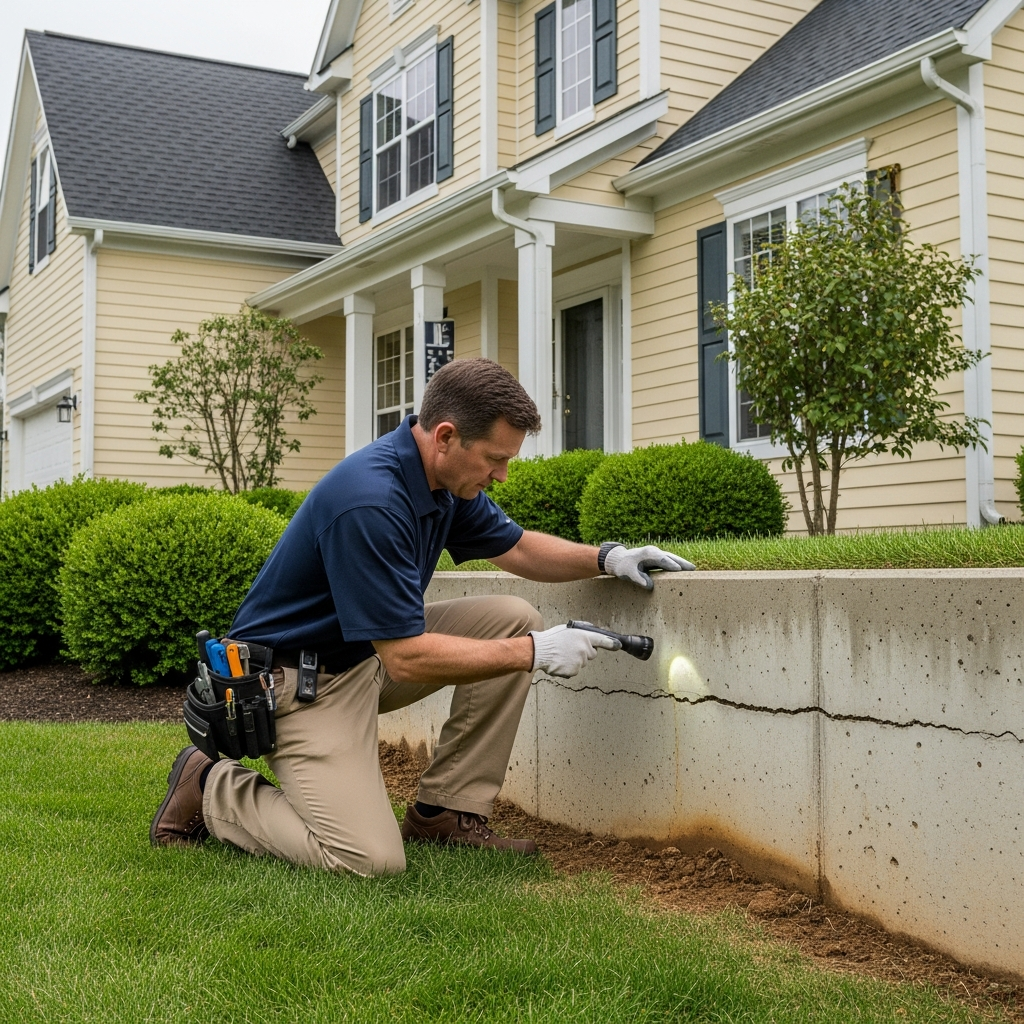
Here’s something most people don’t think to check: run your hand along door frames where they meet the wall. Feel any separation? Even a hairline gap that wasn’t there before means movement is happening. Take photos with your phone – seriously, do this today. You’ll want reference points if things get worse.
The Window Detective Work That Actually Matters
Windows tell foundation stories better than almost anything else, but you’ve got to know their language. Don’t just look – actually operate them. Open and close each window while paying attention to resistance patterns.
A window that used to open smoothly but now fights you at certain points? That’s your foundation talking. But here’s the trick most people miss: note *where* in the opening cycle it sticks. If it’s tough to start opening, the foundation has likely dropped on one side. If it binds halfway through? Different story – usually means lateral movement.
Check the window sill with a small level (you can grab a cheap one for under ten bucks). A sill that’s no longer level indicates the wall – and the foundation supporting it – has shifted. And while you’re there, look for new cracks in the glass itself. Not the obvious spider-web patterns from impact, but subtle stress cracks that seem to appear from nowhere.
Floor Mysteries Solved (Without Calling in the Pros… Yet)
Your floors are basically foundation mood rings – they reflect every shift and settlement happening below. But reading them correctly? That’s where most homeowners go wrong.
Grab a marble or tennis ball and place it randomly on your floors. Not near walls or obvious slopes – just somewhere in the middle of rooms. If it rolls consistently toward one direction, you’ve found your settlement pattern. Do this in multiple rooms and map out where the marble wants to go. You’re essentially creating a DIY topographical survey of your foundation’s current state.
The tape measure trick works wonders too. Measure the diagonal distance across rooms from corner to corner. Jot down these measurements. A room that’s supposed to be square but measures differently on opposite diagonals? Foundation movement is pulling your house out of square.
Smart Documentation (Because Memory is Terrible)
Look, nobody wants to become the person who obsesses over every tiny house detail, but smart documentation can save you thousands. And I don’t mean some elaborate spreadsheet system – just consistent, simple tracking.
Take monthly photos of problem areas using your phone’s camera with the date stamp turned on. Focus on door gaps, window frames, and any floor cracks. Store them in a dedicated album labeled “House Monitoring” or something equally thrilling.
Keep a simple notebook near your front door and jot down when you notice changes. “Kitchen door sticking worse after heavy rains in March” or “Bedroom window won’t stay open anymore – started sometime in July.” These patterns matter more than you think.
When to Stop Playing Detective and Make the Call
Here’s the reality check nobody wants to hear: there’s a line between helpful monitoring and dangerous delay. If you’re noticing multiple signs across different areas of your house, or if changes are happening quickly (over weeks rather than months), it’s time to bring in professionals.
But even then, your detective work pays off. A foundation specialist will take you seriously when you can show documented changes over time rather than just saying “something seems off.” Your photos, measurements, and observations become valuable diagnostic tools that can actually speed up the assessment process.
The goal isn’t to become a foundation expert – it’s to catch problems while they’re still manageable and your options are still good. Because trust me, foundation issues never get cheaper to fix by waiting.
When DIY Dreams Meet Reality
You know that moment when you’re watching a home renovation show and think, “How hard could it be?” Well, when it comes to foundation issues affecting your doors, windows, and floors, the answer is usually… pretty darn hard.
The biggest mistake homeowners make? Thinking they can just adjust a sticky door here, shim a window there, and call it good. But here’s the thing – you’re essentially putting a Band-Aid on a broken bone. Those symptoms you’re seeing? They’re just the tip of the iceberg.
Take Sarah, one of our clients who spent three weekends “fixing” her guest room door that wouldn’t close properly. She planed it, adjusted the hinges, even bought new hardware. Two months later, it was worse than before… because the foundation kept settling.
The “It’s Just Getting Older” Trap
This one drives me absolutely crazy – and I get it, because I fell into this trap with my own house. When your floors start creaking or your windows stick a bit more each year, it’s tempting to chalk it up to “character” or normal aging.
But foundation settlement doesn’t follow the same timeline as other house issues. Your roof might gradually wear out over 20 years, but foundation problems can accelerate quickly once they start. What looks like minor settling this year could become major structural damage next year.
The solution here isn’t ignoring the signs – it’s learning to distinguish between normal house settling (which happens in the first year or two after construction) and ongoing foundation movement. If your house is more than five years old and you’re still seeing new cracks, doors that suddenly don’t fit, or floors that feel different underfoot… that’s not aging, that’s your foundation talking.
The Money Anxiety Spiral
Let’s be honest about the elephant in the room – foundation repair is expensive. When you start researching solutions online, those price tags can send you into full panic mode. I’ve watched clients postpone necessary repairs for years because they’re terrified of the cost.
But here’s what nobody tells you: waiting often makes everything more expensive. That slightly sticky window today might need a complete frame replacement in two years. Those small floor gaps? They could become major structural issues that affect your home’s resale value.
The key is getting a realistic assessment early. Most reputable foundation specialists offer free evaluations, and you’d be surprised how often the “catastrophic” problem you’re imagining turns out to be manageable. Sometimes it’s as simple as improving drainage around your foundation – a few hundred dollars instead of tens of thousands.
When Professional Help Feels Overwhelming
Finding the right contractor feels like navigating a minefield, doesn’t it? Especially when you’re dealing with something as critical as your foundation. You’ve got companies giving you wildly different diagnoses, estimates that vary by thousands of dollars, and that nagging worry that someone’s trying to oversell you.
Here’s your reality check: get at least three opinions, but make sure they’re from actual structural engineers or certified foundation specialists, not just general contractors. Ask each one to explain not just what they’d fix, but why your doors, windows, and floors are showing these specific symptoms.
And please – I cannot stress this enough – don’t automatically go with the cheapest bid. Foundation work done wrong can create bigger problems than you started with.
The Perfectionist’s Dilemma
Some of our clients get stuck because they want to fix everything at once, perfectly, all coordinated and beautiful. But foundation repair isn’t like redecorating a room – it’s more like physical therapy for your house.
Sometimes you need to address the foundation first, then see how your doors and windows behave once things stabilize. Other times, you might need temporary fixes while you plan a larger repair strategy.
The solution? Think in phases. Stabilize first, then beautify. Your stuck windows might work perfectly fine once the foundation stops moving, saving you the cost of replacement. Or that bouncy floor might level out naturally after foundation work, meaning you won’t need expensive floor repairs.
The goal isn’t perfection – it’s stopping the progression of damage while keeping your home safe and functional. Everything else can be addressed once your foundation is solid again.
What to Expect During the Repair Process
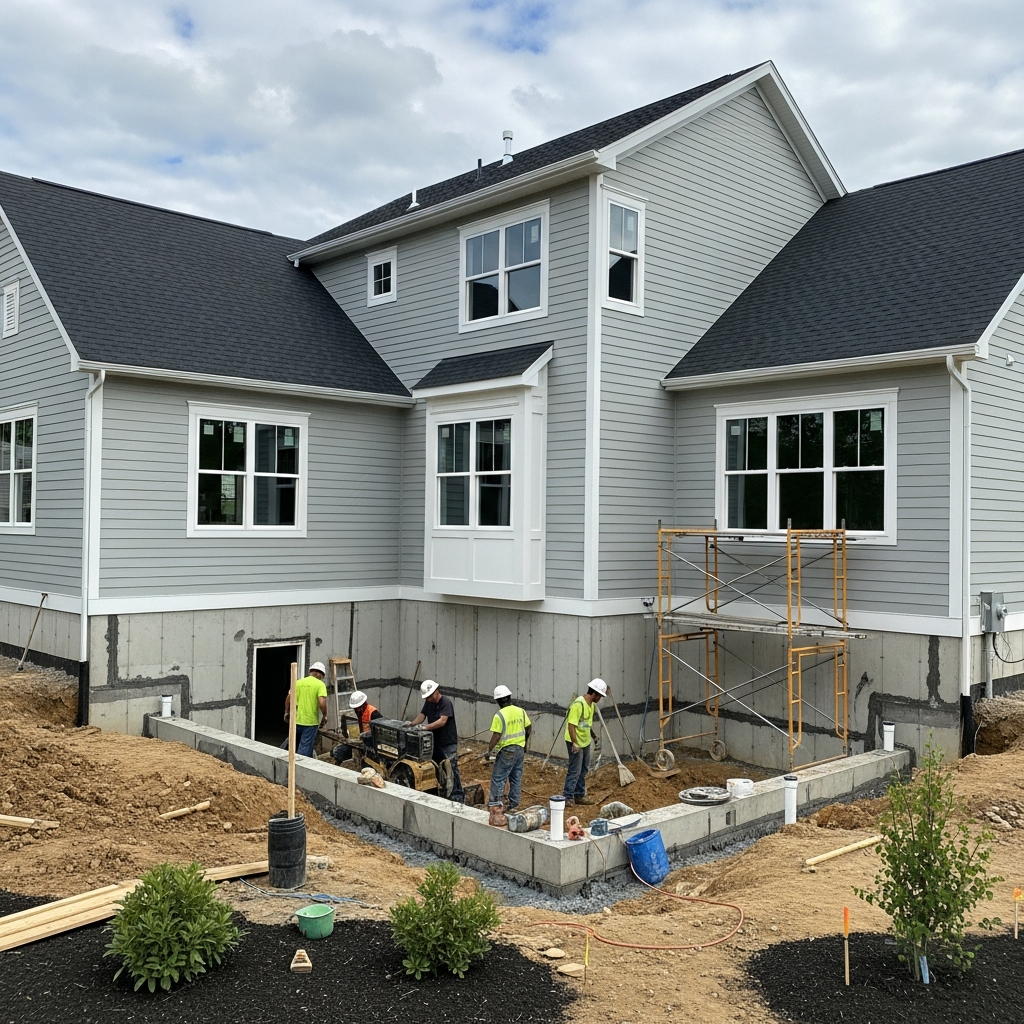
Let’s be honest – foundation repairs aren’t exactly a weekend DIY project. You’re looking at anywhere from a few days to several weeks, depending on what’s going wrong under your house. I’ve seen homeowners get frustrated because they expected everything to be fixed overnight, but foundation work is more like… well, think of it as surgery for your house. You wouldn’t rush a surgeon, right?
Most foundation repairs take between 3-10 days for the actual work. But here’s the thing – that timeline can stretch if weather doesn’t cooperate (concrete and rain don’t play nice together), or if contractors discover additional issues once they start digging. It’s kind of like opening up a wall and finding more problems than you bargained for.
During this time, you’ll probably notice some dust, noise, and general disruption. The crew might need to move furniture, and there could be equipment in your yard that makes it look like a small construction site. Some homeowners are surprised by how involved the process feels – it’s not just guys showing up with a few tools and disappearing quietly.
Understanding the Settlement Timeline
Here’s something that catches a lot of people off guard: your doors and windows might not immediately return to normal after foundation repairs. I know, I know – you’re thinking “But didn’t we just fix the foundation?”
The truth is, your house has been settling into its wonky position for months or even years. Those door frames have gotten comfortable being slightly out of square, and the wood has actually adjusted to accommodate the foundation movement. It’s like how your body adapts to sleeping in a weird position – everything shifts to make it work.
After foundation repairs, you might see gradual improvement over the next 6-12 months. Some doors will start closing better within a few weeks, while others… well, they might need some additional adjustment. Floor squeaks often improve relatively quickly, but don’t be alarmed if some persist – sometimes the subflooring has been stressed enough that it needs separate attention.
When Additional Repairs Are Necessary
This is the part nobody wants to hear, but sometimes foundation work reveals that your doors, windows, or floors need their own repairs. Think of it this way – if your foundation has been shifting for years, those other components have been working overtime to compensate.
You might discover that door frames are actually warped (not just out of alignment), or that some floorboards have been permanently stressed. Window frames sometimes develop their own issues that won’t resolve just because the foundation is level again.
The good news? Most of these additional repairs are relatively minor compared to foundation work. We’re talking about door adjustments, maybe some trim work, or addressing specific floor squeaks. Your contractor should be upfront about what they’re seeing during the foundation repair process.
Planning Your Next Steps
Before the foundation crew even shows up, ask about post-repair expectations. Will they check back in a few months to see how everything is settling? What’s included in their warranty, and what isn’t? These aren’t gotcha questions – they’re practical planning tools.
I’d recommend waiting at least 30-60 days after foundation repairs before addressing cosmetic door and window issues. Give everything time to settle into its new normal position. You might find that sticky door resolves itself, or that window that wouldn’t quite close starts working properly again.
Keep a simple log during this period. Note which doors are still problematic, where you’re hearing floor squeaks, or if new issues develop. This information is gold when you’re talking to contractors about follow-up work.
Managing Your Expectations (And Your Stress)
Foundation repairs are a big deal – both financially and emotionally. It’s completely normal to feel anxious about the process, especially when you’re living in the house during repairs.
Don’t expect perfection immediately after the work is complete. Your house has been through a lot, and it needs time to adjust to its new, stable foundation. Most reputable contractors will tell you this upfront, but some homeowners still expect everything to be perfect the day the crew leaves.
Remember that foundation repair is preventive medicine for your house. You’re stopping further damage and setting everything up for long-term stability. Those doors might still stick for a while, but at least you know they’re not getting worse because your foundation is shifting.
The most important thing? Stay in communication with your contractor about what’s normal and what isn’t during the settling period.
You know what? I get it. Standing in your hallway, watching that door swing open on its own for the hundredth time, or feeling that soft spot in the floor that makes you wonder if you’re going to fall through… it’s unsettling. Actually, it’s more than unsettling – it can feel downright scary when you start connecting the dots between all these little quirks your house has developed.
The thing is, your home is trying to tell you something. Those sticky windows, the gaps around door frames, that new squeaky spot on the stairs – they’re all part of the same conversation. And while it might feel overwhelming to think about foundation issues (because let’s be honest, “foundation problems” sounds expensive and complicated), here’s what I want you to remember: you’re not powerless here.
Most foundation issues don’t happen overnight. They’re gradual, which means you’ve got time to address them properly. That door that won’t stay closed? It’s not going to suddenly fall off its hinges tomorrow. Those hairline cracks around your windows aren’t going to turn into gaping holes next week. But – and this is important – they’re also not going to fix themselves.
Think of it like this… you know how when you ignore that weird noise your car makes, it doesn’t just go away? Your house works the same way. Those small signs are your early warning system, and catching them now is so much better than waiting until you’ve got major structural damage on your hands.
Here’s what really matters: you don’t have to figure this out alone. I’ve seen too many homeowners lose sleep (literally) worrying about what might be wrong, googling symptoms at 2 AM, getting more confused and anxious with every search result. But foundation problems – even serious ones – are solvable. We’ve got the tools, the experience, and honestly, we’ve seen it all before.
The relief on people’s faces when they finally understand what’s happening with their home? When they realize it’s not as catastrophic as they imagined? That’s why we do this work. Because your peace of mind matters. Because you deserve to feel secure in your own space.
If you’re noticing some of these signs – the doors that won’t stay shut, windows that fight you when you try to open them, floors that feel different under your feet – don’t let anxiety take over. These issues are more common than you might think, and they’re absolutely manageable with the right approach.
Give us a call. Seriously. Even if you’re not sure if what you’re experiencing is foundation-related, we can help you figure it out. Our initial consultation isn’t about selling you anything – it’s about giving you clarity. Understanding what’s actually happening with your home. Sometimes that’s all you need to sleep better at night.
You’ve invested so much in your home – not just money, but memories, comfort, security. Let’s make sure it keeps taking care of you the way it should. You don’t have to navigate this uncertainty alone, and you definitely don’t have to wait until small problems become big ones.
Your home’s foundation supports everything above it… and we’re here to support you through whatever comes next.