What Is the Best Method to Fix Foundation Issues?
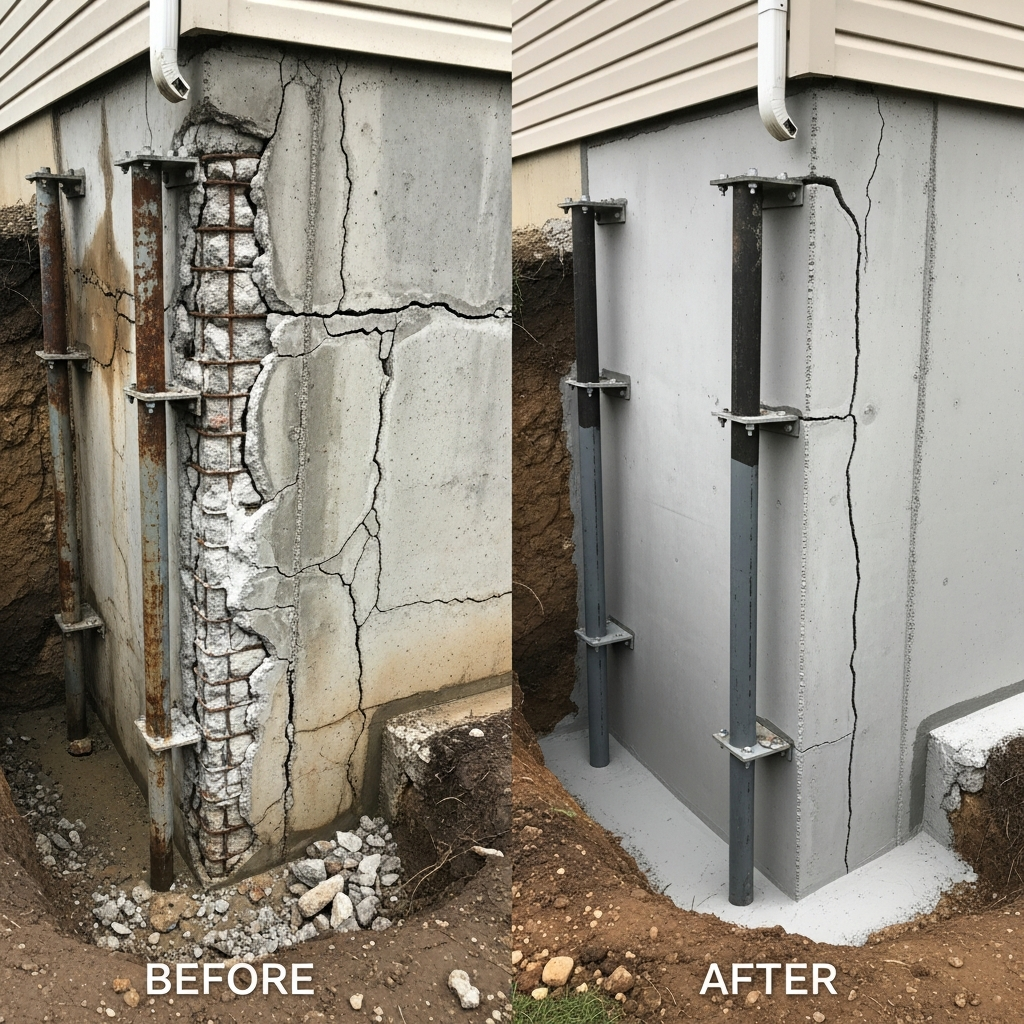
You know that sinking feeling when you notice a new crack zigzagging down your living room wall? Or maybe it’s the way your front door has started sticking – the one that used to close perfectly, now requiring a firm shoulder to latch properly. Yeah… we’ve all been there.
Last month, my neighbor Sarah called me in a panic. “The tiles in my bathroom are literally popping off the wall,” she said, her voice tight with that particular brand of homeowner dread we all know too well. Turns out, what started as a “minor settling issue” had turned into a full-blown foundation nightmare. The kind that makes your stomach drop when you think about the potential repair bills.
Here’s the thing about foundation problems – they’re sneaky little troublemakers. They don’t announce themselves with dramatic fanfare. Instead, they whisper their presence through subtle signs that most of us brush off as normal house aging. A crack here, a slightly uneven floor there, doors that don’t quite fit their frames anymore…
But here’s what I’ve learned after dealing with my own foundation drama (and trust me, it wasn’t pretty): ignoring these whispers doesn’t make them go away. It just means they’ll eventually start shouting. And when foundation issues start shouting? Well, let’s just say your wallet won’t be happy about the conversation.
The tricky part – and this is where most homeowners get overwhelmed – is that there’s no one-size-fits-all solution. Foundation repair isn’t like changing a light bulb where you can just grab any old method and call it a day. Different problems require different approaches, and choosing the wrong method? That’s like putting a band-aid on a broken bone. It might look fixed temporarily, but you’re setting yourself up for bigger headaches down the road.
I remember talking to a contractor who put it perfectly: “Foundation repair is part detective work, part engineering, and part art.” You’ve got to figure out what’s actually causing the problem (and spoiler alert – it’s not always what you think), understand the science behind why your house is doing what it’s doing, and then choose the right fix that’ll actually stick around for the long haul.
Now, before you start spiraling into worst-case scenarios – because I know that’s where your mind is probably headed right now – let me tell you something encouraging. Most foundation issues are totally fixable. Really. Even the ones that look scary as heck at first glance. The key is understanding your options and knowing how to match the right solution to your specific situation.
That’s exactly what we’re going to dig into together. We’ll walk through the most effective foundation repair methods – from the tried-and-true techniques that have been around for decades to some of the newer innovations that are honestly pretty impressive. You’ll learn how to spot the difference between a foundation issue that needs immediate attention and one that can wait a bit (because yes, there is a difference, despite what some contractors might tell you).
We’ll also talk about something that doesn’t get discussed nearly enough: how to avoid getting taken for a ride. The foundation repair industry has its share of… let’s call them “enthusiastic salespeople”… who might try to convince you that you need a complete foundation overhaul when a simpler solution would do the trick just fine.
Plus, I’ll share some red flags to watch out for – both in terms of contractors and repair methods that sound too good to be true. Because they usually are.
By the time we’re done, you’ll have a solid understanding of what each repair method actually involves, when they’re most effective, and – perhaps most importantly – how to have intelligent conversations with contractors without feeling like you’re speaking different languages.
Your house is probably your biggest investment, and your foundation? Well, that’s literally what everything else is built on. So let’s make sure you’re equipped to make smart decisions that’ll keep your home stable and your bank account as happy as possible.
The Ground Beneath Your Feet (And Why It Matters)
Your home’s foundation is basically doing the same job as your shoes on a hiking trail – it’s the barrier between your house and whatever’s happening in the soil below. But here’s where it gets tricky… soil isn’t just dirt sitting there minding its own business. It’s this living, breathing, constantly shifting thing that expands when it’s wet, shrinks when it’s dry, and sometimes just decides to settle in ways that make your foundation go “nope.”
Think of it like a sponge under a book. When the sponge is dry, the book sits flat. Add water? The book starts tilting. Take the water away? Different kind of tilting. Your foundation deals with this drama 24/7, and honestly, it’s pretty impressive how long most of them hold up.
Clay soil is particularly notorious for this expand-and-contract dance. Sandy soil has its own issues – it drains so well that it can literally wash away from under your foundation. And don’t get me started on fill dirt (you know, that soil they brought in to level your lot). It’s like building on a pile of loose change – eventually, things are going to shift around.
When Foundations Start Speaking Up
Most people think foundation problems announce themselves with dramatic cracks that look like earthquake damage. Sometimes, sure. But more often? It’s subtle stuff that you might blame on normal house settling.
Doors that used to close easily now stick. Windows that won’t quite shut all the way. That gap between your baseboard and the floor that wasn’t there last year… These are your foundation’s way of tapping you on the shoulder and saying, “Hey, we need to talk.”
The really sneaky part is that foundation movement rarely happens overnight – unless you’ve got a major plumbing leak or some crazy weather event. It’s more like watching your kids grow up. You don’t notice it day by day, but then one morning you realize your door frame is definitely not square anymore.
Cracks in your walls, especially where walls meet ceilings or around doorframes, are telling you a story. Hairline cracks? Might just be normal settling. Cracks you can stick a coin into? Yeah, that’s your foundation having some serious thoughts about its life choices.
The Water Factor (It’s Always About Water)
Here’s something that might surprise you – water causes about 90% of foundation problems, but it’s not always too much water that’s the issue. Sometimes it’s too little, or water in the wrong places, or water that shows up and leaves on an unpredictable schedule.
Your foundation was designed assuming a certain amount of moisture in the soil around it. When that changes dramatically – like during a drought followed by heavy rains – it’s like changing the rules of the game mid-play. The soil does things your foundation wasn’t expecting.
Poor drainage around your house creates this slow-motion disaster scenario. Water pools around your foundation, the soil gets saturated and expands, pushing against your foundation walls. Then it dries out and shrinks away, leaving gaps that the next rain will fill… and the cycle continues, each time creating a little more movement, a little more stress.
The Underground Reality Check
This might sound obvious, but fixing foundation problems is complicated because you can’t see what’s happening underground. It’s like trying to fix your car engine while wearing a blindfold – you’ve got to make educated guesses based on what you can observe above ground.
That’s why foundation repair isn’t really DIY territory, despite what some YouTube videos might suggest. Professional foundation contractors use tools like soil analysis, laser levels, and sometimes even ground-penetrating radar to figure out what’s actually happening down there. They’re basically foundation detectives.
The soil composition around your house, how deep the foundation goes, what type of foundation you have (slab, crawl space, basement), the local climate patterns… all of this factors into determining not just what’s wrong, but what’s the best way to fix it.
And here’s the thing that’s both frustrating and reassuring – there’s usually more than one way to address a foundation problem. The “best” method depends on your specific situation, your budget, and honestly, how long you’re planning to stay in the house.
Start with the Right Detective Work
You can’t fix what you don’t understand, and foundation problems are like medical symptoms – treating the wrong thing makes everything worse. Before you call anyone or spend a dime, grab a flashlight and do some investigating.
Walk around your house during different weather conditions. After heavy rain, check for pooling water near your foundation. Look for that telltale white, chalky residue on basement walls – that’s efflorescence, and it’s basically your foundation crying for help. Take photos of cracks with a coin next to them for scale… trust me, you’ll want this documentation later when talking to contractors.
Here’s something most people miss: check your gutters and downspouts first. I can’t tell you how many “foundation emergencies” I’ve seen that were really just clogged gutters sending water exactly where it shouldn’t go.
Know Your Foundation Type Before Making Moves
Not all foundations are created equal, and what works for your neighbor’s slab might be disastrous for your crawl space.
Slab foundations are like the strong, silent type – they don’t give you many warning signs before major problems hit. If you’ve got one, pay attention to doors that suddenly don’t close properly or new cracks in your tile floors.
Crawl spaces are chattier – they’ll show you moisture problems, settling issues, and ventilation disasters if you’re willing to crawl down there and look. (And yes, you should absolutely do this, even if it’s not your favorite weekend activity.)
Full basements are like having a front-row seat to your foundation’s health. Water stains, musty smells, or that gradual bow in your basement wall? Don’t ignore these red flags.
The Timing Game That Saves Thousands
Here’s an insider secret: foundation work is seasonal, and timing your repairs right can save you serious money. Late fall and winter are when contractors are hungrier for work – you’ll get better prices and more attention to your project.
But here’s the catch… some problems can’t wait. If you’re seeing rapid changes – cracks that grow noticeably from month to month, or doors that were fine in spring but won’t close by summer – that’s your foundation telling you it’s actively moving. Don’t gamble with “waiting for a better price.”
Water damage falls into the “fix it now” category too. Every day you wait is another day for mold to establish its own little kingdom in your foundation.
Getting Multiple Quotes Without Getting Played
When you start calling contractors, you’re entering a world where prices can vary wildly for the same work. I’ve seen quotes for identical foundation repairs range from $3,000 to $15,000. The difference? Some contractors are padding their estimates, others are cutting corners you can’t see yet.
Ask each contractor the same specific questions: What’s causing the problem? What’s their exact plan to fix it? What warranty do they offer? If someone can’t explain the “why” behind their solution in terms you understand, keep looking.
And here’s something contractors won’t tell you – many foundation issues can be addressed with preventive measures that cost hundreds instead of thousands. Proper drainage, soil grading, and moisture control can stop small problems from becoming foundation nightmares.
The DIY Boundary Line
Some foundation maintenance you can absolutely handle yourself, and some… well, some things are worth paying professionals for (and keeping your homeowner’s insurance happy).
You can tackle: Cleaning gutters and downspouts, improving drainage around your foundation, sealing minor cracks in basement walls, and adjusting your home’s moisture levels with proper ventilation.
Leave to the pros: Anything involving structural support, major excavation, or work that requires permits. Also, if you’re seeing horizontal cracks in basement walls or your house is literally separating from its foundation… yeah, call someone immediately.
The Money Talk Nobody Wants to Have
Foundation repairs aren’t cheap, but foundation failure is catastrophic. If budget’s tight, ask contractors about phased repairs – addressing the most critical issues first and tackling cosmetic problems later.
Some repairs qualify for financing through contractors or home improvement loans. And if your foundation problems are related to plumbing leaks or weather events, check with your insurance company before paying out of pocket.
The bottom line? Small fixes now prevent big disasters later. Your foundation is literally what everything else sits on – it’s worth protecting.
When Reality Hits: The Challenges Nobody Warns You About
Let’s be honest – everyone talks about foundation repair like it’s straightforward. Find the problem, fix it, move on. But if you’re dealing with this right now, you know it’s messier than that.
The biggest shock? The waiting game. You call a contractor expecting to schedule work next week, and they tell you it’ll be three months. Meanwhile, you’re watching that crack grow wider every day, wondering if your house is slowly collapsing. Here’s the thing – good foundation contractors are booked solid because foundation problems don’t take breaks. The solution isn’t to panic-hire whoever can come tomorrow (trust me on this one). Instead, get multiple quotes now, book with someone reputable, and document everything with photos while you wait. That crack probably won’t cause catastrophic damage in three months, but having a paper trail will help if insurance gets involved.
The Money Talk Nobody Wants to Have
Foundation repair costs hit different than other home repairs. We’re not talking about a few hundred dollars for a leaky faucet – we’re talking thousands, sometimes tens of thousands. And here’s what really stings: insurance usually doesn’t cover it unless you can prove it was sudden and accidental damage.
I’ve seen homeowners try to DIY major foundation issues to save money, and… let’s just say it rarely ends well. You might save $5,000 upfront only to create a $15,000 problem later. The smarter play? Get financing through the contractor (many offer it) or look into a home equity line of credit. Some contractors also offer payment plans – don’t be embarrassed to ask. They’ve seen financial stress before.
The Disruption Factor
Nobody prepares you for how disruptive foundation work actually is. Your yard turns into a construction zone. Jackhammers at 7 AM. Strangers tracking mud through your house to access crawl spaces. Your neighbor’s judgmental looks at the equipment parked on the street…
The key is setting boundaries upfront. Ask contractors about their cleanup policy – daily? Weekly? End of job only? Request specific work hours if you work from home. And here’s a pro tip: take photos of your landscaping before work starts. You’ll want documentation if your prize roses don’t survive the excavation process.
When the First Solution Doesn’t Work
This is the conversation nobody wants to have, but sometimes the initial repair doesn’t solve everything. Maybe you fixed the settling on one side, but now the other side is showing stress. Or the waterproofing helped, but you’re still getting some moisture during heavy rains.
Don’t assume you got scammed – foundation issues can be like pulling a thread on a sweater. Sometimes addressing one problem reveals another that was hidden. The frustrating part? Good contractors usually spot these potential issues during the initial assessment, but they can’t always predict how your specific foundation will respond to repairs.
What helps: work with contractors who offer warranties and stand behind their work. Ask specifically what happens if additional issues surface within the first year. Get this stuff in writing.
The Perfectionism Trap
Here’s something that trips up a lot of people – waiting for the “perfect” solution or the “right” time to address foundation problems. You research for months, getting paralyzed by all the options. Meanwhile, that minor issue becomes a major one.
Foundation problems are progressive. They don’t pause while you decide between helical piers and push piers. They don’t wait for your tax refund or your ideal contractor availability. Sometimes “good enough” timing with a solid contractor beats “perfect” timing that never comes.
Dealing with Contractor Communication
The foundation repair world has its share of communication… challenges. Some contractors are great at the technical stuff but terrible at explaining what’s happening. Others oversell you on solutions you don’t need.
Set communication expectations early. Ask for updates at specific intervals. Request explanations in plain English, not technical jargon. And if something doesn’t make sense, keep asking questions until it does. You’re not being difficult – you’re being smart.
The contractors worth working with appreciate informed clients. The ones who get irritated by questions? That tells you something important about how they’ll handle problems during the actual work.
Remember: foundation repair isn’t just about fixing your house – it’s about getting back your peace of mind. And that’s worth fighting for, even when the process gets messy.
What Should You Really Expect During Foundation Repair?
Let’s be honest – foundation repair isn’t like getting your teeth cleaned. You’re not walking in and out in an hour with a fresh smile. This is more like… well, imagine someone’s performing surgery on your home’s skeleton while you’re still living in it.
Most homeowners think foundation work will be wrapped up in a week, maybe two tops. And I get it – when something’s wrong with your house, you want it fixed yesterday. But here’s the reality: a typical foundation repair project takes anywhere from 2-6 weeks, depending on what method you’re using and how extensive the damage is.
If you’re going with pier installation (which, remember, is often the gold standard), you’re looking at about 1-3 days for the actual installation. Sounds quick, right? But that’s just the mechanical part. Before that happens, there’s usually a week or two of prep work – permits, utility marking, material delivery. And after? Well, your foundation needs time to settle into its new normal.
The Settling Period Nobody Talks About
This might be the most important thing your contractor won’t emphasize enough: your house needs time to adjust. Think of it like physical therapy after surgery – the fix is in place, but everything needs to find its new equilibrium.
For the first few months after repair, you might notice small cracks appearing or disappearing, doors that were sticking suddenly swing freely (or vice versa), and maybe some minor cosmetic issues popping up. This is normal. Actually, it’s expected. Your house is basically learning to stand properly again.
Most reputable contractors will tell you to wait 6-12 months before doing any major cosmetic repairs – repainting, retiling, that sort of thing. I know that’s frustrating when you just want everything to look perfect again, but trust the process.
Managing Life During Construction
Here’s what no one prepared me for when I went through foundation repair at my own place – the daily disruption is real. You’ll have crews showing up early (and I mean *early*), equipment humming outside your bedroom window, and strangers tramping through your yard for days on end.
If you’ve got kids or pets, plan ahead. Dogs especially hate the noise and vibration – my neighbor’s golden retriever spent two weeks hiding under the bed. And if you work from home? Good luck with video calls when they’re driving piers into the ground.
Stock up on patience. And maybe invest in some good noise-canceling headphones.
The Money Timeline (Because Let’s Talk Real Numbers)
Most contractors want payment in stages, which is actually good for everyone. Typically, you’ll pay a percentage upfront – usually 10-20% – then payments tied to project milestones. Final payment comes after completion and your inspection.
Here’s a pro tip that saved me some headaches: get the payment schedule in writing, and make sure it aligns with actual work completion, not arbitrary dates. Weather delays happen. Supply chain issues are real. You shouldn’t pay for work that hasn’t been done yet.
Red Flags That Should Make You Pause
If a contractor promises your foundation will be “like new” or “better than when it was built,” run. Foundation repair is about stabilization and preventing further damage – not time travel.
Also watch out for anyone pushing you to make immediate cosmetic repairs. Reputable contractors know about that settling period I mentioned. They’ll actively discourage you from rushing into aesthetic fixes.
What Comes After the Crew Leaves
Your contractor should provide you with a detailed report of what was done, including before and after measurements. Keep this forever – seriously, file it with your home’s important documents. Future buyers will want to see it, and if you ever have warranty issues, you’ll need it.
Most quality foundation work comes with substantial warranties – often 10-25 years for structural repairs. But warranties are only as good as the company backing them, so… choose wisely.
Regular monitoring becomes part of your new normal. This doesn’t mean obsessing over every hairline crack, but do periodic walk-arounds, especially after severe weather. Take photos. Note changes. Most issues are caught early this way.
Your foundation repair isn’t just a one-time fix – it’s the beginning of a more mindful relationship with your home’s structural health. And honestly? That’s not a bad thing.
Trust Your Gut – And Your Home’s Foundation
Here’s what I’ve learned after years of watching people wrestle with foundation problems: the anxiety you’re feeling right now? It’s completely normal. That nagging worry that keeps you up at night, wondering if that crack is getting bigger or if your floors are actually sloping more than last month – you’re not imagining things, and you’re definitely not overreacting.
Your home is probably your biggest investment, and honestly… it’s also your sanctuary. The place where your family gathers, where you’ve built memories, where you should feel completely safe. When something threatens that foundation – literally – it shakes more than just the structure. It shakes your peace of mind.
The good news? Foundation issues, while serious, are rarely as catastrophic as our midnight worries make them seem. Yes, they need attention. No, they won’t typically cause your house to suddenly collapse (I know, I know – that’s exactly what you’ve been picturing). Most foundation problems develop slowly over years, which means you have time to make smart, informed decisions.
What matters most is taking action before small problems become expensive ones. Those hairline cracks you’ve been monitoring? They’re your home’s way of asking for help. That door that won’t close properly anymore… same thing. Your house is trying to tell you something, and ignoring those signals is like ignoring a persistent cough – it rarely gets better on its own.
Remember, every foundation problem has a solution. Some are simple and relatively inexpensive – maybe it’s just a drainage issue or minor settling. Others require more investment, sure, but even major repairs are manageable when you work with the right professionals who understand both the technical aspects and the emotional weight of what you’re dealing with.
The key is getting an honest assessment from someone who’s not trying to sell you the most expensive option right out of the gate. Someone who’ll walk you through your home, explain what they’re seeing in terms you actually understand, and give you realistic timelines and budgets. Because here’s the thing – good contractors know that your trust is worth more than any single job.
You don’t have to figure this out alone. Actually, you shouldn’t try to. Foundation work isn’t a DIY weekend project, and even deciding between repair options can feel overwhelming when you’re not sure what questions to ask or what red flags to watch for.
If you’re ready to stop wondering and start getting real answers, we’re here to help. Not with a pushy sales pitch or scary tactics – just honest guidance from people who’ve helped hundreds of homeowners work through exactly what you’re facing right now. We’ll help you understand your options, connect you with trusted professionals in your area, and support you through the entire process.
Ready to get some peace of mind? Give us a call or shoot us a message. Let’s talk about what’s happening with your foundation and figure out the best path forward – together. Because you deserve to feel confident and secure in your own home.