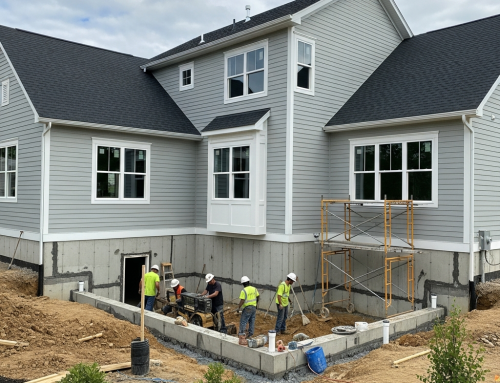
Plano Foundation Repair: What to Expect During Repairs
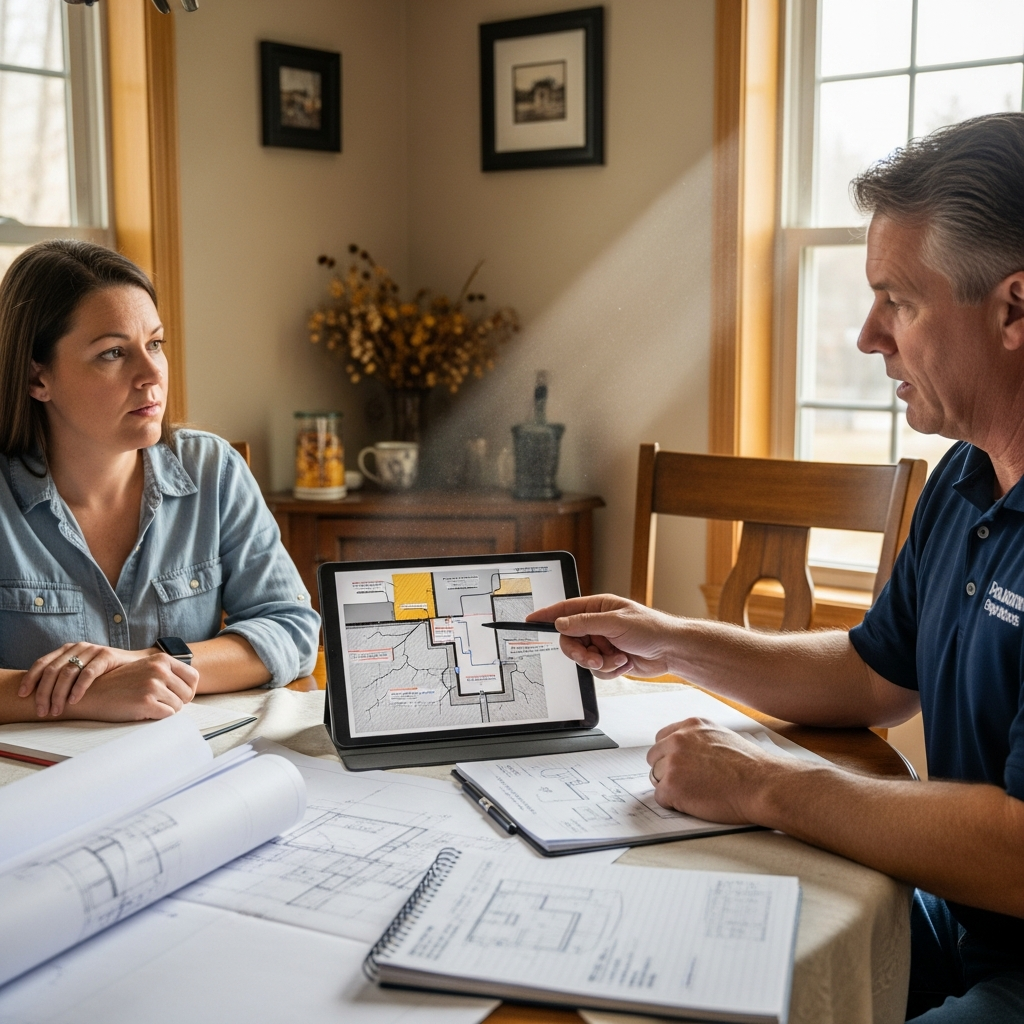
You’re standing in your kitchen, coffee in hand, when you notice it – that thin crack running along the wall where it meets the ceiling. *When did that get there?* Last week it was just a hairline, barely visible. Now it’s… well, it’s definitely not hairline anymore.
Sound familiar? If you’re a homeowner in Plano, chances are you’ve had this exact moment. Maybe it was a door that suddenly won’t close properly, or you’ve noticed your floors feeling just a *little* uneven when you walk across the living room. That sinking feeling in your stomach? Yeah, we get it. Foundation problems feel overwhelming – like your whole world (literally, your home) might be shifting beneath your feet.
Here’s the thing though… foundation issues in North Texas aren’t exactly rare. The clay soil here expands and contracts like a moody teenager – happy and swollen after a good rain, then shrinking and pulling away during those brutal summer months. Your foundation is basically riding this roller coaster year after year, and honestly? It’s doing pretty well considering the circumstances.
But when repair time comes – and let’s be real, it probably will at some point – most homeowners feel completely lost. What actually happens during foundation repair? How long does it take? Will your house look like a construction zone for weeks? Can you still live there while work is happening?
These are the 2 AM questions that keep you scrolling through forum posts and watching YouTube videos, trying to figure out if that contractor’s estimate sounds reasonable or if you’re about to get taken for a ride. We’ve all been there… that overwhelming feeling of not knowing enough to make good decisions about something this important.
The truth is, foundation repair doesn’t have to be this mysterious, scary process. Sure, it’s a big deal – we’re not going to sugarcoat that. But once you understand what’s actually involved, it becomes way more manageable. Kind of like learning to drive – terrifying until you know what all those pedals do, then it’s just… driving.
Most of the horror stories you’ve heard? They usually come from people who didn’t know what to expect going in. They hired the first company that showed up, didn’t ask the right questions, and ended up surprised by everything from timeline to cleanup. But that doesn’t have to be you.
What if instead of going into this blind, you knew exactly what each phase would look like? What if you understood why certain steps take longer than others, or why your contractor needs to do things in a specific order? Imagine actually feeling prepared for those daily check-ins, knowing what progress should look like, and being able to spot potential issues before they become problems.
That’s what we’re going to walk through together. Not the technical manual version – nobody needs to know the engineering specs for concrete piers unless that’s your thing – but the real-world, practical stuff. Like how to prep your house beforehand (spoiler: it’s easier than you think), what your daily routine will look like while work is happening, and yes… how to tell if your contractor is actually doing good work or just making it look that way.
We’ll talk about the timeline too, because everyone wants to know how long they’ll be dealing with trucks in the driveway and workers showing up at 7 AM. And since we know you’re wondering… we’ll cover what this actually costs and how to avoid those surprise charges that seem to pop up right when you’re already stressed.
Look, foundation repair isn’t fun. Nobody dreams of spending their weekend researching soil stabilization methods. But it doesn’t have to be the nightmare you’re imagining either. By the time we’re done here, you’ll know enough to feel confident – whether you’re getting quotes, choosing a contractor, or just trying to understand what’s happening in your own backyard.
Ready to turn that overwhelming unknown into something you can actually handle? Let’s figure this out together.
Why Foundations Shift in the First Place
You know how your favorite jeans shrink and stretch depending on the weather? Well, the clay soil under Plano homes does something eerily similar – except it’s supporting your entire house while it’s doing its dramatic expansion and contraction routine.
The expansive clay soil here is like a giant sponge that’s perpetually having mood swings. When it rains (which, let’s be honest, can be feast or famine in Texas), that clay soaks up water and swells. During our inevitable dry spells, it shrinks back down. Your foundation is just along for this wild ride, and after years of this up-and-down movement… well, something’s gotta give.
It’s actually pretty fascinating – and frustrating – how this works. The soil doesn’t move evenly under your house. Maybe one corner gets more water from a leaky sprinkler system, or another section stays drier because of how your home shades the ground. This uneven movement is what creates those telltale cracks, sticking doors, and windows that suddenly won’t close properly.
The Signs Your Foundation is Calling for Help
Here’s the thing about foundation problems – they’re usually polite at first. They start with subtle hints that homeowners often dismiss or blame on other things.
Those hairline cracks in your walls? That’s your foundation whispering. The door that used to close perfectly but now requires a good shove? Still whispering, just a bit louder. But when you start seeing gaps between your walls and ceiling, or cracks wide enough to stick a coin into… now your foundation is basically shouting at you.
The confusing part is that not all cracks are foundation-related. Sometimes houses just settle naturally (which sounds ominous but is actually normal), or you might have issues with your drywall installation. This is why those free foundation evaluations exist – because even contractors with decades of experience sometimes need to investigate to determine what’s really going on.
Understanding Foundation Repair Methods
When it comes to actually fixing foundation issues, there are several approaches – and honestly, the engineering behind some of these methods is pretty clever.
Pressed piers are probably the most common solution around here. Think of them as really, really strong stilts that get pushed deep into the ground until they hit stable soil or bedrock. These steel piers essentially bypass all that problematic clay and transfer your home’s weight to something more reliable. It’s like giving your house a new set of legs that reach down to solid ground.
Helical piers work on a different principle – they’re screwed into the ground like massive corkscrews. The advantage here is that they can often be installed with less disruption to your landscaping, which… trust me, after dealing with foundation repairs, you’ll appreciate anything that saves your flower beds.
Then there’s slab jacking (also called mudjacking), which is basically what it sounds like – pumping material under your concrete slab to lift it back into place. It’s less invasive than pier systems, but it only works in certain situations. Your foundation guy will know which method makes sense for your specific problem.
The Reality Check Nobody Talks About
Here’s something that might surprise you – foundation repair isn’t always a “fix it once and forget it” situation. I mean, it should last for decades, but that same clay soil that caused your problems in the first place? It’s still there, still doing its thing.
This is why proper drainage becomes so important after repairs. You’ll probably hear a lot about managing water around your foundation – keeping gutters clean, making sure water flows away from your house, maybe even adjusting your sprinkler system. It feels a bit like ongoing maintenance rather than a one-and-done repair, which can be… well, it’s not what most people expect.
The good news is that modern foundation repair methods are incredibly robust. These aren’t the quick fixes of decades past. The engineering has come a long way, and reputable contractors typically offer substantial warranties because they’re confident in their work.
But understanding that foundation repair is part science, part art, and requires ongoing attention to moisture management? That sets realistic expectations and helps you make better decisions throughout the process.
Pack Like You’re Going on a Very Weird Vacation
You’re not actually leaving (unless you want to), but foundation repair turns your home into a temporary construction zone. Pack essentials in easily accessible boxes – think medications, phone chargers, important documents, and that one coffee mug you absolutely can’t function without.
Trust me on this: put your valuables somewhere safe. Not because contractors aren’t trustworthy, but because dust gets into everything, and vibrations from heavy equipment can knock things off shelves. I’ve seen family photos tumble from mantels when pier drivers start working.
Move your cars out of the driveway and – this is important – take photos of your yard beforehand. Heavy equipment needs access, and sometimes that means driving across your prized lawn. Having before photos helps if you need to discuss restoration later.
The First Few Days Will Test Your Patience
Here’s what nobody tells you: the noise starts early. Really early. Most crews begin around 7 AM because Texas heat is brutal, and they need those cooler morning hours for the heavy lifting.
The excavation phase sounds like… well, like someone’s digging holes around your house with heavy machinery. Because that’s exactly what’s happening. Your neighbors might give you looks. Wave and smile – you’ll be the hero when their foundations need work and they remember how well you handled yours.
Expect your internet to be spotty. All that digging can nick cables, even when contractors call for utility markings. Have a backup plan for working from home, or better yet – use this as an excuse for that coffee shop you’ve been wanting to try.
Managing the Dust Situation (It’s Real)
Foundation repair creates dust. Lots of it. The kind that settles on everything and somehow gets into sealed containers. Before work begins, cover electronics with plastic sheets and move air purifiers to central locations.
Here’s a pro tip: change your HVAC filters right before work starts, then again when it’s finished. The system works overtime during construction, and a clogged filter makes everything worse. Also, keep windows closed on the work side of the house, even if it means cranking the AC.
Stock up on microfiber cloths and that spray cleaner you actually like. You’ll be doing more dusting than usual for a few weeks after completion.
Communication Becomes Your Best Friend
Good contractors explain what’s happening, but here’s what you should ask that most homeowners don’t: “What’s the timeline if you hit unexpected issues?” Because they might. Clay soil can hide surprises, and sometimes the damage goes deeper than initial assessments suggested.
Ask for daily updates – not because you don’t trust them, but because understanding the process helps you plan. If they’re ahead of schedule, maybe you can reschedule that dinner party. Behind schedule? You’ll know to extend your housecleaning service.
Get the foreman’s direct number. Not the office coordinator, not the sales rep – the actual person running your job site. When you have questions at 2 PM on a Tuesday, you want someone who knows exactly what’s happening under your house.
The Weird Stuff Nobody Mentions
Your doors might stick differently during repairs. As they lift and stabilize sections, the house shifts slightly – usually in good ways, but sometimes that bedroom door that always closed perfectly now needs a little push.
Plumbing can act strange temporarily. Don’t panic if water pressure changes or toilets make different sounds. The shifting usually resolves these quirks, but mention anything concerning to your contractor.
You might hear new sounds at night. Houses “settle” as repairs progress, creating creaks and pops you’ve never noticed. Most of this is completely normal – your home is literally finding its new, more stable position.
Setting Realistic Expectations for “Done”
The work finishes, equipment disappears, and your foundation is solid… but your yard looks like a small excavation site. Most contracts include basic cleanup, but “basic” varies wildly between companies.
Clarify upfront: who replaces damaged sprinkler heads? What about reseeding disturbed areas? Are they filling equipment ruts in your lawn, or just smoothing them over?
The foundation work itself typically comes with substantial warranties, but the landscaping restoration? That’s often separate, and knowing this beforehand prevents frustration later.
Plan for a few weeks of settling – literally and figuratively. Your house needs time to adjust to its improved foundation, and you need time to get used to doors that actually close properly and floors that don’t have that one squeaky spot anymore.
When Everything Feels Like It’s Falling Apart (Literally)
Let’s be honest – foundation repair isn’t just about your house. It’s about watching contractors dig up your prized rose bushes while you’re already stressed about whether your biggest investment is structurally sound. I’ve seen homeowners break down over far less, and that’s completely normal.
The dust is probably the thing nobody warns you about. Sure, they’ll mention “some disruption,” but they don’t tell you that fine concrete dust has a way of creeping into everything – your coffee maker, your kid’s backpack, even that sealed container of crackers you were saving. Start covering or relocating anything you actually care about before work begins, not after you discover your grandmother’s china cabinet looks like it survived a volcanic eruption.
Solution: Create a staging area in an unaffected part of your home. Pack essentials like you’re going on a weird, dusty vacation where you can’t leave the house. And invest in a really good air purifier – your lungs will thank you.
The Great Scheduling Shuffle
Here’s what happens: your contractor says they’ll be there Monday at 8 AM. Monday comes… Tuesday comes… Wednesday, you get a text that they’ll “definitely” be there Thursday. Meanwhile, you’ve taken time off work, arranged for the dog-sitter, and your mother-in-law is camping in your guest room because her visit was timed around the repair schedule.
Foundation work depends on weather, equipment availability, and about seventeen other variables that seem designed to test your patience. Rain delays are real. Equipment breaks down – sometimes spectacularly. The crew working on the house two blocks over discovered a gas line that wasn’t supposed to be there, and now your team is helping with that emergency.
Solution: Build buffer time into everything. Don’t schedule that dinner party for the week repairs are “supposed” to finish. Keep at least three days of flexibility in your calendar, and have backup plans for pets, kids, and elderly relatives who might need to stay elsewhere longer than expected.
The Mysterious Mid-Project Change Orders
About halfway through, your contractor approaches with that look – you know the one. They’ve found something. Maybe it’s more extensive damage than the initial inspection revealed. Perhaps they’ve uncovered evidence of previous repair work that wasn’t done correctly (this happens more often than you’d think in Plano, especially in older neighborhoods).
Suddenly, your $8,000 repair estimate has grown by another $3,500, and you’re standing there in your dusty kitchen trying to make sense of engineering terms while your neighbor’s dog barks incessantly because of all the machinery noise.
Solution: Set aside 20-30% of your budget for surprises – not because contractors are trying to rip you off, but because foundations hide secrets. Ask for detailed explanations and photos of any additional issues. A reputable contractor will show you exactly what they’ve found and explain why it needs attention now versus later.
Living in a Construction Zone (With Kids and Pets)
Your dog has decided the jackhammer is either his mortal enemy or his new best friend – there’s no middle ground. Your toddler keeps asking why there’s a “big hole” where the patio used to be. Your teenager acts like the temporary relocation of the WiFi router is a personal attack on their existence.
The noise starts early and ends… well, it doesn’t really end until the job’s done. Some days are quieter than others, but there’s always something – beeping equipment, shouted instructions, the rhythmic thud of soil being compacted.
Solution: Establish “quiet zones” in your house where family members can retreat. Noise-canceling headphones become worth their weight in gold. Consider sending pets to daycare or a friend’s house on the loudest days. For kids, make it an adventure – let them observe from a safe distance and learn about construction (most crews are happy to explain what they’re doing to curious young minds).
The Aftermath Nobody Mentions
The repair work is done, but your yard looks like a small tornado touched down. There are trenches to fill, landscaping to restore, and somehow your sprinkler system isn’t working quite right anymore. The “restoration” part of foundation repair often feels like starting another project entirely.
Solution: Discuss landscape restoration expectations upfront. Get it in writing. Take photos of your yard before work begins – you’ll be amazed what you forget about the “before” state once everything’s torn up.
Setting Realistic Timelines – No Sugar-Coating Here
Look, I’m going to be straight with you about timing because nobody likes unpleasant surprises when their house is torn apart. Most foundation repairs in Plano take anywhere from 3-10 days, but – and this is important – that doesn’t mean three neat, tidy days where everything goes according to plan.
Weather’s your biggest wildcard. Those sudden Texas thunderstorms? They’ll shut down work faster than you can say “pier and beam.” Clay soil needs to be workable, and if it’s been raining for two days straight, you’re looking at delays. I’ve seen simple slab repairs stretch into two weeks because Mother Nature decided to throw a fit.
Minor repairs like crack injection or small pier installations might wrap up in 2-3 days. But if you’re dealing with extensive underpinning or multiple foundation issues… well, that’s when we start talking weeks, not days. Your contractor should walk through realistic scenarios with you upfront, including potential hiccups.
The Mess Factor (And How to Stay Sane)
Here’s what nobody tells you: foundation repair is messy. Really messy.
Your yard’s going to look like a construction zone – heavy equipment leaves ruts, there’ll be dirt piles, and don’t even get me started on the dust. If you’ve got prized flowerbeds near the house, take pictures now because they might not survive the process. Most reputable contractors will do their best to minimize damage, but sometimes collateral casualties happen.
Inside? You’ll hear everything. The drilling, the hydraulic equipment, the occasional colorful language when something doesn’t go as planned. If you work from home, plan accordingly. Maybe this is the perfect time for that coffee shop office experiment you’ve been considering.
What “Normal” Actually Looks Like
Normal means some days the crew shows up at 7 AM sharp, other days they’re running late because of equipment issues on another job. Normal means discovering additional problems once they start digging – it’s like opening up a wall during renovation and finding… well, things you didn’t expect.
You might notice new small cracks appearing during repairs. Don’t panic – this actually happens sometimes as the foundation settles into its new, more stable position. Think of it like adjusting to new shoes; there’s usually a brief breaking-in period.
Communication gaps are normal too. Your project manager might not call you back immediately (they’re probably dealing with three other foundation emergencies), but they should keep you reasonably informed about progress and any surprises that pop up.
Preparing for the Unexpected
Smart homeowners prepare for curveballs. Maybe they discover your soil conditions are worse than initial tests suggested. Perhaps they find evidence of previous repair attempts that weren’t done properly – yeah, that’s a thing that happens more often than you’d think.
Budget-wise? Most contractors will give you a worst-case scenario estimate upfront, but it’s still wise to have a 10-15% cushion for those “while we’re at it” moments. Sometimes it makes sense to address related issues while the equipment’s already there and the yard’s already torn up.
Your Role in the Process
You’re not just an observer here. Good contractors appreciate homeowners who check in regularly (but don’t hover), ask questions when something doesn’t look right, and speak up about concerns early rather than waiting until the final walkthrough.
Document everything with photos – the before shots, progress pics, and final results. This isn’t about mistrust; it’s about having a clear record of what was done, which can be incredibly valuable down the road.
Planning Your Return to Normal
Once the work wraps up, expect a transition period. Your yard needs time to recover, and you might notice settling sounds or minor cosmetic issues as everything adjusts. Most contractors include a warranty period where they’ll address legitimate concerns that pop up in the first year or two.
The honest truth? Foundation repair disrupts your life temporarily, but putting it off usually makes everything worse – and more expensive. Most of our clients tell us the relief of having it done properly outweighs the temporary inconvenience. Just… maybe plan that dinner party for next month instead of next week.
You’ve Got This – And You’re Not Alone
Here’s the thing about foundation work – it feels overwhelming until it doesn’t. One day you’re staring at those cracks thinking your house might literally fall apart, and then… suddenly you’re watching skilled professionals methodically fix what seemed impossible. It’s kind of amazing how that shift happens.
The dust will settle (literally and figuratively). The noise will stop. Your driveway will get patched back up, and honestly? You’ll probably forget which side of the house they even worked on. What you won’t forget is that feeling of relief when you realize your biggest homeowner nightmare turned out to be… well, just another thing that got handled.
I’ve watched countless Plano families go through this process, and there’s this moment – usually about a week after everything’s wrapped up – when they’ll walk around their house and think, “Huh. That wasn’t so bad.” The anticipation is almost always worse than the reality.
Sure, foundation repairs aren’t exactly fun. Nobody’s throwing a party because their slab needs leveling. But you know what’s really not fun? Lying awake at 2 AM wondering if that new crack means your foundation is failing, or if waiting another month will turn a manageable repair into a major reconstruction project.
Your house has been good to you – it’s kept you safe, dry, and comfortable. Now it needs a little help, and that’s completely normal. Plano’s clay soil doesn’t make it easy for any of us. Between the drought cycles, the shifting ground, and the way our foundations were built decades ago… honestly, it’s kind of impressive they hold up as well as they do.
The contractors you’ll work with? They’ve seen it all. That crack that’s keeping you up at night? They’ve fixed a thousand just like it. What feels catastrophic to you is Tuesday afternoon to them – and I mean that in the best possible way. They know exactly what they’re doing, they’ve got the right equipment, and they understand this soil better than anyone.
Ready to Move Forward?
Look, I get it if you’re still feeling hesitant. Foundation work is a big decision – financially and emotionally. But here’s what I’ve learned after years of watching homeowners navigate these repairs: the families who move forward thoughtfully (but decisively) always feel better afterward. Not just because the problem is fixed, but because they took control instead of letting worry eat away at them.
You don’t have to figure this out alone. A good foundation contractor won’t just give you an estimate – they’ll explain what’s actually happening under your house, why it’s happening, and exactly how they plan to fix it. They should answer your questions patiently (even the ones you think might sound silly) and help you understand your options without pressure.
If you’re ready to get some answers and maybe finally sleep soundly again, reach out for a consultation. The right team will treat your home – and your concerns – with the respect they deserve. You’ve already taken the hardest step by educating yourself about the process. Now let’s get your foundation back to doing its job so you can get back to living your life.
Your house will thank you. And honestly? So will your stress levels.