Fort Worth Slab Foundation Repair: What Homeowners Should Know
You’re standing in your kitchen on a Tuesday morning, coffee in hand, when you notice something that makes your stomach drop. That hairline crack above the doorframe – the one you swore wasn’t there last week – has definitely gotten longer. And wait… is the door frame actually crooked now?
Welcome to homeownership in Fort Worth, where the clay soil has a personality all its own.
If you’ve lived here for more than a hot minute, you’ve probably heard the horror stories. Your neighbor’s foundation shifted so much their front door wouldn’t close. Your coworker spent fifteen grand on foundation repairs last spring. Maybe you’ve even felt that little flutter of panic when you spot a new crack in your drywall, wondering if it’s just settling or something much, much worse.
Here’s the thing about Fort Worth foundations – they’re fighting a constant battle with our notorious clay soil. When it rains (and boy, when it rains here, it really rains), that clay expands like a sponge. Come summer drought? It shrinks faster than your favorite t-shirt in a hot dryer. Your poor slab foundation is just along for the ride, shifting and settling with each dramatic weather swing.
And let’s be honest… foundation problems feel overwhelming because they hit you right in the wallet and the worry center of your brain simultaneously. You’re looking at potentially massive repair bills, but ignoring the problem isn’t exactly an option either. Those cracks don’t just stop growing on their own, and that slightly sloping floor in the hallway? It’s not going to level itself out while you sleep.
The frustrating part is that most of us know absolutely nothing about foundations when we buy our homes. We obsess over kitchen countertops and paint colors, but the concrete slab holding up our entire lives? That’s just… there. Until it’s not doing its job properly, and suddenly you’re googling “foundation repair Fort Worth” at 2 AM, spiraling down a rabbit hole of worst-case scenarios and conflicting advice.
But here’s what I’ve learned after talking to countless homeowners dealing with foundation issues – knowledge really is power when it comes to this stuff. Understanding what you’re looking at, what questions to ask, and what your options actually are… that transforms you from a panicked homeowner into someone who can make informed decisions about their biggest investment.
You don’t need to become a foundation expert overnight, but you do need to know enough to protect yourself. Because here’s the uncomfortable truth: not everyone in the foundation repair business has your best interests at heart. Some companies will try to sell you repairs you don’t need. Others might lowball an estimate only to hit you with massive change orders later. And then there are the fly-by-night operations that’ll take your money and disappear faster than morning dew in a Texas summer.
That’s exactly why we’re walking through everything you need to know about slab foundation repair in Fort Worth. We’ll talk about how to spot the early warning signs (spoiler alert: it’s not just obvious cracks), when you should start worrying versus when you can probably wait, and how to find a contractor who won’t treat you like a walking dollar sign.
You’ll learn about the different repair methods – because yes, there are options beyond “rip it all out and start over” – and get a realistic sense of what this might cost you. We’ll cover the questions you should be asking potential contractors (and the red flags that should send you running), plus how to navigate insurance claims if you’re lucky enough to have coverage.
Most importantly, you’ll understand that foundation problems, while serious, aren’t the end of the world. With the right information and the right team, you can get your home back on solid ground – literally.
So take a deep breath, top off that coffee, and let’s figure this out together. Your future self (and your foundation) will thank you for taking the time to understand what you’re dealing with before you pick up that first phone to call for estimates.
Why Slab Foundations Rule Fort Worth (And Why They’re Tricky)
Here’s the thing about Fort Worth – we’re basically built on clay. And clay soil is like that moody friend who’s perfectly fine one day, then completely unpredictable the next. When it gets wet, it expands. When it dries out, it shrinks. Your house’s foundation? Well, it’s just along for the ride.
That’s why most homes here sit on slab foundations – thick concrete slabs poured directly on the ground. Think of it like a giant concrete raft floating on an ocean of clay. Most of the time, this works beautifully. The slab spreads your home’s weight evenly, and it’s relatively affordable to install. But when that clay starts doing its expansion-and-contraction dance… that’s when things get interesting.
The Clay Soil Reality Check
You know how a sponge works? Texas clay is basically a massive underground sponge system, except it’s not nearly as cooperative. During our wet seasons (yes, we do have them, despite what summer feels like), the clay absorbs water and swells. During droughts – which, let’s be honest, happen a lot – it shrinks and cracks.
This creates what engineers call “differential movement.” Basically, different parts of your foundation are moving at different rates. One corner might be rising while another section settles. It’s like trying to balance a book on a waterbed – possible, but not exactly stable.
And here’s something that might surprise you: the trees you love so much? They’re not always helping. Large trees can actually make foundation problems worse by pulling moisture from the soil during dry spells, creating uneven drying patterns around your home.
How Slab Foundations Actually Work (The Simple Version)
Picture your foundation as a giant concrete cookie sitting on the ground. That cookie needs to stay flat and level to do its job properly. The concrete is typically 4-6 inches thick (sometimes more), and it’s reinforced with steel rebar to give it strength.
But here’s where it gets a bit counterintuitive – that slab isn’t actually sitting on solid ground. Underneath, there’s usually a layer of gravel and sand for drainage, plus moisture barriers to keep water from wicking up into the concrete. At least, that’s how it’s supposed to work.
The edges of the slab – what we call the “beam” – are typically thicker and extend deeper into the ground. Think of it like the crust on that concrete cookie. This beam carries most of your home’s structural weight and helps anchor everything in place.
When Things Start Going Wrong
Foundation problems don’t usually announce themselves with a dramatic crash (thankfully). Instead, they’re sneaky. You might notice a door that suddenly won’t close properly, or cracks appearing in your drywall. Maybe your floors feel a little… off somehow.
The tricky part? Not every crack means disaster. Houses settle naturally as they age – it’s normal, like getting wrinkles. The key is knowing when settling has crossed the line into actual foundation movement.
Here’s what typically happens: as the clay soil moves, different sections of your foundation start moving at different rates. One area might sink while another stays put. Or part of your foundation might actually rise (yes, that’s a thing). Over time, this creates stress throughout your home’s structure.
The Water Factor Nobody Talks About
Water is both the hero and villain in this story. Too little water, and the clay shrinks away from your foundation, removing crucial support. Too much water, and the clay swells, potentially pushing against your foundation or creating soft spots where it can sink.
But here’s the really confusing part – proper drainage around your foundation is absolutely critical, but you also need consistent moisture levels in the soil. It’s like trying to maintain the perfect temperature in your house while someone keeps opening windows randomly.
This is why you’ll see foundation experts talking about moisture management almost as much as they talk about the actual repairs. Because honestly? Fixing the foundation without addressing the water issues is like putting a Band-Aid on a leaky pipe. It might work temporarily, but you’re probably going to be dealing with the same problem again down the road.
When to Call the Pros vs. DIY Fixes
Look, I get it – foundation repair sounds expensive, and your first instinct might be to grab some concrete crack filler from Home Depot and call it a day. But here’s the thing… some foundation issues are like that weird chest pain that turns out to be heartburn, while others are the kind that need immediate attention.
You can handle minor hairline cracks (we’re talking less than 1/8 inch wide) with some quality concrete caulk – I’ve seen homeowners successfully seal these for years. But if you can stick a nickel in the crack? Time to make some calls. Same goes if you’re seeing multiple cracks forming a pattern, or if doors and windows suddenly won’t close properly. Your house is trying to tell you something important.
The Real Cost Breakdown (And How to Budget Smart)
Foundation repair isn’t cheap – let’s not pretend otherwise. In Fort Worth, you’re typically looking at anywhere from $3,500 for minor pier adjustments to $15,000+ for extensive underpinning work. I know, I know… that’s a lot of money.
But here’s what I wish more homeowners knew: most foundation companies offer financing options, and many will work with you on payment plans. Don’t let sticker shock keep you from getting a proper evaluation. Also – and this is important – get at least three quotes. I’ve seen estimates vary by thousands of dollars for the same job, and it’s not always because one company is trying to rip you off. Different approaches, different equipment, different overhead costs.
Pro tip: Ask about seasonal pricing. Some companies offer better rates during slower periods (usually late fall through early spring in Texas).
Choosing the Right Foundation Repair Company
This is where things get tricky, because Fort Worth has dozens of foundation companies, and honestly? Some are fantastic, others… well, let’s just say you want to do your homework.
Start with the basics – license, insurance, Better Business Bureau rating. But dig deeper. Ask for recent local references, not just the glowing testimonials on their website. A reputable company won’t hesitate to give you phone numbers of recent customers in your area.
Here’s something most people don’t think to ask: what’s their warranty policy? Good companies stand behind their work for years, not months. And get this in writing – verbal promises don’t fix settling foundations.
Watch out for door-to-door solicitors, especially after storms. Legitimate foundation companies don’t need to go hunting for business in Fort Worth’s neighborhoods. If someone knocks on your door claiming they “just finished a job down the street” and noticed issues with your foundation… be very, very careful.
Preventive Maintenance That Actually Works
Once you’ve dealt with any immediate foundation issues, let’s talk about keeping them from coming back. This isn’t about becoming obsessive – it’s about smart, simple habits that protect your investment.
Water management is everything in North Texas. Your gutters should direct water at least 10 feet away from your foundation. I can’t tell you how many expensive foundation repairs could have been prevented with $200 worth of gutter extensions and proper grading.
Keep that soil moisture consistent around your foundation. During our brutal summers, consider a soaker hose system – run it about 18 inches from your foundation line for 30-45 minutes a few times a week. Your clay soil will thank you, and more importantly, it won’t shrink away from your foundation like a cheap t-shirt.
Working with Insurance (The Reality Check)
Let’s be brutally honest here – standard homeowner’s insurance typically doesn’t cover foundation problems. I know, it seems crazy given how common they are in our area, but foundation issues are usually considered “maintenance” problems rather than covered perils.
However – and this is important – if your foundation damage resulted from a covered event like a plumbing leak or storm damage, you might have coverage. Document everything. Take photos. Keep receipts. Sometimes the difference between coverage and denial comes down to how well you can demonstrate the cause of the damage.
Some companies offer foundation coverage as an add-on or separate policy. It’s worth exploring, especially if you’re in an area prone to soil movement.
The bottom line? Foundation problems in Fort Worth aren’t a matter of if, but when. Stay vigilant, act quickly when issues arise, and remember – a small investment in prevention beats a massive repair bill every single time.
When Your Foundation Inspector Delivers Bad News
You’re expecting a quick look-around and a reassuring pat on the shoulder. Instead, you get a detailed report that looks like it was written for engineers – complete with technical jargon that might as well be ancient Greek. The inspector points to hairline cracks you never noticed and throws around terms like “differential settlement” and “pier and beam conversion.”
Here’s the thing: most foundation reports aren’t written for homeowners. They’re designed to cover the contractor legally, not help you understand what’s actually happening under your house. Ask your inspector to walk you through the findings in plain English. Which cracks are cosmetic? Which ones need immediate attention? What’s the difference between monitoring a problem and fixing it right now?
Don’t be embarrassed to ask for clarification – or even a second opinion. Foundation work is expensive, and you deserve to understand exactly what you’re paying for.
The Sticker Shock Reality Check
Foundation repair costs can feel like a punch to the gut. One day you’re worried about a small crack, the next day someone’s telling you that fixing it properly will cost more than your car.
The brutal truth? Quality foundation work isn’t cheap, and cheap foundation work usually isn’t quality. In Fort Worth, where our clay soil loves to shift with every weather change, cutting corners often means you’ll be dealing with the same problems again in a few years.
But here’s what many contractors won’t tell you upfront: you have options. Not every foundation issue requires the nuclear option of full underpinning. Sometimes selective repairs – addressing just the problem areas – can buy you years of stability at a fraction of the cost.
Get multiple quotes, but don’t just compare bottom-line numbers. Compare the scope of work, the warranty terms, and the contractor’s track record. That cheapest bid might not include crucial steps like proper drainage correction… which means you’ll be calling someone else in two years when water damage creates new problems.
The Permit and HOA Maze
Nobody warns you about this part. You’ve found your contractor, you’re ready to start, and then – surprise! – you need permits. And if you live in one of Fort Worth’s many HOA neighborhoods, you might need their approval too.
Getting permits isn’t just bureaucratic busywork (though it certainly feels like it sometimes). The city wants to ensure the work meets current building codes, which have probably changed since your house was built. This protects you from shoddy work and maintains your home’s resale value.
Start the permit process early – it can take weeks. And if you’re in an HOA, submit your application with detailed plans and photos. Some HOAs require specific materials or finishes to maintain neighborhood aesthetics. Yes, it’s annoying to wait for approval to fix your own foundation, but it beats having to redo work that doesn’t meet community standards.
Living Through Foundation Repairs
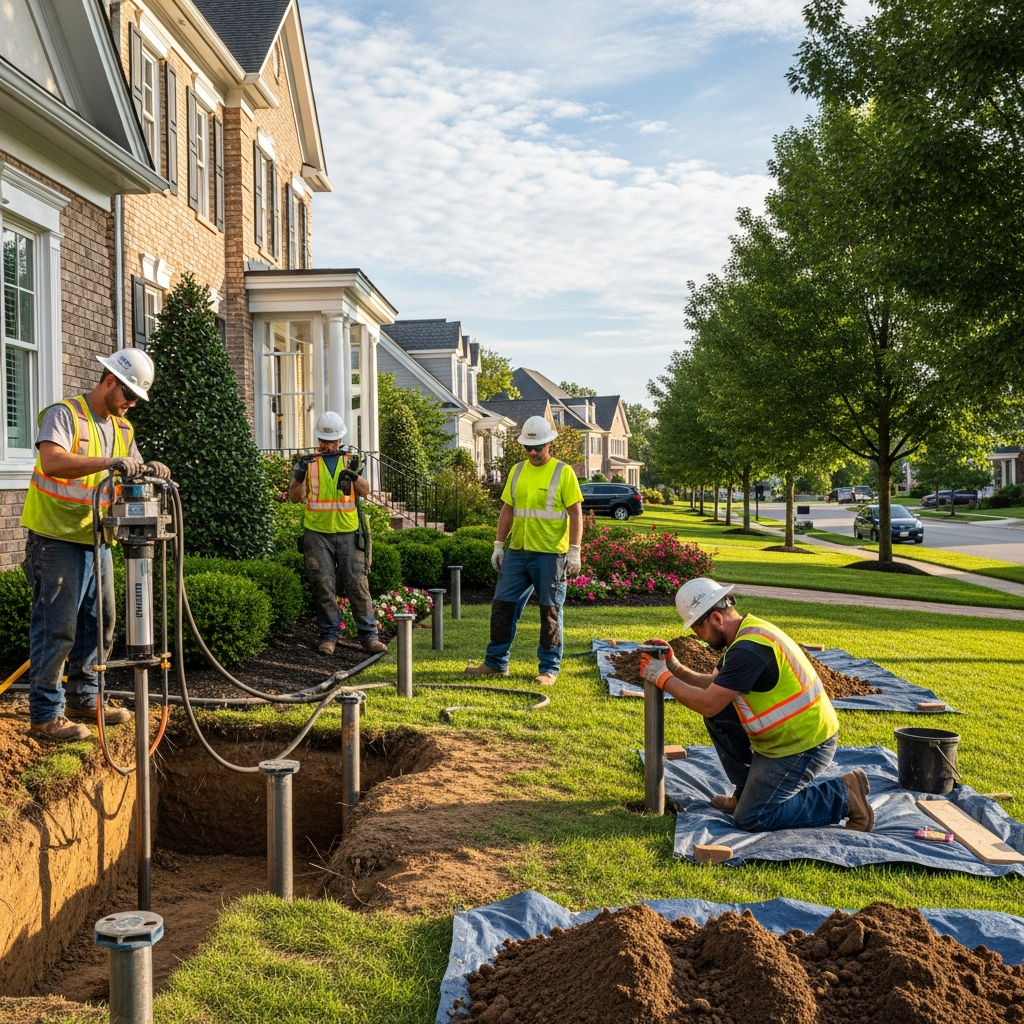
Here’s something nobody really prepares you for: foundation repair is messy, disruptive, and longer than you expect. Heavy equipment will be in your yard. There might be trenching. Your perfectly landscaped flower beds? They’re probably going to take a hit.
Plan ahead like you would for any major home renovation. Move fragile items away from walls that will experience vibration. Expect some interior cracks in drywall – it’s normal when your foundation shifts back into proper position. Take photos of your home’s interior before work begins, so you can document any new damage for insurance purposes.
And honestly? Consider staying elsewhere for a few days if the work is extensive. The noise, dust, and general chaos can be overwhelming, especially if you work from home.
When Neighbors Start Asking Questions
Foundation work attracts attention – the kind you probably don’t want. Suddenly everyone on your block becomes a foundation expert with opinions about your contractor choice and horror stories about their cousin’s repair nightmare.
Be prepared for the inevitable questions about cost (you don’t have to answer), timeline (it always takes longer than planned), and whether they should be worried about their own foundations. The truth is, foundation issues can be contagious in neighborhoods with similar soil conditions and construction methods, but that doesn’t mean your repair work will cause problems for others.
Stay focused on your situation and trust the professionals you’ve hired. Well-meaning neighbors rarely have the full picture… and their “helpful” suggestions can create unnecessary anxiety during an already stressful process.
What to Expect During the Repair Process
Let’s be honest – foundation repair isn’t exactly a quick weekend project. Most homeowners are surprised by how long things actually take, so I want to set realistic expectations right from the start.
The typical timeline runs anywhere from 2-4 weeks, but here’s the thing… that’s not 2-4 weeks of constant hammering and dust. It’s more like a few days of intense work spread across that timeframe. Think of it like renovating your kitchen – there’s prep work, waiting for permits, scheduling inspectors, and dealing with weather delays (especially here in Texas where afternoon storms seem to have their own agenda).
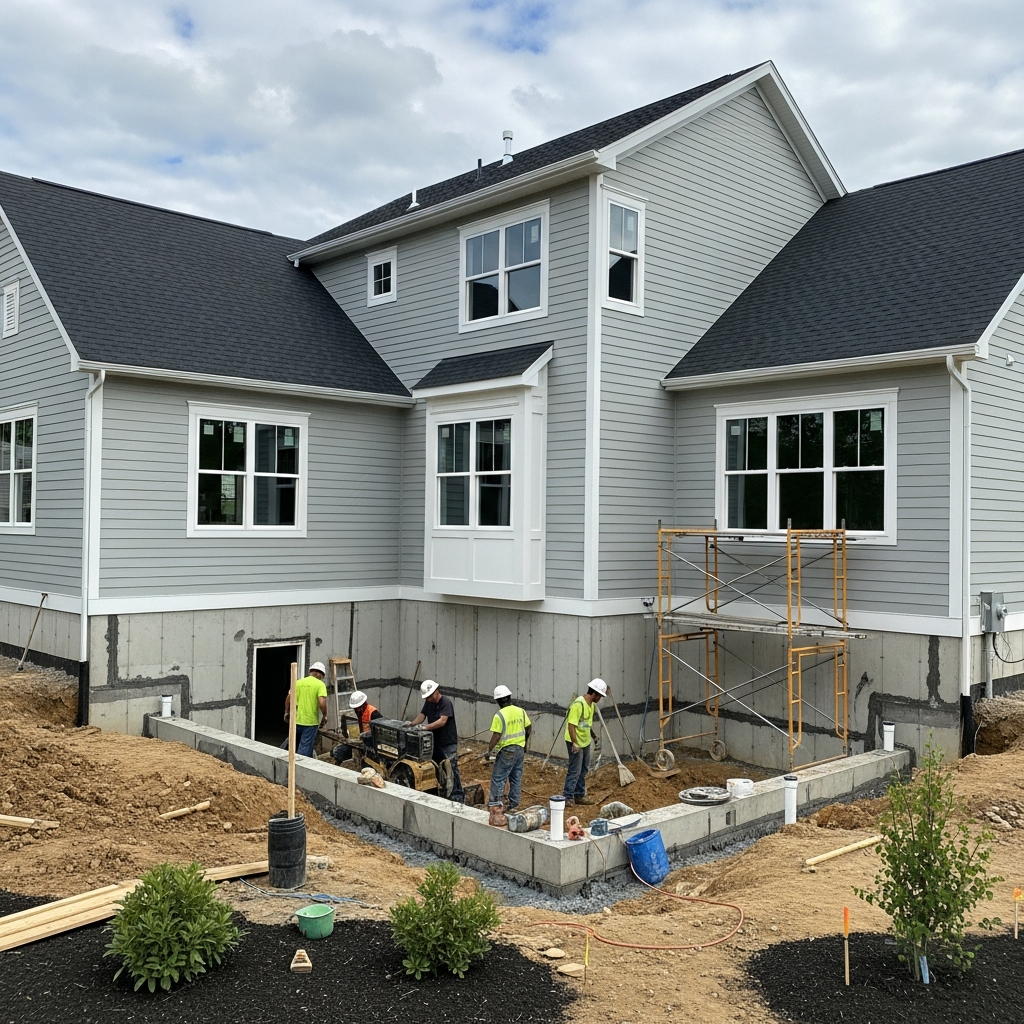
Your contractor will likely start with excavation around the affected areas. This part’s pretty disruptive – they’re essentially digging trenches around portions of your house. Expect some noise, muddy boots, and maybe a temporary loss of landscaping. Most crews work during daylight hours, so you won’t be dealing with jackhammers at dawn, but your daily routine will definitely feel the impact.
The actual foundation work – installing piers, adjusting levels, reinforcing structures – happens in stages. Your contractor might work on one section, let concrete cure, then move to the next area. It’s not inefficiency; it’s necessary. Foundation work can’t be rushed… and honestly, you wouldn’t want it to be.
Normal Disruptions (And What’s Not Normal)
Here’s what you should absolutely expect: some temporary cracks in your drywall, doors that stick a bit differently, and minor cosmetic issues as your house settles into its new position. That’s completely normal – your home is literally being shifted back into proper alignment.
You might notice nail pops in walls, small gaps where trim meets the wall, or windows that operate slightly differently. These are signs the repair is working, not signs something’s gone wrong. Think of your house like a really complex jigsaw puzzle that’s been slightly warped – when you straighten the foundation, everything else has to readjust too.
What’s not normal: major new cracks appearing weeks after work is complete, doors that won’t close at all, or obvious settling that continues for months. Your contractor should walk you through what to watch for and what requires a callback.
The Inspection and Permit Dance
Most Fort Worth foundation repairs require permits, which means inspections. This adds time to your project, but it’s actually good news – it means there’s official oversight ensuring the work meets city standards.
You’ll typically have an initial inspection before work begins, possibly a mid-work inspection depending on the scope, and a final inspection once everything’s complete. Inspectors don’t always show up exactly when scheduled (they’re human too), so build some flexibility into your expectations.
Some homeowners worry that inspection delays mean something’s wrong with their project. Usually? It just means the inspector had an emergency elsewhere or got stuck in traffic on I-35… which, let’s be real, happens to all of us.
Planning for the Aftermath
Once the foundation work is done, you’re not quite finished. This is where many homeowners feel a bit overwhelmed – they expected the foundation repair to solve everything immediately.
You’ll likely need some cosmetic touch-ups: patching and repainting areas where small cracks appeared, adjusting doors and windows, maybe fixing some trim work. Budget for this – it’s not usually included in foundation repair estimates.
Many contractors can recommend good painters and handypeople for these finishing touches, but don’t feel pressured to use their suggestions. You know your budget and preferences better than anyone.
Moving Forward with Confidence
Here’s something important: a properly repaired foundation should give you decades of stability. You’re not just fixing a problem – you’re investing in your home’s long-term structural integrity.
Keep all your paperwork, warranties, and before-and-after photos. Most quality foundation repairs come with substantial warranties, but you’ll need documentation if issues arise later.
And remember… foundation problems didn’t develop overnight, and the complete resolution won’t happen overnight either. Your house needs time to settle into its new normal. Give it that time, stay in touch with your contractor during the warranty period, and try to relax a bit.
You’ve made a smart decision addressing the problem. Now let the professionals do their work, and focus on planning how you’ll enjoy your newly stabilized home.
You’re Not Alone in This
Look, dealing with foundation issues can feel overwhelming – I get it. One day you’re living your life, and suddenly you’re staring at cracks in your walls or doors that won’t close properly, wondering if your biggest investment is slowly falling apart beneath your feet. It’s the kind of thing that keeps you up at night, scrolling through worst-case scenarios on your phone at 2 AM.
But here’s what I want you to remember: foundation problems, even in Fort Worth’s challenging clay soil conditions, are incredibly common and… well, they’re fixable. You’re not the first homeowner to walk this path, and you certainly won’t be the last. The clay that expands and contracts with our weather patterns doesn’t discriminate – it affects houses in Westover Hills just as much as those in Cultural District or anywhere else in our sprawling city.
The key thing – and I can’t stress this enough – is that waiting rarely makes foundation issues better. Actually, let me be honest… it never makes them better. Those hairline cracks have a funny way of becoming not-so-hairline cracks. That slight door misalignment? It tends to get worse, not magically correct itself.
What gives me hope (and should give you some too) is how much the foundation repair industry has evolved. The techniques are better, the materials are stronger, and the warranties are more comprehensive than ever before. Plus, many homeowners are surprised to learn that foundation repairs often cost less than they feared – especially when addressed early. It’s not the financial catastrophe that keeps you awake at night… most of the time, anyway.
Your home has probably weathered decades of Texas heat, surprise storms, and our infamous soil shifts. With the right attention and expert care, it can weather decades more. Think of foundation repair not as an emergency expense, but as an investment in your family’s security and your home’s future value.
The contractors who’ve built their reputations here in Fort Worth understand our unique soil conditions better than anyone. They’ve seen every type of foundation challenge our clay can throw at a house, and they’ve developed solutions that work specifically for our climate and geography. That local expertise? It matters more than you might think.
Taking the Next Step Forward
If you’ve been putting off that foundation inspection – maybe hoping those cracks would somehow stabilize or that squeaky door would start closing properly again – consider this your gentle nudge. Most reputable foundation specialists offer free inspections, and honestly, knowing what you’re dealing with is almost always better than the anxiety of wondering.
Whether you’re noticing subtle warning signs or dealing with more obvious foundation distress, reaching out to a qualified professional doesn’t commit you to anything except getting honest answers about your home’s condition. And sometimes? Sometimes the news is better than you expected.
Your home is more than just a structure – it’s where your family builds memories, where you feel safe, where you belong. It deserves the same care and attention you’d give any other important part of your life. Don’t let foundation concerns steal your peace of mind when solutions are just a phone call away.